Prescription drug addiction
Prescription opioids, stimulants, sedatives, sleep medications, and mixed medication use need careful review.

Benzodiazepines and sedatives require careful medical review because stopping suddenly can be dangerous. A visit can review current use, prescribed medications, alcohol or opioid use, seizure history, anxiety, sleep, and whether outpatient care is safe.
Coverage depends on your exact plan, clinician, location and service. Check participation and expected charges with the clinic and your insurer before booking.


Benzodiazepines can cause physical dependence when taken regularly, including when used as prescribed. Dependence is not automatically benzodiazepine use disorder. If reducing or stopping is being considered, the clinician should review benefits, risks and withdrawal history and create an individualized plan. Abrupt discontinuation when a person is dependent can cause dangerous withdrawal, including seizures.
These medicines affect calming signals in the nervous system. The body can adapt to regular exposure, so a sudden reduction may produce anxiety, sleep disturbance and other symptoms. Tapering allows the clinician to adjust the pace based on response and health needs. A standard forum percentage or pill-splitting calendar cannot account for every formulation, duration or withdrawal history.
Assessment should review the exact medicine, usual and variable use, duration, prescribing reason and other substances. The clinician distinguishes physical dependence, uncontrolled use and whether ongoing treatment remains beneficial. Alcohol, opioids, multiple sedatives, prior seizures, pregnancy, age and medical conditions can affect safety. Anxiety or insomnia still needs treatment when a benzodiazepine plan changes.
Bring bottles and instructions from every prescriber. Describe what you actually take, when gaps occurred and any nonprescribed tablets. Product strength and formulation matter. If you are nearly out, contact the prescriber promptly rather than allowing an unintended abrupt stop.
Review sleep, anxiety, daytime function, falls, memory, sedation and interactions. The goal is a shared decision about benefit and risk, not an assumption that every long-term user has addiction. Explain your concerns and prior experiences so the plan reflects what matters to you.
The clinician determines whether tapering is appropriate, how to monitor symptoms and whether outpatient care is sufficient. The pace may need slowing or pausing. A medication change is sometimes considered, but not every patient should be converted to the same drug. Do not create the taper from a universal percentage or a home substitution table.
Coordinate anxiety, sleep and other mental-health care. Discuss therapy and practical support for work and caregiving. Follow-up should include withdrawal, symptom recurrence, safety and the ability to follow the plan. Tell the clinician when symptoms make normal activities difficult so the approach can be reassessed.
Bring a timeline of prescription use, recent gaps and earlier withdrawal symptoms. List alcohol, opioids, sleep aids and other medicines. Include previous seizure or emergency records. Ask for written instructions, a contact route and a supply plan. Do not abruptly stop alcohol or another sedative at the same time without an assessment of the combined withdrawal risks.
Call 911 or seek emergency care for a seizure, severe confusion, hallucinations, collapse, dangerous agitation or slow breathing. Mixing sedatives with opioids or alcohol can cause serious respiratory depression. Do not drive or perform hazardous work while sedated or cognitively impaired. A prescribed OUD medicine should not be automatically discontinued because a benzodiazepine taper is needed; clinicians should coordinate the risks.
Report symptoms after each planned change, missed doses and use of other substances. Withdrawal and recurrence of anxiety or insomnia can overlap, so the clinician may need to revise treatment. A pause or slower taper can be part of safe care and does not establish failure. Do not resume a previous dose or add borrowed tablets without advice. Follow-up may remain necessary after the final dose.
Ask whether the clinician evaluates benzodiazepine dependence and provides the required monitoring or referral. Confirm coordination with the current prescriber and how medication continuity will be handled. A replacement prescription, taper pace and return-to-work plan require individual assessment. Complex or unstable withdrawal may require another level of care.
Nao Medical offers addiction-care assessment and ongoing support. A visit reviews the concern you want help with, current substance use, withdrawal or overdose risks, mental health and earlier treatment. The plan may include appropriate medicines, counseling, follow-up or referral to a more intensive program. Choose an addiction-care appointment and tell the team about any urgent withdrawal or safety concern. Outpatient care cannot replace emergency treatment or monitored withdrawal when those are needed.
Do not abruptly stop Xanax, Klonopin or another benzodiazepine after regular use without medical advice. Withdrawal can cause seizures and other serious complications. Contact the prescriber promptly about a medication gap. The clinician chooses whether a supervised taper and outpatient follow-up are safe or a monitored setting is needed. Seek emergency care for seizures, severe confusion, hallucinations, collapse or dangerous agitation.
Call 911 or seek emergency care for a seizure, severe confusion, hallucinations, collapse, dangerous agitation or slow breathing. Mixing sedatives with opioids or alcohol can cause serious respiratory depression. Do not drive or perform hazardous work while sedated or cognitively impaired. A prescribed OUD medicine should not be automatically discontinued because a benzodiazepine taper is needed; clinicians should coordinate the risks.
Bring bottles and instructions from every prescriber. Describe what you actually take, when gaps occurred and any nonprescribed tablets. Product strength and formulation matter. If you are nearly out, contact the prescriber promptly rather than allowing an unintended abrupt stop.
Review sleep, anxiety, daytime function, falls, memory, sedation and interactions. The goal is a shared decision about benefit and risk, not an assumption that every long-term user has addiction. Explain your concerns and prior experiences so the plan reflects what matters to you.
The clinician determines whether tapering is appropriate, how to monitor symptoms and whether outpatient care is sufficient. The pace may need slowing or pausing. A medication change is sometimes considered, but not every patient should be converted to the same drug. Do not create the taper from a universal percentage or a home substitution table.
Coordinate anxiety, sleep and other mental-health care. Discuss therapy and practical support for work and caregiving. Follow-up should include withdrawal, symptom recurrence, safety and the ability to follow the plan. Tell the clinician when symptoms make normal activities difficult so the approach can be reassessed.
Call 911 for slowed breathing, inability to wake, a seizure, severe confusion, chest pain or immediate danger. Use available naloxone for a suspected opioid overdose while emergency help is called. Severe alcohol or benzodiazepine withdrawal can be life-threatening and needs urgent assessment. A routine outpatient visit or medication for cravings is not a substitute for monitored withdrawal care.
No single schedule fits everyone. The clinician considers the product, duration, symptoms, health conditions and prior response and may slow or pause the taper. Forum calculations do not replace supervision.
Function varies. Discuss your job, driving, caregiving and symptom history before changes begin. Report sedation, concentration problems or withdrawal that affects safety. The clinician can reassess the plan; an exact work outcome cannot be promised.
Yes, all benzodiazepines carry these risks, although an individual’s risk varies. They slow brain activity through GABA receptors. Repeated use can cause physical dependence even when taken as prescribed; that is different from compulsive use despite harm. Addiction can also occur. The dose, duration, other substances and medical history matter, so there is no reliable personal risk ranking from the drug name alone. Do not stop suddenly or reduce rapidly: withdrawal can cause life-threatening seizures. Arrange an individualized taper with the prescriber when needed.
Prescription opioids, stimulants, sedatives, sleep medications, and mixed medication use need careful review.
Anxiety, panic, insomnia, trauma, depression, and other symptoms may need safer ongoing treatment.
Combining benzodiazepines with alcohol, opioids, or other sedatives can raise overdose and withdrawal risk.
Some review and follow-up may be virtual, but withdrawal risk or complex medication issues can require in-person or higher-level care.

Bronx
932 E 174th St, Bronx, NY 10460
174th Street can help patients review addiction medicine options, insurance, counseling fit, medication needs, and local follow-up.
View addiction care details Get directions
Queens
37-15 23rd Ave, Astoria, NY 11105
Astoria can help patients review addiction medicine options, insurance, counseling fit, medication needs, and local follow-up.
View addiction care details Get directions
Bronx
2063A Bartow Ave, Bronx, NY 10475
Bartow Mall can help patients review addiction medicine options, insurance, counseling fit, medication needs, and local follow-up.
View addiction care details Get directions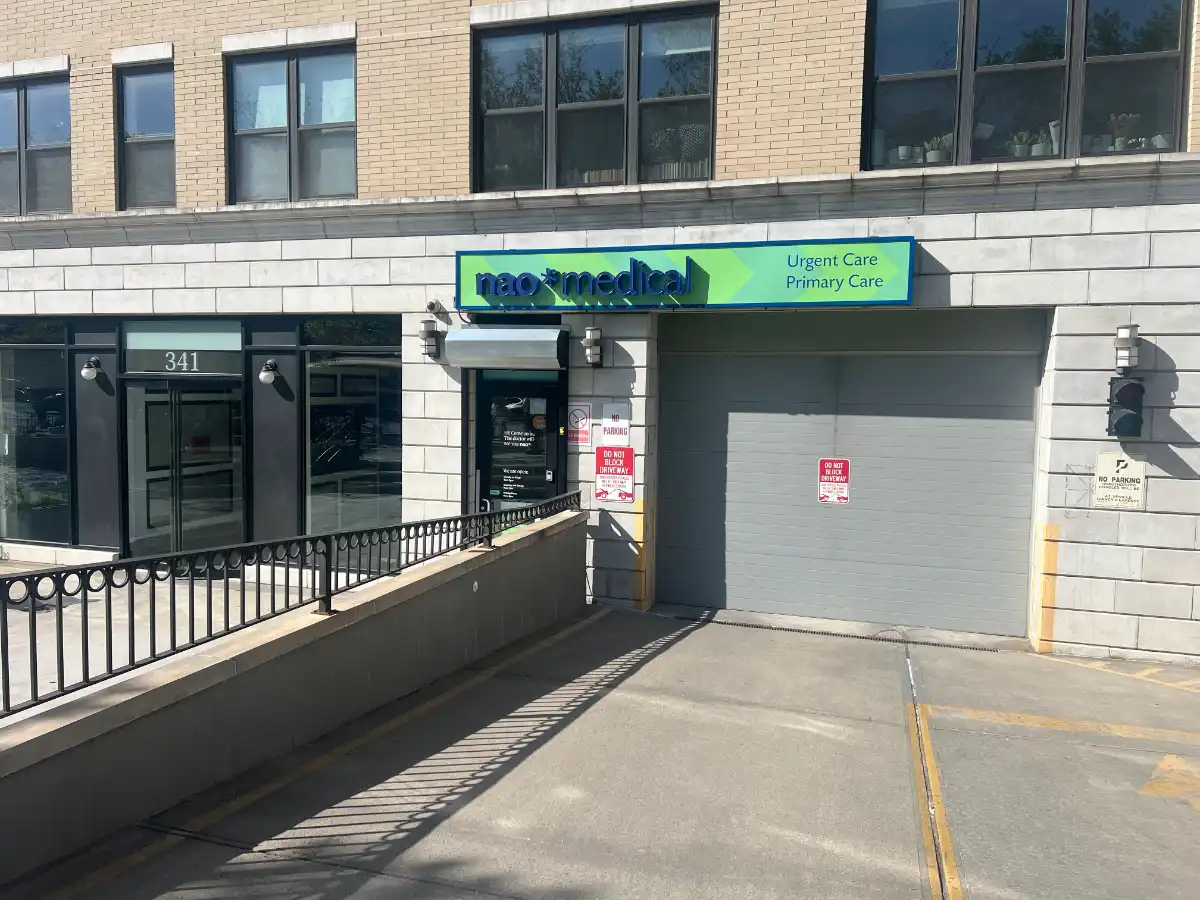
Brooklyn
341 Eastern Pkwy, Brooklyn, NY 11216
Crown Heights can help patients review addiction medicine options, insurance, counseling fit, medication needs, and local follow-up.
View addiction care details Get directions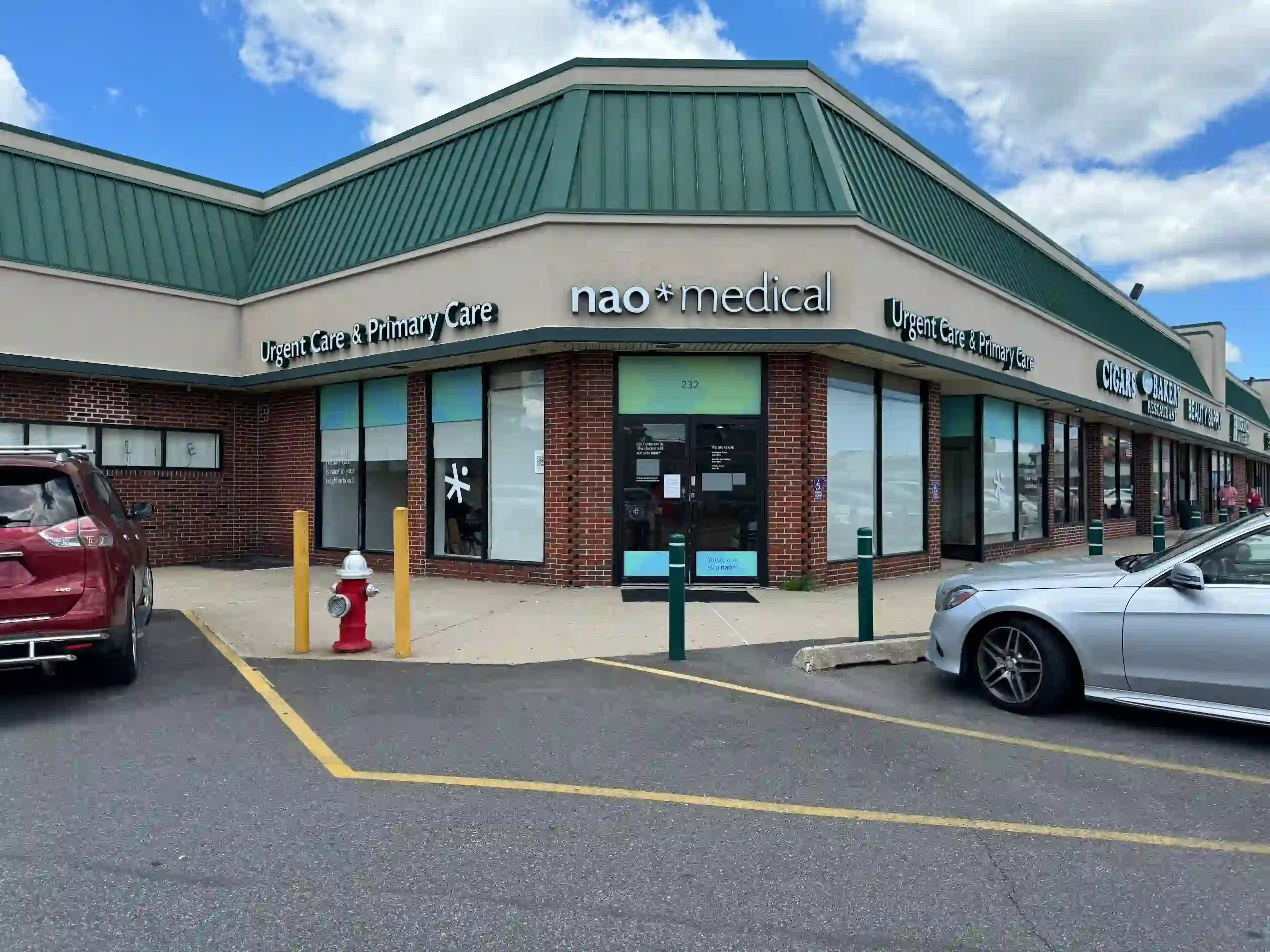
Long Island
232 W Old Country Rd, Hicksville, NY 11801
Hicksville can help patients review addiction medicine options, insurance, counseling fit, medication needs, and local follow-up.
View addiction care details Get directions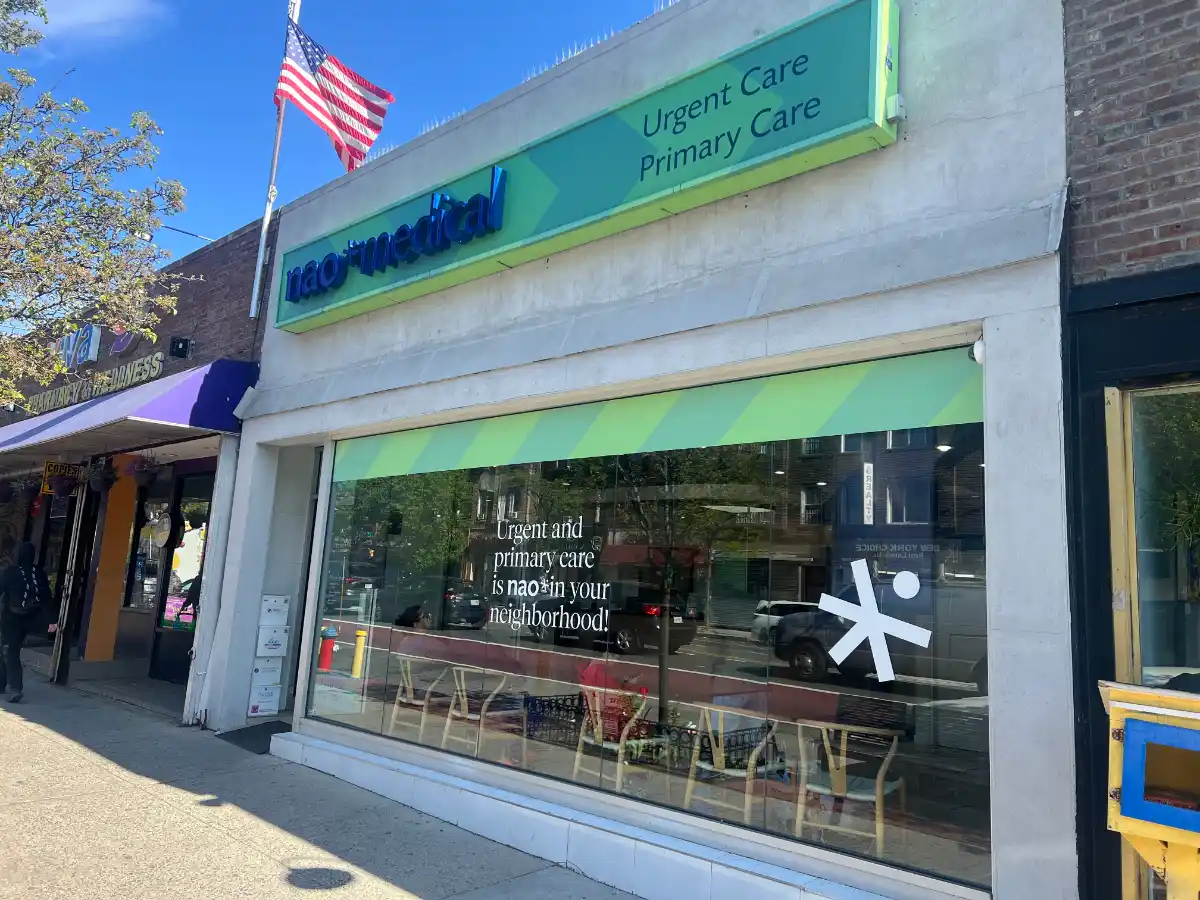
Queens
80-10 Northern Blvd, Jackson Heights, NY 11372
Jackson Heights can help patients review addiction medicine options, insurance, counseling fit, medication needs, and local follow-up.
View addiction care details Get directions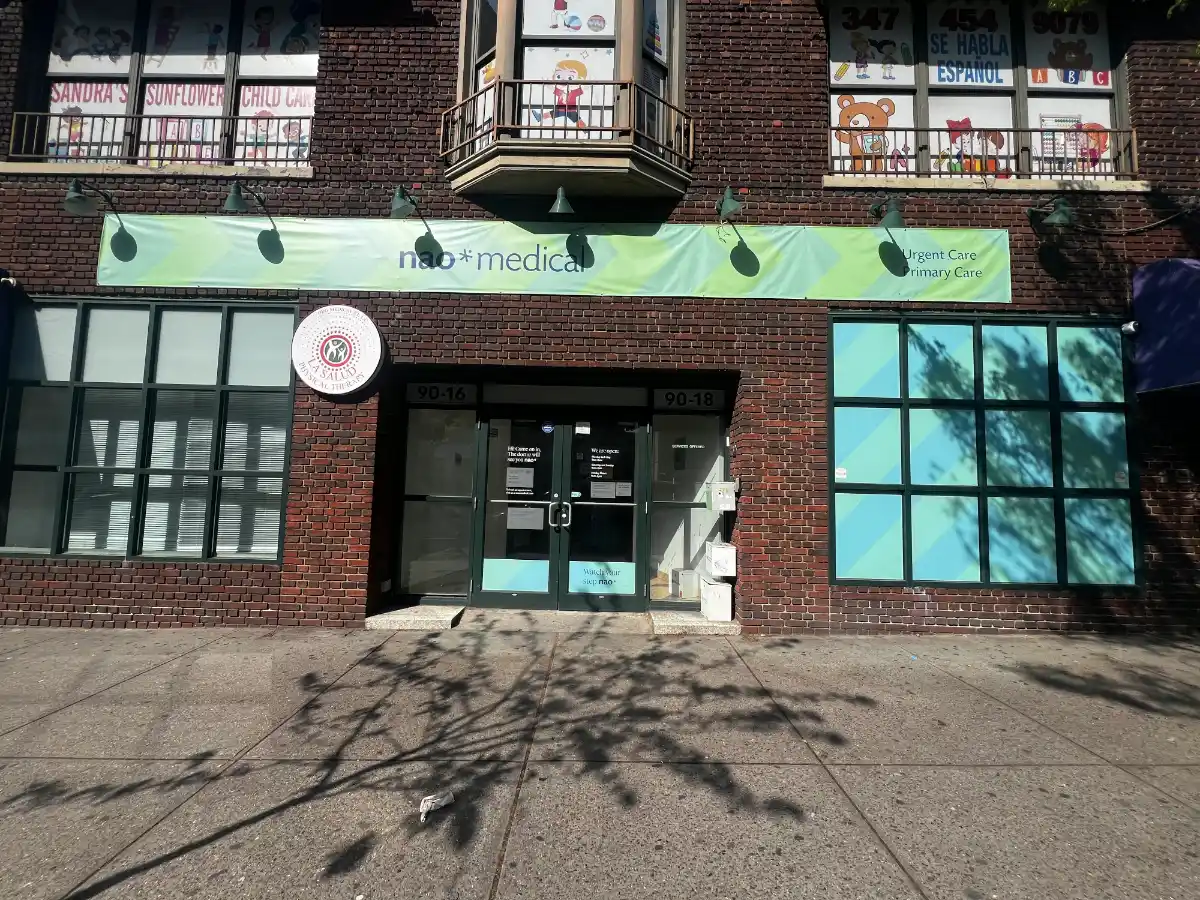
Queens
90-18 Sutphin Blvd, Jamaica, NY 11435
Jamaica can help patients review addiction medicine options, insurance, counseling fit, medication needs, and local follow-up.
View addiction care details Get directions
Queens
30-07 36th Ave, Astoria, NY 11106
Long Island City can help patients review addiction medicine options, insurance, counseling fit, medication needs, and local follow-up.
View addiction care details Get directions
Long Island
135 Mineola Blvd, Mineola, NY 11501
Mineola can help patients review addiction medicine options, insurance, counseling fit, medication needs, and local follow-up.
View addiction care details Get directions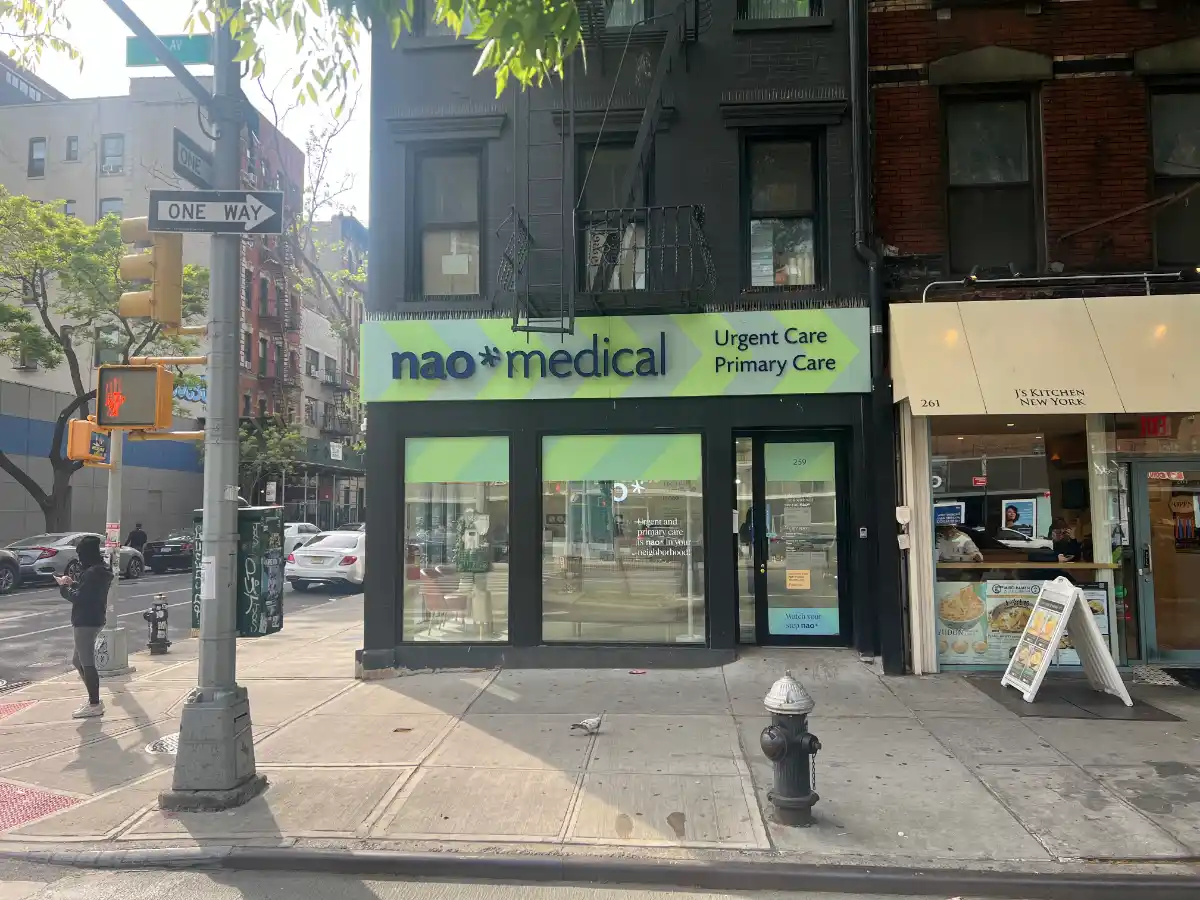
Manhattan
259 1st Ave, New York, NY 10003
StuyTown can help patients review addiction medicine options, insurance, counseling fit, medication needs, and local follow-up.
View addiction care details Get directions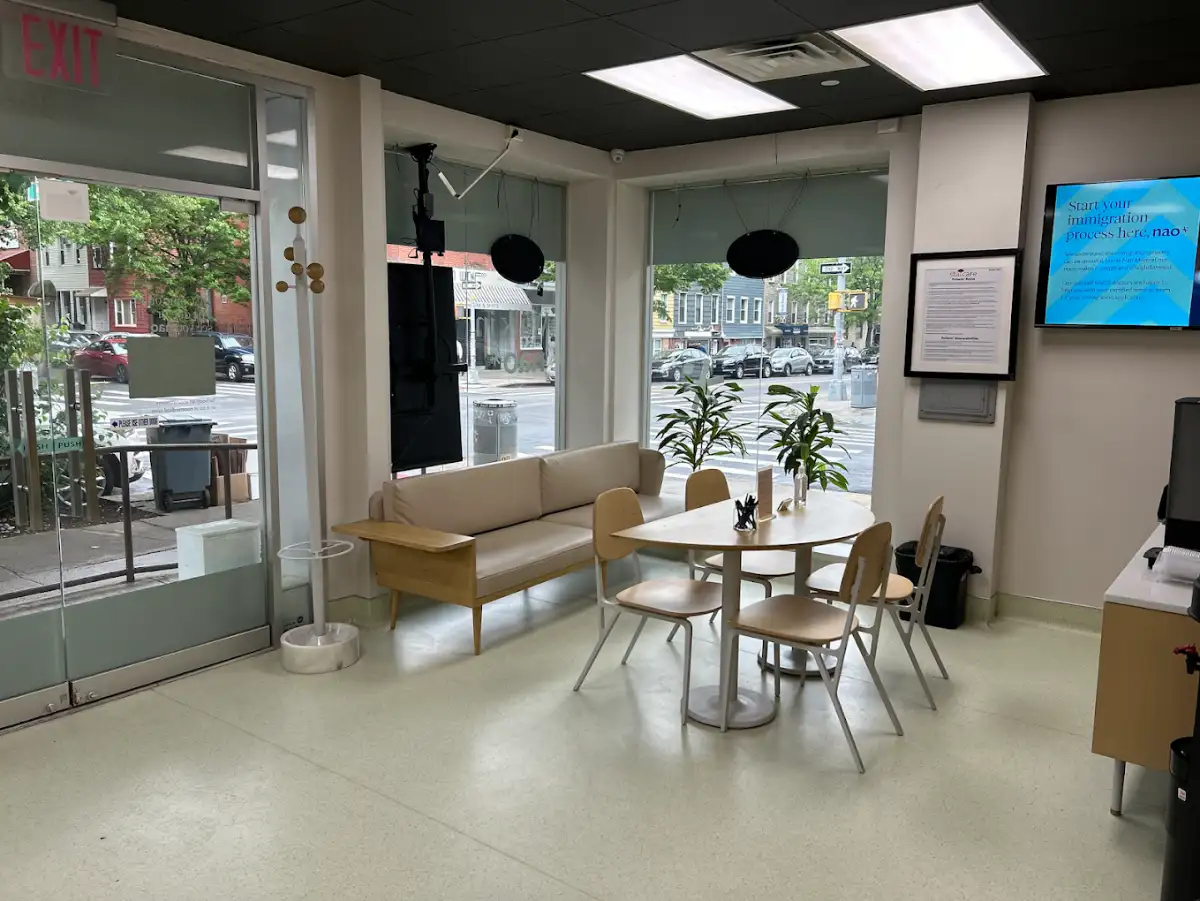
Brooklyn
308 Graham Ave, Brooklyn, NY 11211
Williamsburg can help patients review addiction medicine options, insurance, counseling fit, medication needs, and local follow-up.
View addiction care details Get directionsBook drug addiction treatment in NYC and Long Island with Nao Medical for opioid, cocaine, stimulant, cannabis, benzodiazepine, prescription medication, and polysubstance concerns.
Review cocaine addiction treatment in NYC with Nao Medical, including counseling, relapse prevention, co-occurring mental health, drug testing, insurance, and outpatient follow-up.
Book stimulant addiction treatment review in NYC for cocaine, methamphetamine, Adderall misuse, prescription stimulants, cravings, sleep problems, anxiety, and relapse prevention.
Review cannabis use disorder treatment in NYC with Nao Medical for marijuana use concerns, anxiety, sleep, school or work impact, counseling, family support, and mental-health care.
Review prescription drug addiction treatment in NYC for opioids, benzodiazepines, stimulants, sleep medications, medication misuse, withdrawal risk, insurance, and counseling.
Book heroin addiction treatment review in NYC with Nao Medical for MAT, Suboxone, buprenorphine, fentanyl exposure, naloxone, bridge visits, insurance, and local follow-up.
Review pain pill opioid addiction treatment in NYC for oxycodone, hydrocodone, Percocet, Vicodin, codeine, morphine, Suboxone, buprenorphine, and naloxone.
Review Kratom dependence treatment in NYC with Nao Medical for cravings, withdrawal symptoms, opioid overlap, mental-health concerns, counseling, safety planning, and follow-up.
Book polysubstance use treatment review in NYC for opioid, alcohol, benzodiazepine, stimulant, cannabis, prescription medication, and mixed-substance safety concerns.
Review substance use, safety, testing, documentation, treatment recommendations, insurance, and follow-up.
Review whether an OASAS-certified setting, specific credential, or written requirement may be needed.
Review court, attorney, probation, parole, agency, testing, and documentation requirements.
Review alcohol or drug-related driving requirements and what documentation or treatment may be needed.
Review medication continuity, counseling, cravings, relapse risk, and discharge instructions after detox.
Review Medicaid coverage for MAT visits, testing, counseling, medication, pharmacy benefits, and prior authorization.
Compare local outpatient addiction care access across NYC and Long Island.
Review outpatient addiction medicine when patients are comparing nearby rehab options.
Review scheduled outpatient addiction treatment, medication, counseling, testing, and follow-up.
Review urgent but non-emergency addiction medicine access and same-day limitations.
Review cost factors, insurance, Medicaid, medication, testing, and self-pay options.
Review privacy, self-pay, records release, employer, family, and third-party documentation questions.
Arrange an evaluation to discuss suitable care, preparation and follow-up with a clinician.
Nao Medical provides outpatient addiction care. The first visit can focus on the immediate clinical question and medication planning when relevant. When wanted or clinically recommended, the care plan can also include counseling, recovery support, and closer follow-up. Related information: outpatient addiction care.
Patients who want more support can add counseling, relapse-prevention work, care coordination, and recovery follow-up through the outpatient addiction program.
Coverage depends on your exact plan, clinician, location and service. Check participation and expected charges with the clinic and your insurer before booking. Review addiction-treatment insurance support
Content was updated August 2, 2026 from the cited sources and Nao Medical's current service information. Medical guidance, prescribing information, medication availability, and insurance rules can change. A licensed clinician must confirm current information and determine each patient's eligibility, testing, treatment, administration setting, and follow-up. Call 911 for a medical emergency. Contact Nao Medical with a question or correction.