Opioid addiction treatment
Review the broader MAT path for Suboxone, bridge visits, fentanyl dependence, insurance, and locations.

Heroin addiction treatment should address opioid withdrawal, fentanyl exposure risk, overdose prevention, medication for addiction treatment, testing, counseling, insurance, and a follow-up plan that is realistic to keep.
Coverage depends on your exact plan, clinician, location and service. Check participation and expected charges with the clinic and your insurer before booking.


Treatment for opioid use disorder starts with an assessment of opioid use, withdrawal, overdose risk and what you want to change. Medicines can reduce withdrawal or cravings and help protect recovery. Treatment can be appropriate after heroin, fentanyl, nonprescribed pills or problematic prescription opioid use. An evaluation is still useful if you are uncertain about the diagnosis or have returned to use after earlier treatment.
Buprenorphine and methadone activate opioid receptors in controlled ways; naltrexone blocks them and requires an opioid-free starting point. They have different entry requirements and do not offer an identical experience. Naloxone reverses an opioid overdose but is not ongoing OUD treatment. Withdrawal management by itself does not resolve the longer-term risk of relapse and overdose.
The clinician reviews frequency and route of use, loss of control, consequences, tolerance and withdrawal, while distinguishing prescribed use and physical dependence from OUD. Pregnancy, severe symptoms, intoxication, other substance use and health conditions affect the safest setting. Bring any current OUD prescription: transferring care does not necessarily mean starting over, but records and an assessment are needed.
Describe the last opioid use, uncertain pill contents, prior overdoses and current symptoms. Include alcohol, sedatives, stimulants and pain treatment. The clinician assesses whether an outpatient plan is safe or whether urgent, hospital or another level of care is needed. An overdose or unstable condition should not wait for an ordinary clinic appointment.
Compare buprenorphine, methadone and naltrexone against your clinical needs and preferences. Buprenorphine initiation needs a safe plan after recent opioid exposure. Methadone for OUD generally requires an opioid treatment program. Naltrexone requires detoxification and opioid-free assessment. A clinic should help with a suitable referral when the chosen treatment is outside its verified services.
Clarify formulation, pharmacy or injection logistics, return visits, monitoring and whom to call for access problems. Address pain and mental-health treatment at the same time. Discuss counseling, recovery support and barriers such as transportation, housing or work hours without assuming one service can provide every resource.
Have naloxone and an overdose-response plan. Identify what to do after missed medication, renewed use or hospital discharge. A return to use needs reassessment of symptoms, dose coverage and other risks; it should not be hidden because you fear the visit will be wasted.
Bring identification if required for registration, a medication list, pharmacy details, recent treatment records and relevant insurance information. Tell the clinician if you are nearly out of medication or cannot obtain it. Ask how the first prescription or injection is arranged and what follow-up is required. Do not take borrowed treatment or create an opioid-free interval without advice to prepare for the visit.
Call 911 for possible overdose, slow breathing, unresponsiveness, severe chest pain or collapse. Use available naloxone for suspected opioid overdose and follow the product instructions. Alcohol and sedatives can sharply increase risk with opioids or OUD medicines. After a period without opioids, tolerance can be lower, making return to previous use especially dangerous. Pregnancy, dehydration or uncontrolled withdrawal can require urgent assessment.
Ongoing visits review withdrawal, craving patterns, substance use, function and medication effects. Testing, when clinically appropriate, should help interpret the treatment picture; it is not a complete diagnosis by itself. Discuss whether the plan needs more support, a different formulation or another treatment setting. Effective medication may continue for a long time. Stopping requires a plan for relapse prevention and overdose safety.
Ask what the service actually provides: evaluation, ongoing prescribing, injections, counseling or referral. Confirm the specific location, appointment availability, fees and pharmacy or payer requirements. Same-day availability depends on assessment, the intended service and supply. If the requested medicine is unavailable, ask for a safe interim or referral plan rather than waiting without a next step.
Nao Medical offers addiction-care assessment and ongoing support. A visit reviews the concern you want help with, current substance use, withdrawal or overdose risks, mental health and earlier treatment. The plan may include appropriate medicines, counseling, follow-up or referral to a more intensive program. Choose an addiction-care appointment and tell the team about any urgent withdrawal or safety concern. Outpatient care cannot replace emergency treatment or monitored withdrawal when those are needed.
Suboxone combines buprenorphine and naloxone to treat opioid use disorder. The medicine dissolves under the tongue or, for some prescribed uses of the film, inside the cheek. It can reduce withdrawal and cravings while you work on a longer-term treatment plan. The first clinical task is to choose a safe way to start or continue medication, including how to prevent a gap at the pharmacy.
The clinician reviews OUD symptoms, current opioid exposure, past buprenorphine response, pregnancy, liver health, other medicines and overdose history. A standard start relies on assessed withdrawal to reduce the risk of precipitated withdrawal. Fentanyl and long-acting opioids can complicate timing. An existing prescription does not replace a current assessment, and an arbitrary clock interval from a forum cannot establish when a first dose is safe.
Describe the substance or prescribed opioid, last use, current symptoms, daily medicine and recent gaps. Include alcohol, sedatives and nonprescribed pills. Tell the clinician if your main concern is a refill interruption, a first start, uncontrolled cravings, pain or a change from another treatment.
The prescriber chooses the product, timing and instructions. Ask how to reach the team if symptoms worsen and when the first check-in will happen. Different buprenorphine products may have different absorption and administration instructions, so a brand change may require dose review.
Review how the prescribed film or tablet dissolves and when food or drink can be used. Do not chew or swallow it as an ordinary tablet. Once it has completely dissolved, gently rinse your teeth and gums with water and swallow the rinse. Wait at least one hour before brushing.
Agree on refill responsibilities, follow-up visits, pharmacy coordination and any testing that will guide care. Discuss naloxone access, safe storage, mental-health needs and counseling you would find useful. Tell the prescriber about a return to opioid use so the plan can be adjusted.
Possible overdose is an emergency. Call 911 and use available naloxone. Do not wait for an appointment, insurance confirmation or a prescription. Naloxone may cause sudden withdrawal in a person dependent on opioids, but saving breathing takes priority. Emergency monitoring is required even after an apparent response. It does not make high-risk opioid or sedative combinations safe.
Ask a pharmacist or clinician about OTC and other local access pathways. Confirm the specific device, expiration and storage instructions. Keep it somewhere that the people likely to help can find it promptly. Do not assume instructions for one nasal spray or injectable product match every product.
A person who cannot be awakened or has slow, shallow or absent breathing may be having an overdose. Other signs can include choking or gurgling sounds and discolored lips or nails. If uncertain but an opioid overdose is possible, respond promptly rather than waiting for proof of what was taken.
Administer available naloxone according to the product instructions and call 911. Tell the dispatcher what is happening and follow instructions for breathing support or CPR. More naloxone may be needed, especially with fentanyl. Repeat according to the product directions and emergency guidance.
Stay with the person until help arrives. Breathing problems can return after apparent improvement because naloxone may wear off. Do not assume that waking up means emergency care is unnecessary. Once immediate safety is addressed, discuss treatment, access barriers and another naloxone supply.
Have your insurance card ready when booking. Share member details through the clinic’s confirmed secure intake process. Check with the clinic and your insurer that the exact plan covers the clinician and requested service. Ask about visit charges, any separately billed tests or medicines, and any referral or authorization requirement. Coverage and your copay or deductible depend on the plan; request a written estimate if paying yourself.
Heroin is a rapidly acting opioid with high addictive potential. Repeated use can produce physical dependence, withdrawal and strong urges, and use may continue despite harm. There is no safe number of uses or timeline that predicts whether a person will develop a disorder. Unknown mixtures, including fentanyl, also increase overdose risk. Opioid use disorder can be treated with medication and other support; seeking an assessment does not require stopping on your own first.
No. Appearance cannot diagnose opioid use disorder. A clinical assessment reviews the use pattern, control, consequences and health history. Concern should lead to a respectful conversation and an offer of help, rather than a stereotype. Slow breathing or inability to wake is a possible overdose: call 911 and use available naloxone according to its instructions.
Both can lead to strong dependence and difficulty stopping, but a single ranking does not predict an individual’s experience. Heroin is a highly addictive opioid with immediate overdose risk. Nicotine dependence has its own withdrawal and treatment needs. Do not use a comparison to judge either substance as safe. A clinician can help choose substance-specific treatment, including OUD medicines or smoking-cessation support.
Review the broader MAT path for Suboxone, bridge visits, fentanyl dependence, insurance, and locations.
Fentanyl exposure can make withdrawal timing and medication starts more nuanced.
Same-day access may help with urgent but non-emergency evaluation and next-step planning.
Naloxone and safety planning matter for heroin, fentanyl, and prescription opioid risk.
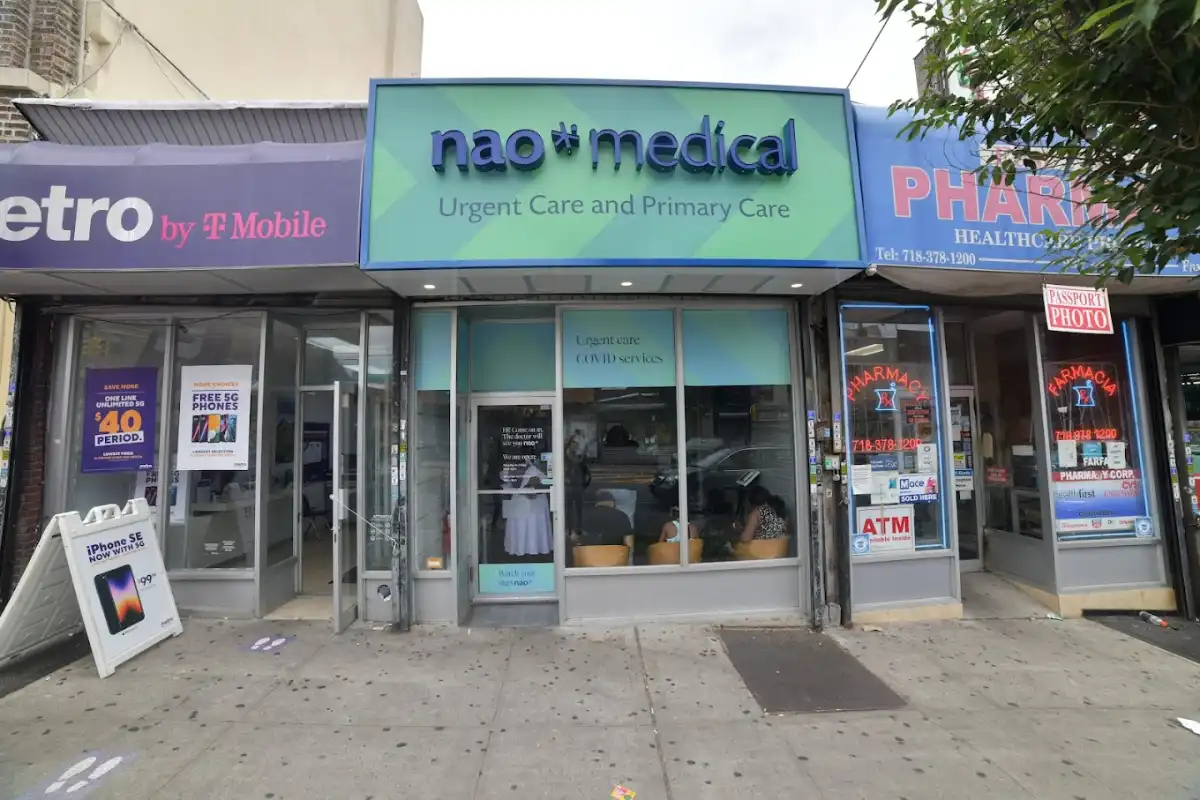
Bronx
932 E 174th St, Bronx, NY 10460
174th Street can help patients review addiction medicine options, insurance, counseling fit, medication needs, and local follow-up.
View addiction care details Get directions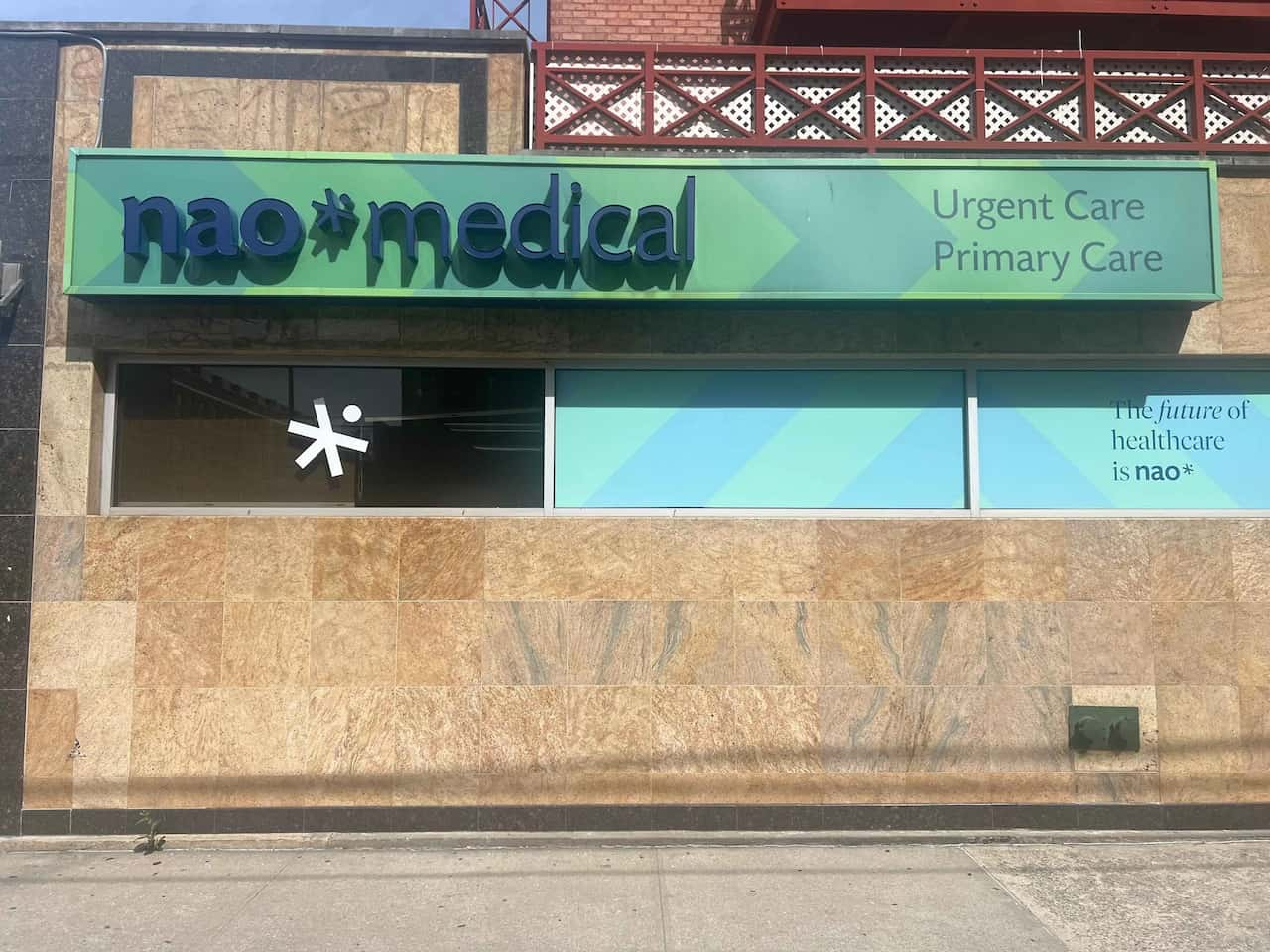
Queens
37-15 23rd Ave, Astoria, NY 11105
Astoria can help patients review addiction medicine options, insurance, counseling fit, medication needs, and local follow-up.
View addiction care details Get directions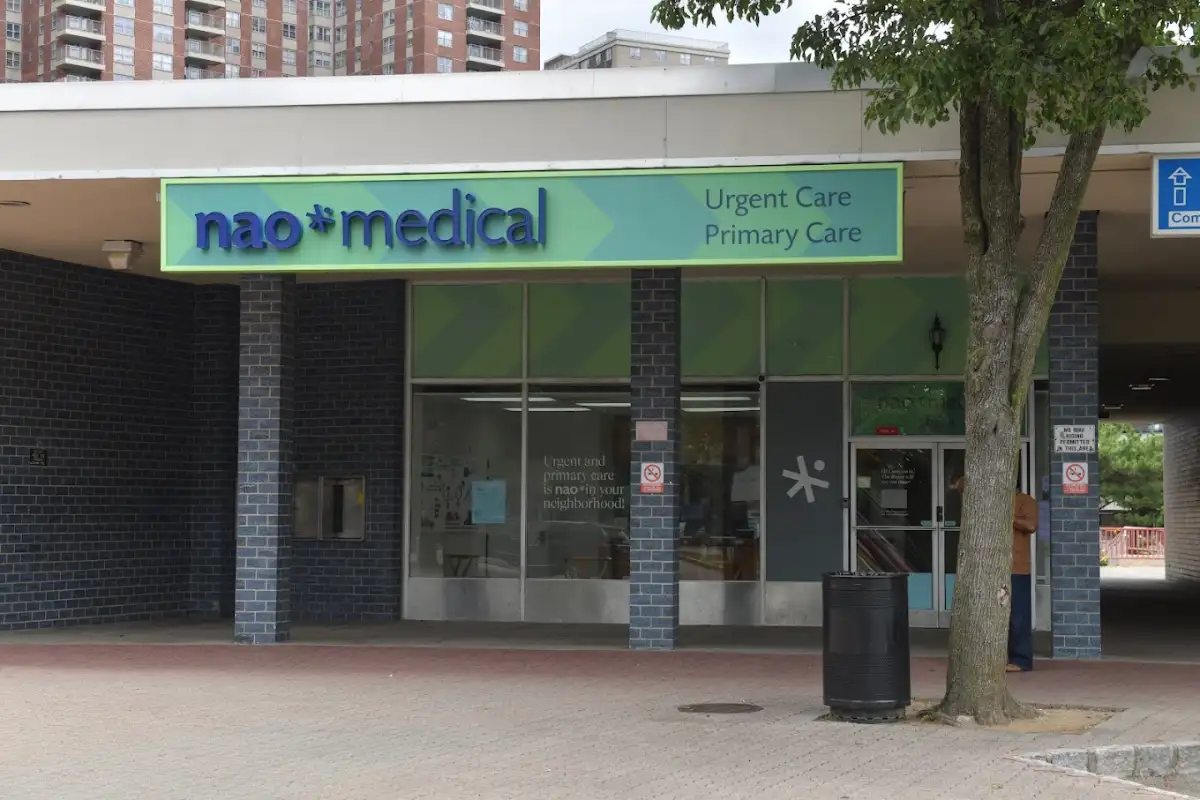
Bronx
2063A Bartow Ave, Bronx, NY 10475
Bartow Mall can help patients review addiction medicine options, insurance, counseling fit, medication needs, and local follow-up.
View addiction care details Get directions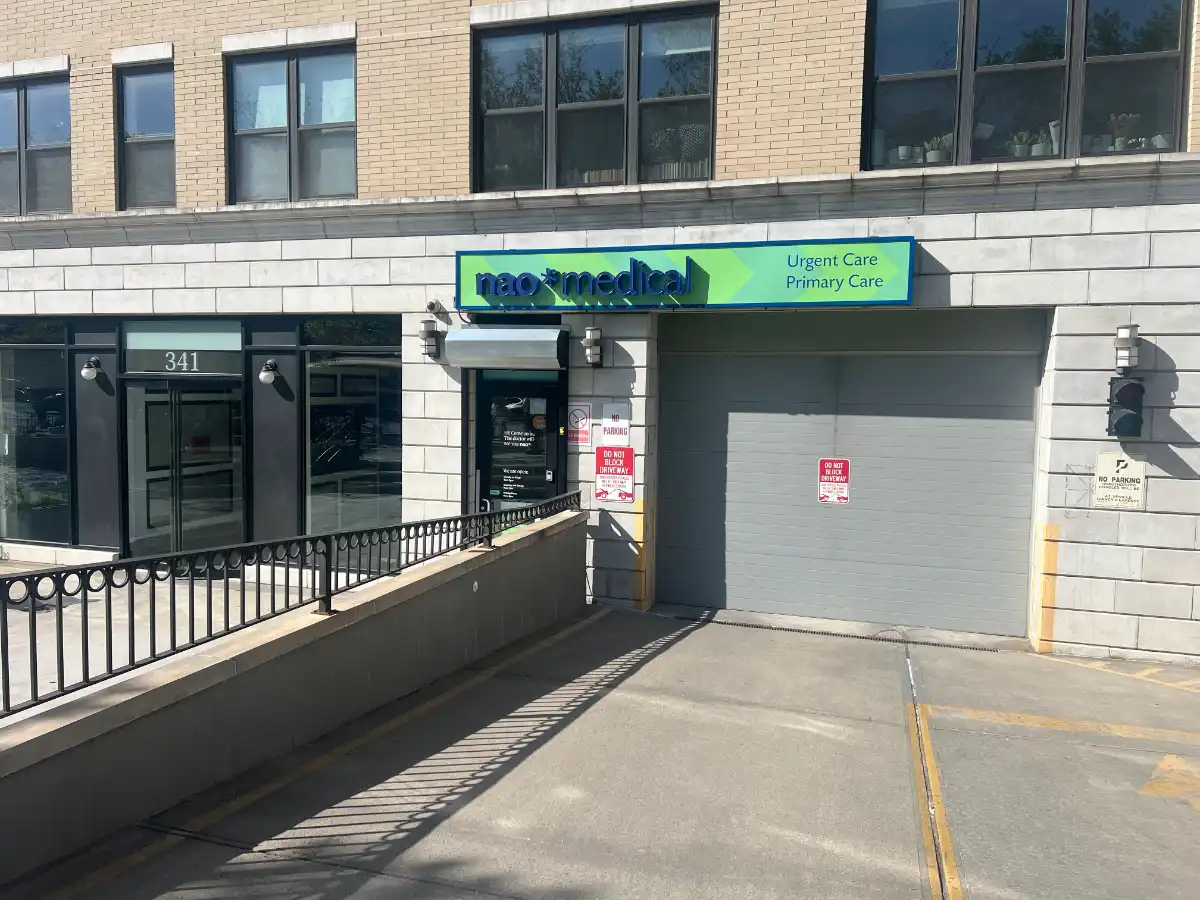
Brooklyn
341 Eastern Pkwy, Brooklyn, NY 11216
Crown Heights can help patients review addiction medicine options, insurance, counseling fit, medication needs, and local follow-up.
View addiction care details Get directions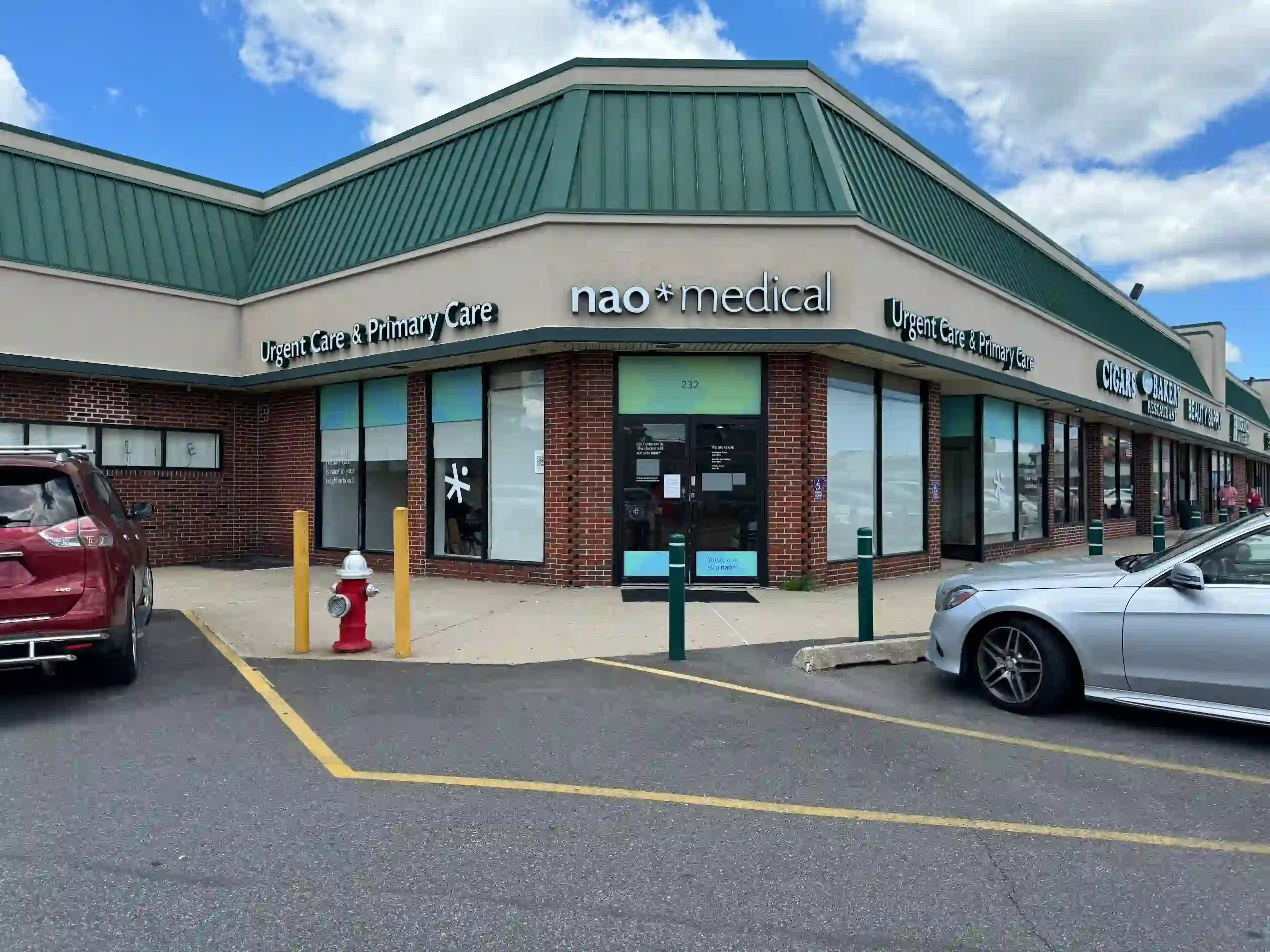
Long Island
232 W Old Country Rd, Hicksville, NY 11801
Hicksville can help patients review addiction medicine options, insurance, counseling fit, medication needs, and local follow-up.
View addiction care details Get directions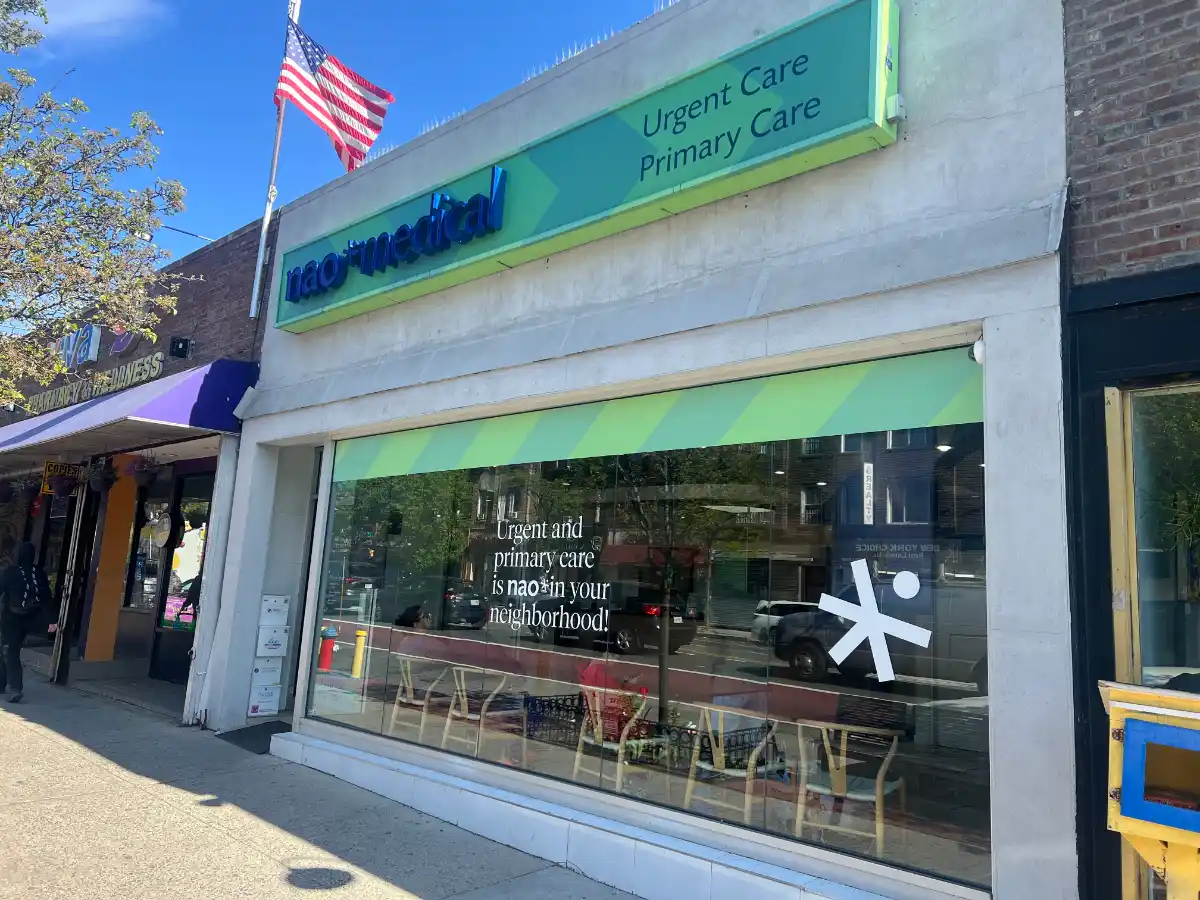
Queens
80-10 Northern Blvd, Jackson Heights, NY 11372
Jackson Heights can help patients review addiction medicine options, insurance, counseling fit, medication needs, and local follow-up.
View addiction care details Get directions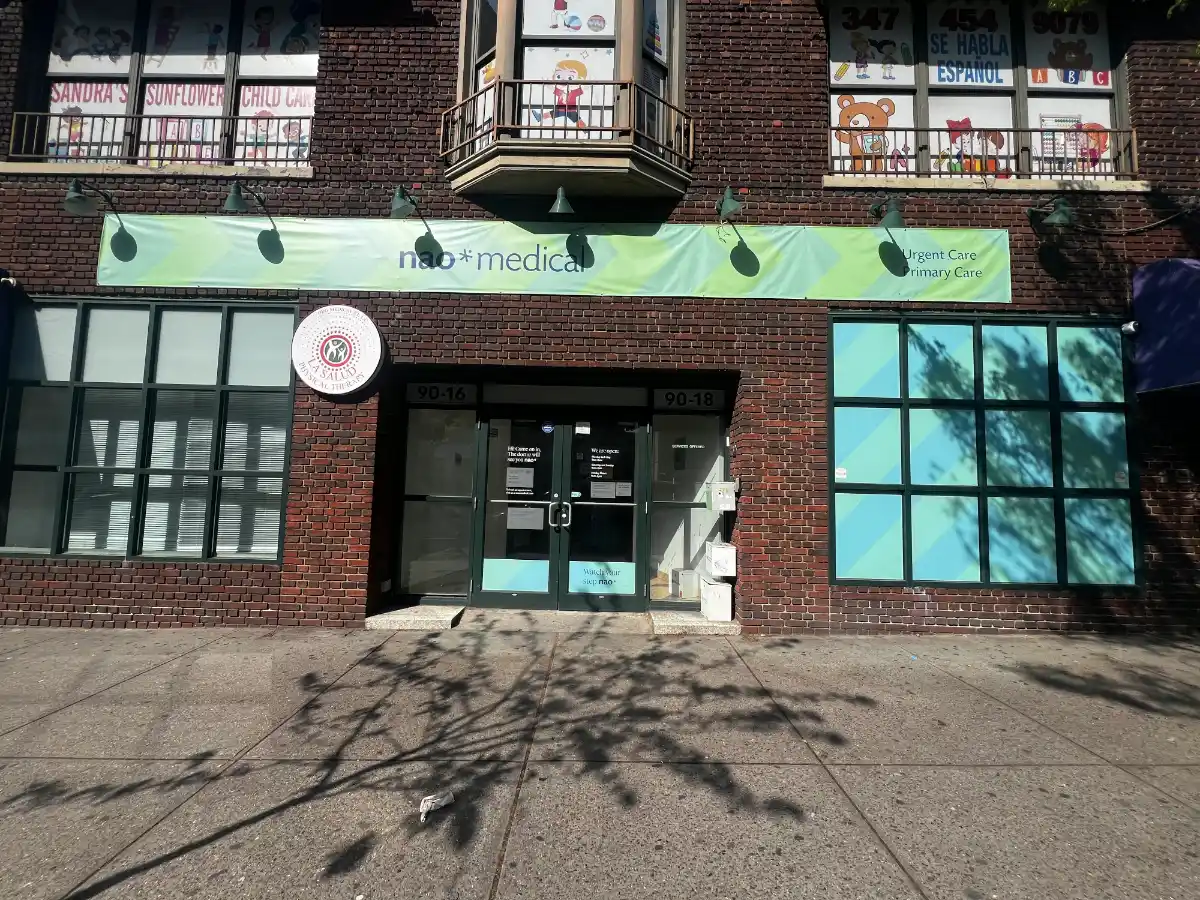
Queens
90-18 Sutphin Blvd, Jamaica, NY 11435
Jamaica can help patients review addiction medicine options, insurance, counseling fit, medication needs, and local follow-up.
View addiction care details Get directions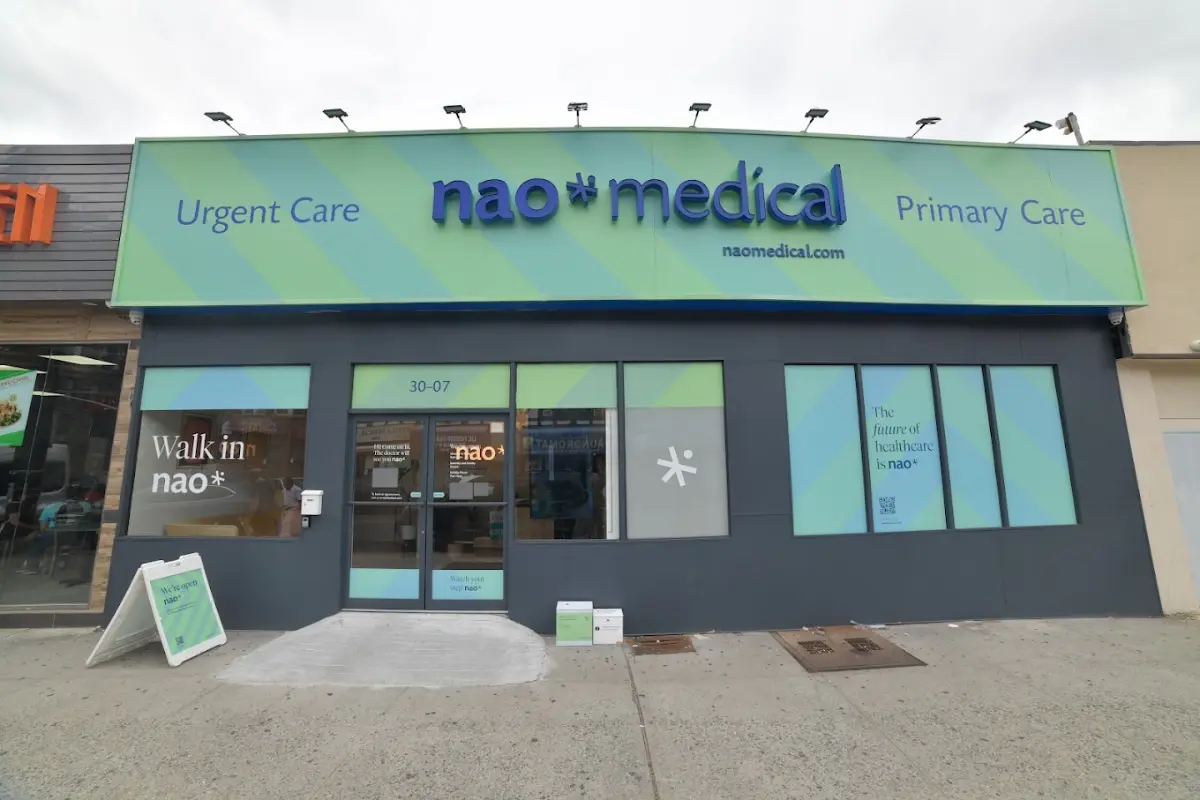
Queens
30-07 36th Ave, Astoria, NY 11106
Long Island City can help patients review addiction medicine options, insurance, counseling fit, medication needs, and local follow-up.
View addiction care details Get directions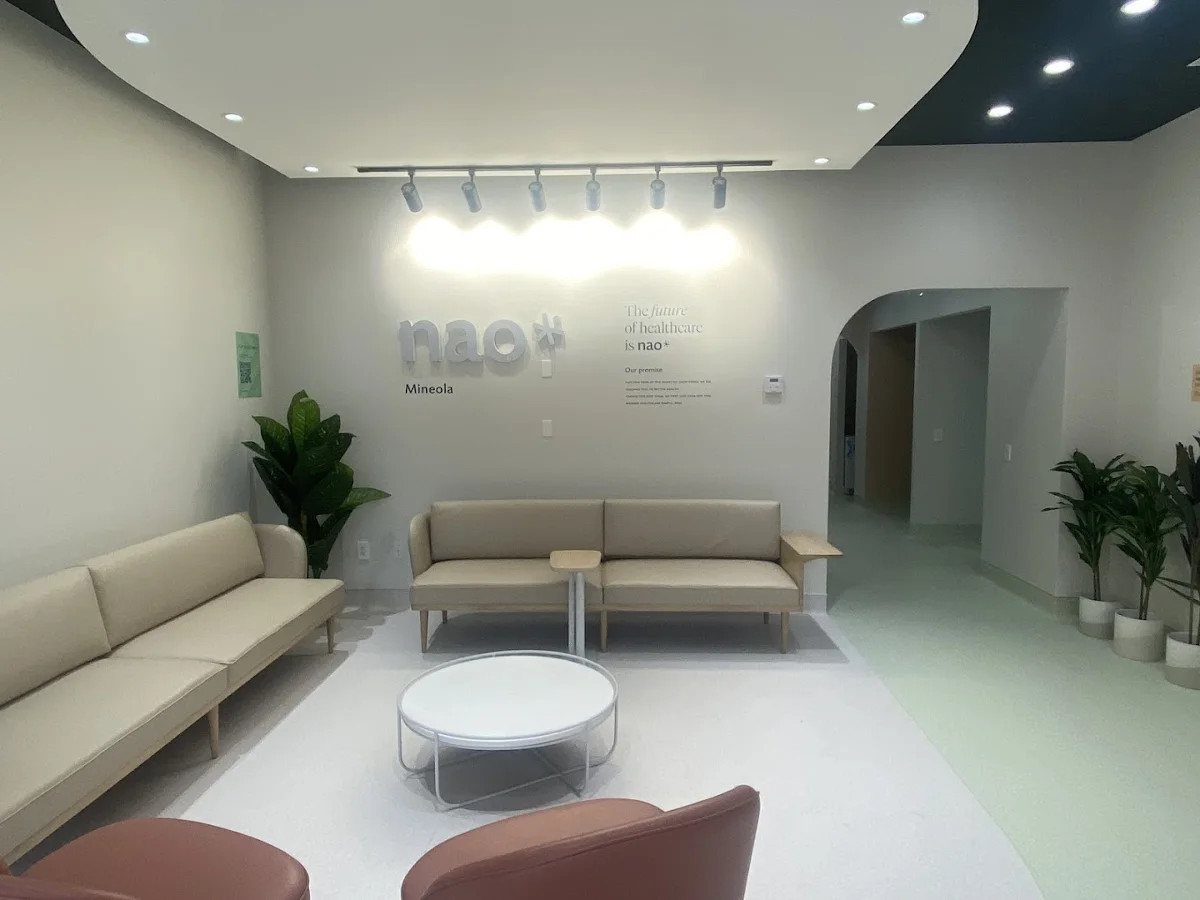
Long Island
135 Mineola Blvd, Mineola, NY 11501
Mineola can help patients review addiction medicine options, insurance, counseling fit, medication needs, and local follow-up.
View addiction care details Get directions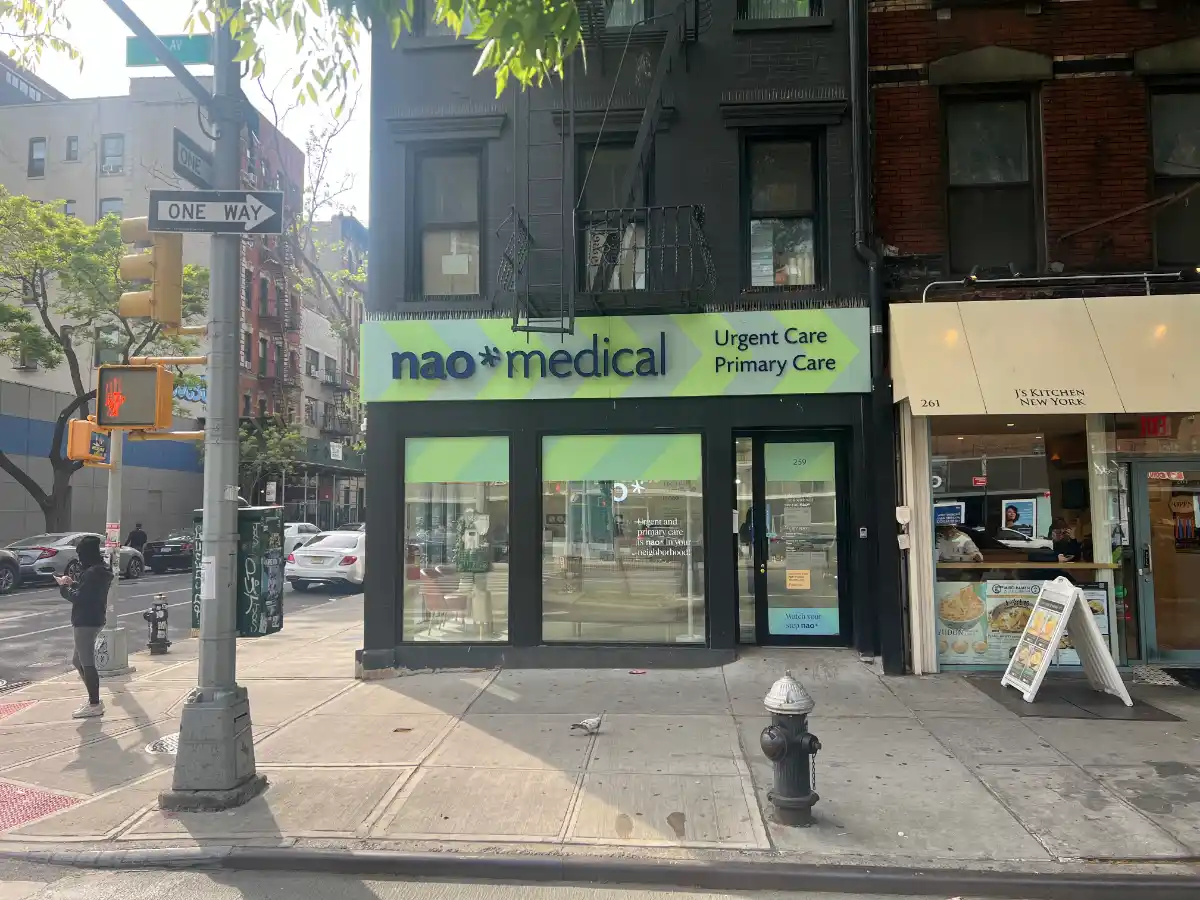
Manhattan
259 1st Ave, New York, NY 10003
StuyTown can help patients review addiction medicine options, insurance, counseling fit, medication needs, and local follow-up.
View addiction care details Get directions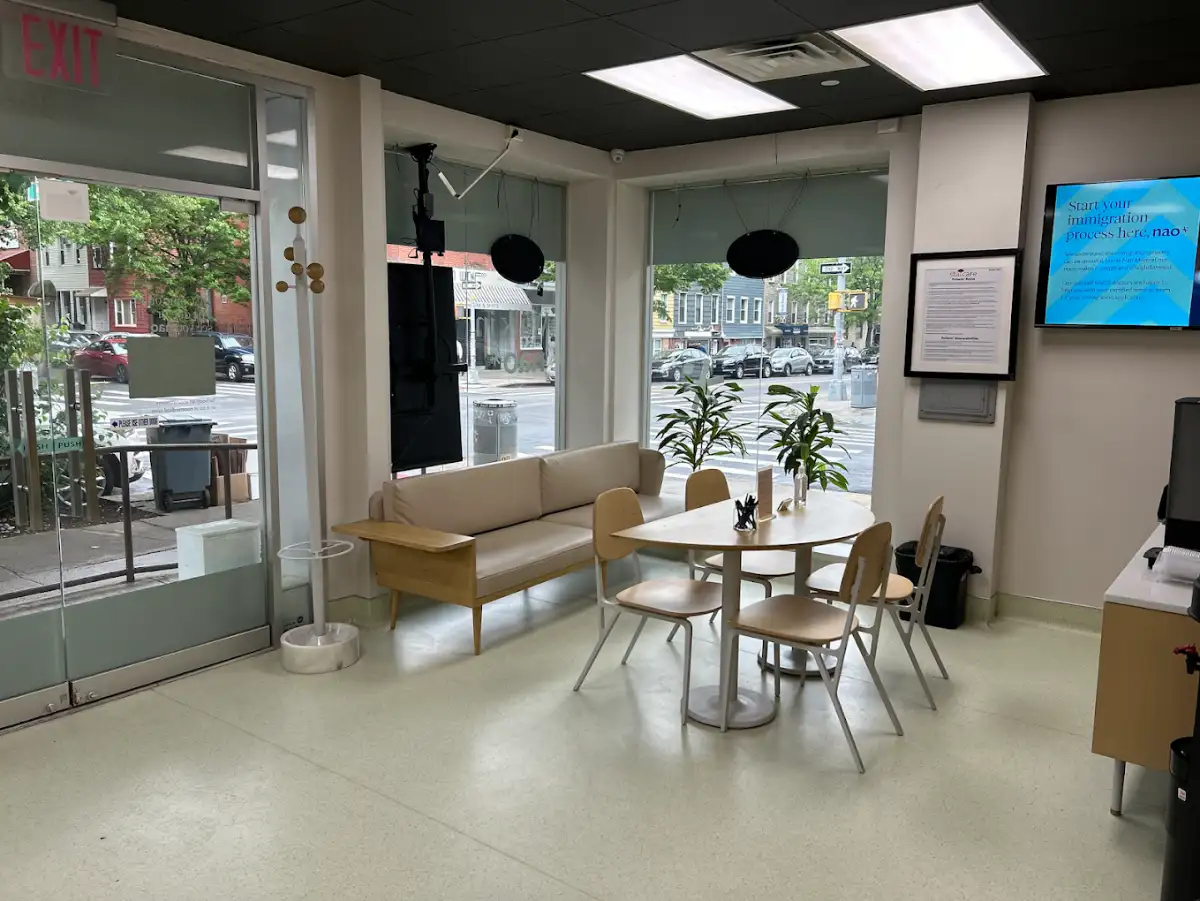
Brooklyn
308 Graham Ave, Brooklyn, NY 11211
Williamsburg can help patients review addiction medicine options, insurance, counseling fit, medication needs, and local follow-up.
View addiction care details Get directionsBook drug addiction treatment in NYC and Long Island with Nao Medical for opioid, cocaine, stimulant, cannabis, benzodiazepine, prescription medication, and polysubstance concerns.
Review cocaine addiction treatment in NYC with Nao Medical, including counseling, relapse prevention, co-occurring mental health, drug testing, insurance, and outpatient follow-up.
Book stimulant addiction treatment review in NYC for cocaine, methamphetamine, Adderall misuse, prescription stimulants, cravings, sleep problems, anxiety, and relapse prevention.
Review cannabis use disorder treatment in NYC with Nao Medical for marijuana use concerns, anxiety, sleep, school or work impact, counseling, family support, and mental-health care.
Review benzodiazepine addiction treatment in NYC for Xanax, Klonopin, Ativan, Valium, withdrawal safety, anxiety, sleep, medication review, and referral needs.
Review prescription drug addiction treatment in NYC for opioids, benzodiazepines, stimulants, sleep medications, medication misuse, withdrawal risk, insurance, and counseling.
Review pain pill opioid addiction treatment in NYC for oxycodone, hydrocodone, Percocet, Vicodin, codeine, morphine, Suboxone, buprenorphine, and naloxone.
Review Kratom dependence treatment in NYC with Nao Medical for cravings, withdrawal symptoms, opioid overlap, mental-health concerns, counseling, safety planning, and follow-up.
Book polysubstance use treatment review in NYC for opioid, alcohol, benzodiazepine, stimulant, cannabis, prescription medication, and mixed-substance safety concerns.
Review substance use, safety, testing, documentation, treatment recommendations, insurance, and follow-up.
Review whether an OASAS-certified setting, specific credential, or written requirement may be needed.
Review court, attorney, probation, parole, agency, testing, and documentation requirements.
Review alcohol or drug-related driving requirements and what documentation or treatment may be needed.
Review medication continuity, counseling, cravings, relapse risk, and discharge instructions after detox.
Review Medicaid coverage for MAT visits, testing, counseling, medication, pharmacy benefits, and prior authorization.
Compare local outpatient addiction care access across NYC and Long Island.
Review outpatient addiction medicine when patients are comparing nearby rehab options.
Review scheduled outpatient addiction treatment, medication, counseling, testing, and follow-up.
Review urgent but non-emergency addiction medicine access and same-day limitations.
Review cost factors, insurance, Medicaid, medication, testing, and self-pay options.
Review privacy, self-pay, records release, employer, family, and third-party documentation questions.
Arrange an evaluation to discuss suitable care, preparation and follow-up with a clinician.
Nao Medical provides outpatient addiction care. The first visit can focus on the immediate clinical question and medication planning when relevant. When wanted or clinically recommended, the care plan can also include counseling, recovery support, and closer follow-up. Related information: outpatient addiction care.
Patients who want more support can add counseling, relapse-prevention work, care coordination, and recovery follow-up through the outpatient addiction program.
Coverage depends on your exact plan, clinician, location and service. Check participation and expected charges with the clinic and your insurer before booking. Review addiction-treatment insurance support
Content was updated August 2, 2026 from the cited sources and Nao Medical's current service information. Medical guidance, prescribing information, medication availability, and insurance rules can change. A licensed clinician must confirm current information and determine each patient's eligibility, testing, treatment, administration setting, and follow-up. Call 911 for a medical emergency. Contact Nao Medical with a question or correction.