Naloxone prescription
Review naloxone access, family safety planning, and opioid overdose risk.

Naloxone can reverse an opioid overdose when given in time. A prevention-focused visit can review overdose risk, opioid or fentanyl exposure, sedative or alcohol use, family safety planning, medication treatment, and follow-up.
Coverage depends on your exact plan, clinician, location and service. Check participation and expected charges with the clinic and your insurer before booking.


Naloxone is a medicine that can reverse an opioid overdose. People who use opioids, take OUD medication or may be around someone at risk should discuss access and learn how to respond. You can also obtain over-the-counter naloxone products without waiting for a clinic appointment. The specific product and dispensing pathway determine whether a prescription is needed.
Naloxone blocks opioid effects and can restore breathing during an opioid overdose. Its effects can wear off before those of the opioid, so emergency assessment is still needed. It does not provide ongoing OUD treatment or directly treat stimulant toxicity. It can be useful when fentanyl is mixed with cocaine, methamphetamine or an unknown pill because an opioid overdose may occur without the person expecting opioid exposure.
Discuss naloxone if opioids are used or prescribed, there is a previous overdose, multiple sedating substances are involved, or opioid tolerance may have fallen. Risk can increase after time without use, discharge, a treatment gap or stopping naltrexone. Family, friends and other people who may witness an overdose can also learn the response. The right product and instructions should be reviewed before an emergency.
Ask a pharmacist or clinician about OTC and other local access pathways. Confirm the specific device, expiration and storage instructions. Keep it somewhere that the people likely to help can find it promptly. Do not assume instructions for one nasal spray or injectable product match every product.
A person who cannot be awakened or has slow, shallow or absent breathing may be having an overdose. Other signs can include choking or gurgling sounds and discolored lips or nails. If uncertain but an opioid overdose is possible, respond promptly rather than waiting for proof of what was taken.
Administer available naloxone according to the product instructions and call 911. Tell the dispatcher what is happening and follow instructions for breathing support or CPR. More naloxone may be needed, especially with fentanyl. Repeat according to the product directions and emergency guidance.
Stay with the person until help arrives. Breathing problems can return after apparent improvement because naloxone may wear off. Do not assume that waking up means emergency care is unnecessary. Once immediate safety is addressed, discuss treatment, access barriers and another naloxone supply.
Review the device with a pharmacist or healthcare professional and share the plan with trusted people. Check that they know where it is stored. Replace expired, used or damaged products as appropriate. If you live alone, discuss practical ways to reduce overdose risk; carrying naloxone does not guarantee that you can administer it to yourself during unconsciousness.
Possible overdose is an emergency. Call 911 and use available naloxone. Do not wait for an appointment, insurance confirmation or a prescription. Naloxone may cause sudden withdrawal in a person dependent on opioids, but saving breathing takes priority. Emergency monitoring is required even after an apparent response. It does not make high-risk opioid or sedative combinations safe.
After any overdose, obtain medical assessment and review the treatment plan. Discuss what led to the exposure, whether OUD medication is needed or interrupted, and how another supply of naloxone will be obtained. Review lower tolerance and risk after a period without opioids. A naloxone visit should connect to ongoing care when wanted and clinically appropriate, while keeping emergency access straightforward.
Ask a pharmacist about OTC availability or other dispensing pathways and what the actual product costs or coverage may be. Local programs may also provide naloxone, but their availability needs confirmation. Confirm whether the specific service has naloxone available and what it costs. If the clinic does not have it, ask about another verified access source; do not delay responding to an overdose.
Naloxone is a medicine that can reverse an opioid overdose. People who use opioids, take OUD medication or may be around someone at risk should discuss access and learn how to respond. You can also obtain over-the-counter naloxone products without waiting for a clinic appointment. The specific product and dispensing pathway determine whether a prescription is needed.
Naloxone blocks opioid effects and can restore breathing during an opioid overdose. Its effects can wear off before those of the opioid, so emergency assessment is still needed. It does not provide ongoing OUD treatment or directly treat stimulant toxicity. It can be useful when fentanyl is mixed with cocaine, methamphetamine or an unknown pill because an opioid overdose may occur without the person expecting opioid exposure.
Discuss naloxone if opioids are used or prescribed, there is a previous overdose, multiple sedating substances are involved, or opioid tolerance may have fallen. Risk can increase after time without use, discharge, a treatment gap or stopping naltrexone. Family, friends and other people who may witness an overdose can also learn the response. The right product and instructions should be reviewed before an emergency.
Discuss naloxone if opioids are used or prescribed, there is a previous overdose, multiple sedating substances are involved, or opioid tolerance may have fallen. Risk can increase after time without use, discharge, a treatment gap or stopping naltrexone. Family, friends and other people who may witness an overdose can also learn the response. The right product and instructions should be reviewed before an emergency.
Ask a pharmacist or clinician about OTC and other local access pathways. Confirm the specific device, expiration and storage instructions. Keep it somewhere that the people likely to help can find it promptly. Do not assume instructions for one nasal spray or injectable product match every product.
Administer available naloxone according to the product instructions and call 911. Tell the dispatcher what is happening and follow instructions for breathing support or CPR. More naloxone may be needed, especially with fentanyl. Repeat according to the product directions and emergency guidance.
Stay with the person until help arrives. Breathing problems can return after apparent improvement because naloxone may wear off. Do not assume that waking up means emergency care is unnecessary. Once immediate safety is addressed, discuss treatment, access barriers and another naloxone supply.
Naloxone blocks opioid effects and can restore breathing during an opioid overdose. Its effects can wear off before those of the opioid, so emergency assessment is still needed. It does not provide ongoing OUD treatment or directly treat stimulant toxicity. It can be useful when fentanyl is mixed with cocaine, methamphetamine or an unknown pill because an opioid overdose may occur without the person expecting opioid exposure.
Buprenorphine and methadone activate opioid receptors in controlled ways. Naltrexone blocks them and requires an opioid-free starting point. They have different entry requirements and do not offer an identical experience. Naloxone reverses an opioid overdose but is not ongoing OUD treatment. Withdrawal management by itself does not resolve the longer-term risk of relapse and overdose.
Call 911 for suspected overdose, slow breathing, inability to wake, a seizure, severe confusion or immediate danger. Give available naloxone for a suspected opioid overdose and stay with the person while emergency help is called. Emotional distress without immediate medical danger also warrants prompt crisis support and a safety assessment. A routine booking or medication visit should not delay emergency care.
No. OTC naloxone products are available without a prescription. Other products or coverage pathways may involve a prescription or standing-order process. Ask about the specific product and local access.
Review naloxone access, family safety planning, and opioid overdose risk.
Heroin and fentanyl exposure should be reviewed with MAT, naloxone, counseling, and local follow-up.
Prescription opioids and counterfeit pills can carry overdose risk and may fit MAT review.
Opioids combined with benzodiazepines, alcohol, or sedatives can increase overdose risk.
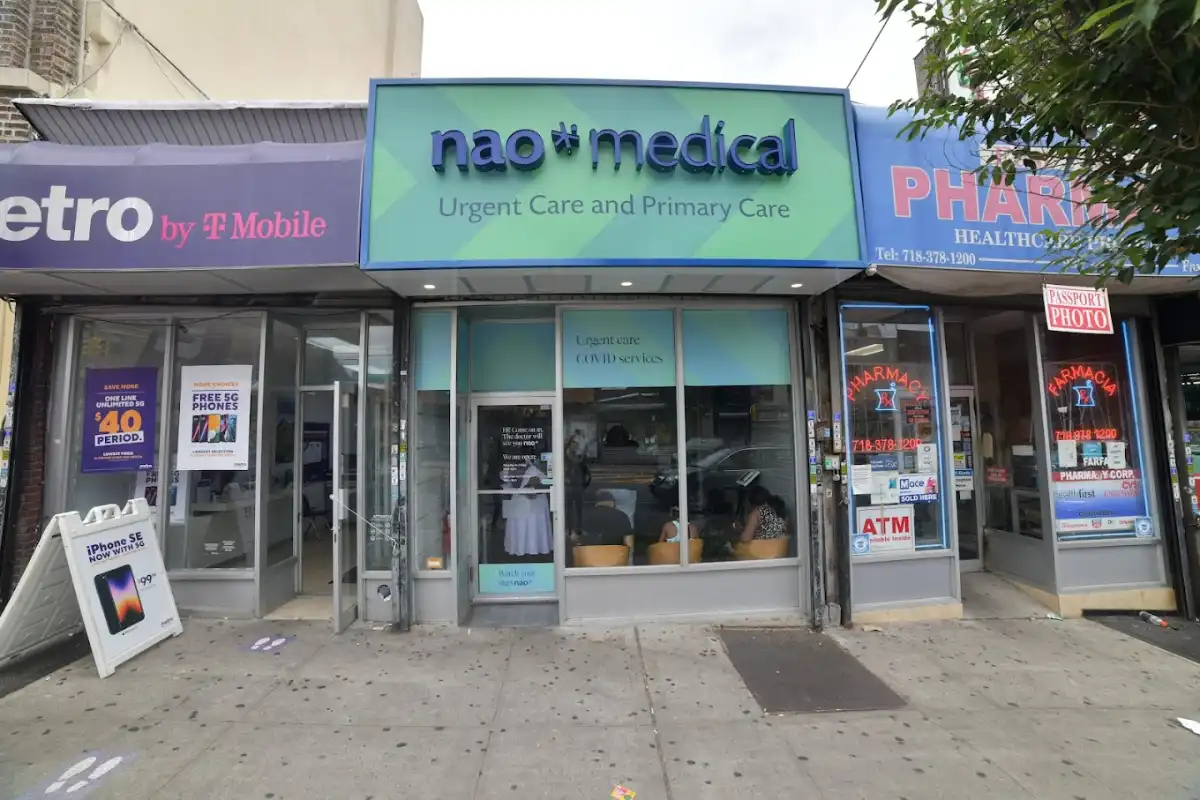
Bronx
932 E 174th St, Bronx, NY 10460
174th Street can help patients review addiction medicine options, insurance, counseling fit, medication needs, and local follow-up.
View addiction care details Get directions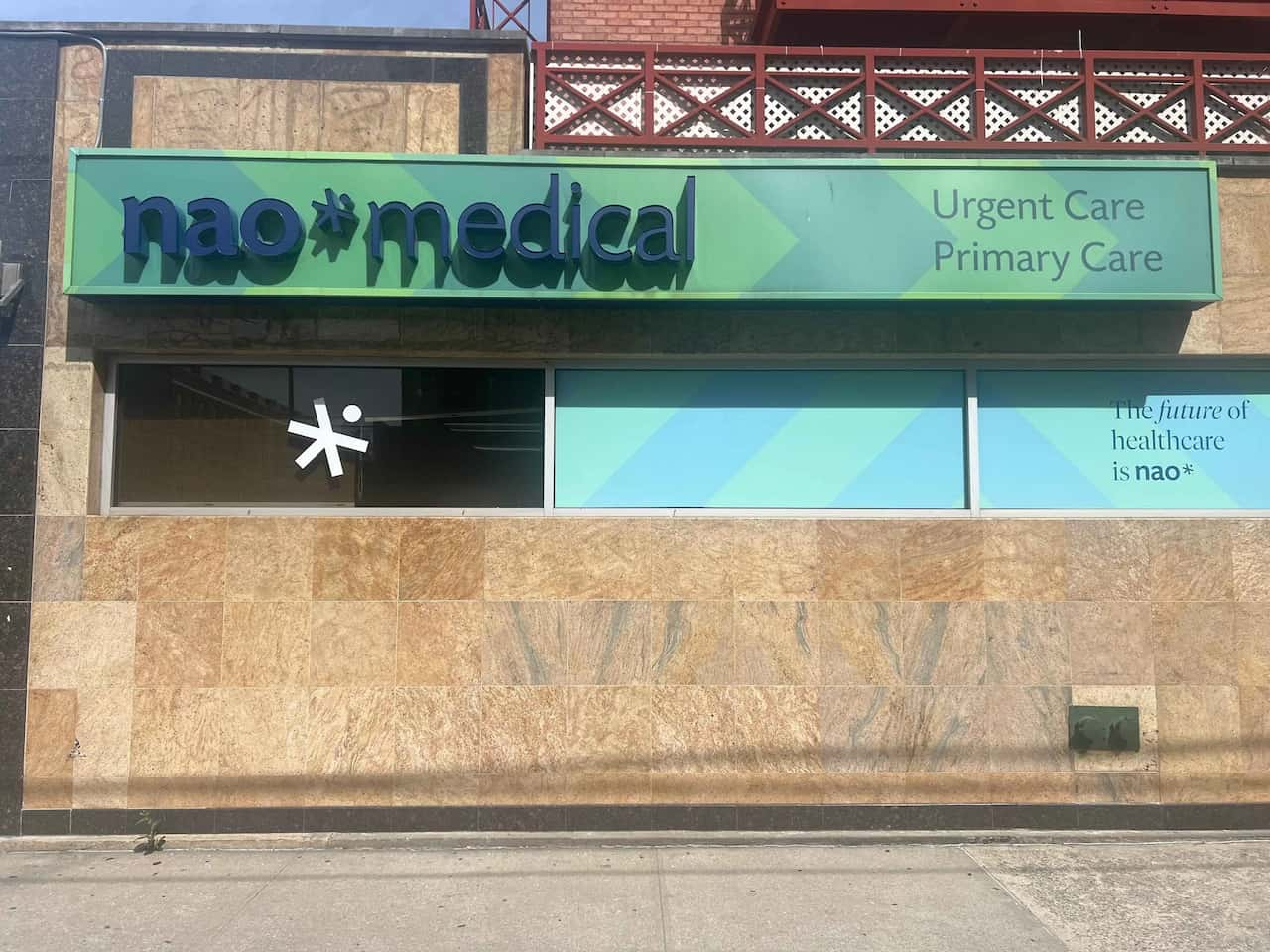
Queens
37-15 23rd Ave, Astoria, NY 11105
Astoria can help patients review addiction medicine options, insurance, counseling fit, medication needs, and local follow-up.
View addiction care details Get directions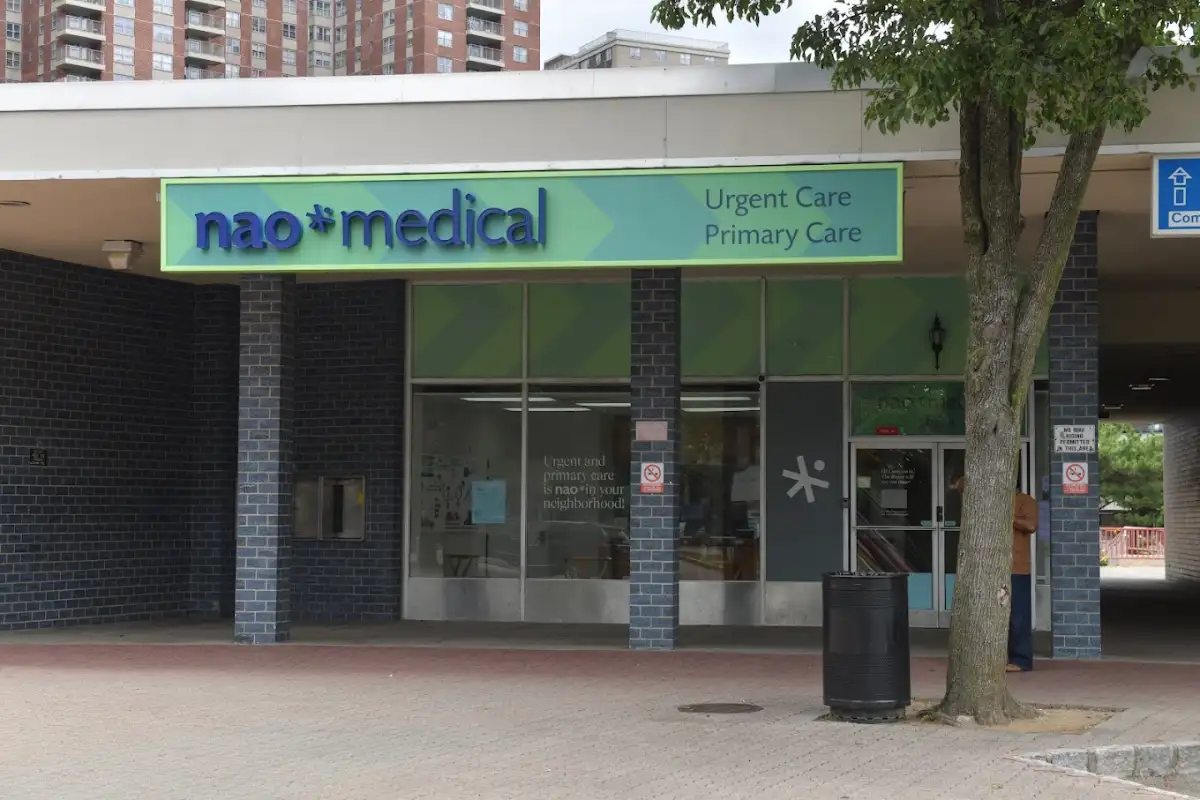
Bronx
2063A Bartow Ave, Bronx, NY 10475
Bartow Mall can help patients review addiction medicine options, insurance, counseling fit, medication needs, and local follow-up.
View addiction care details Get directions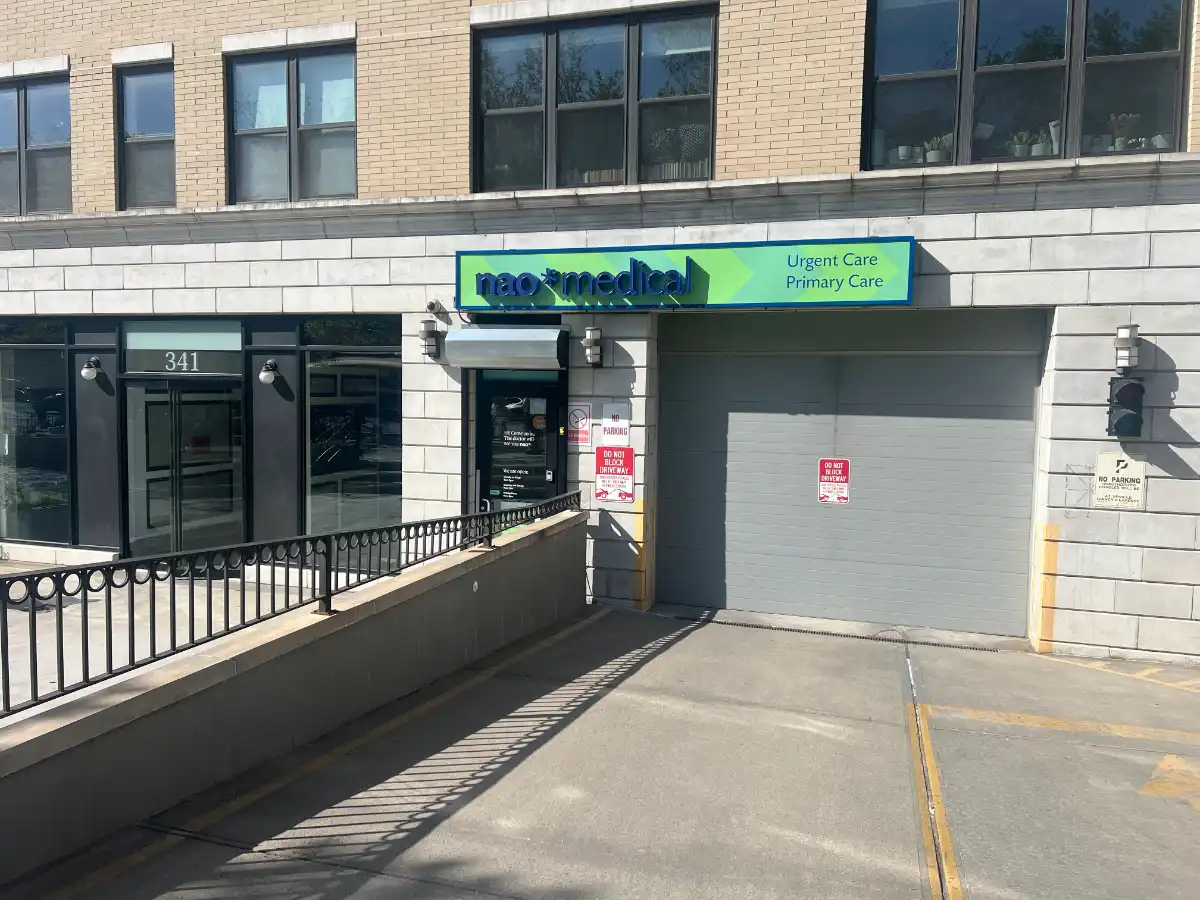
Brooklyn
341 Eastern Pkwy, Brooklyn, NY 11216
Crown Heights can help patients review addiction medicine options, insurance, counseling fit, medication needs, and local follow-up.
View addiction care details Get directions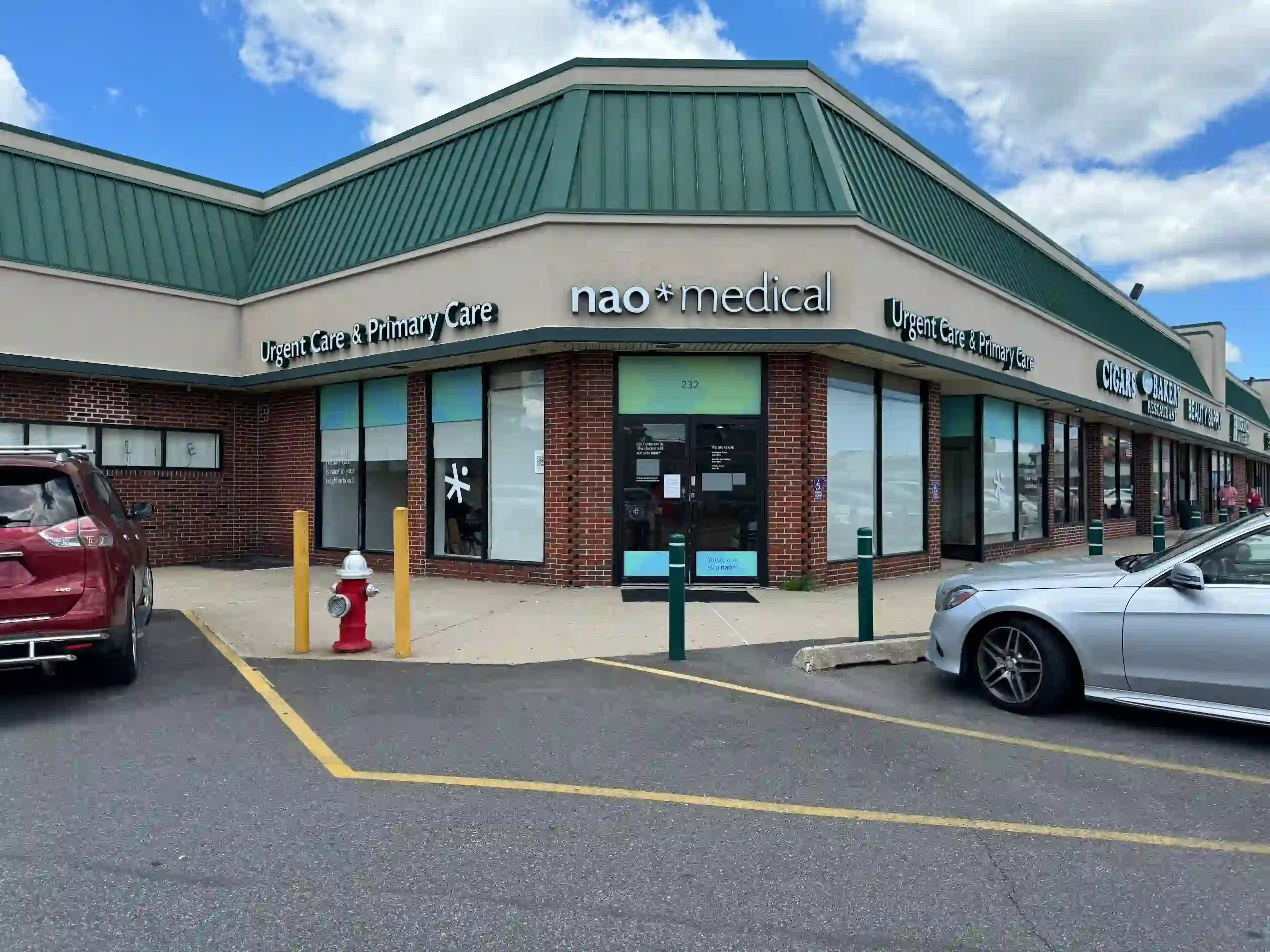
Long Island
232 W Old Country Rd, Hicksville, NY 11801
Hicksville can help patients review addiction medicine options, insurance, counseling fit, medication needs, and local follow-up.
View addiction care details Get directions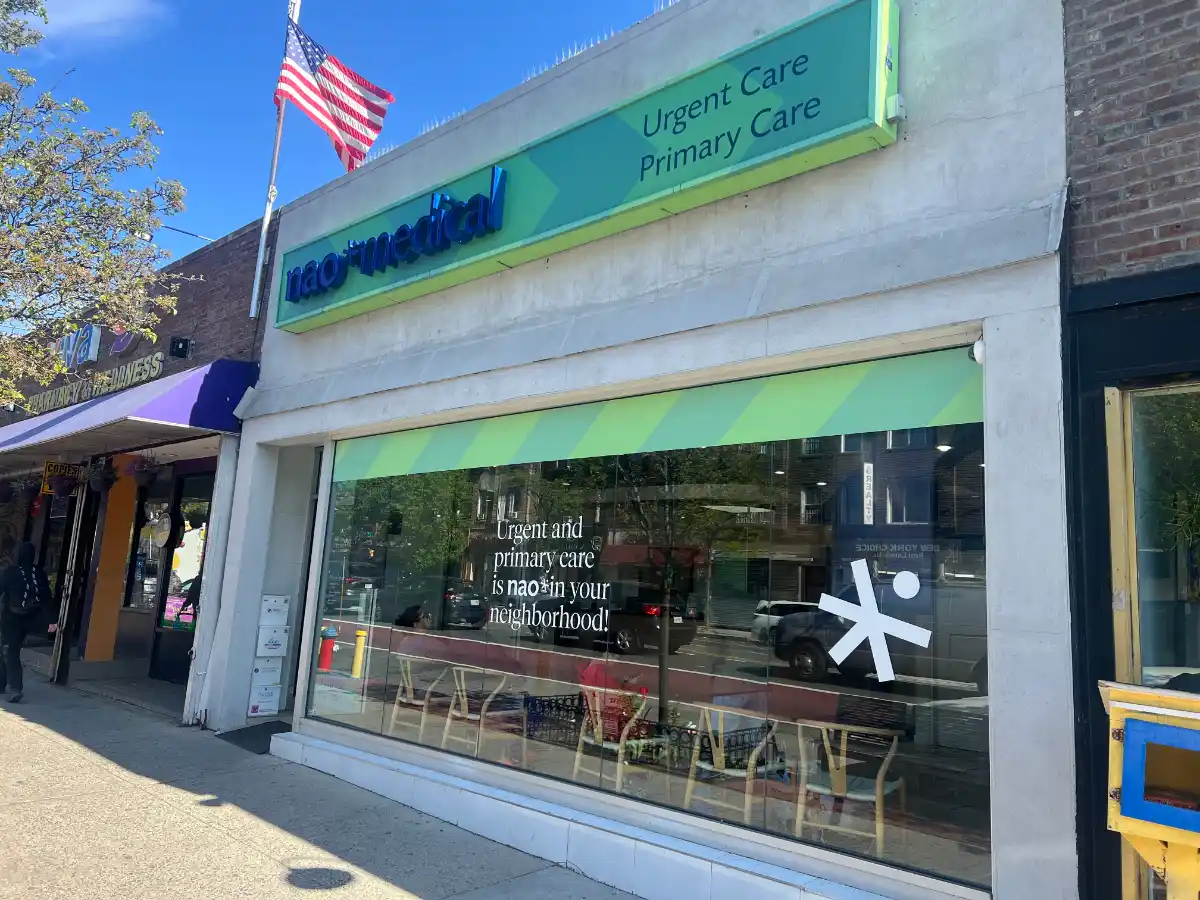
Queens
80-10 Northern Blvd, Jackson Heights, NY 11372
Jackson Heights can help patients review addiction medicine options, insurance, counseling fit, medication needs, and local follow-up.
View addiction care details Get directions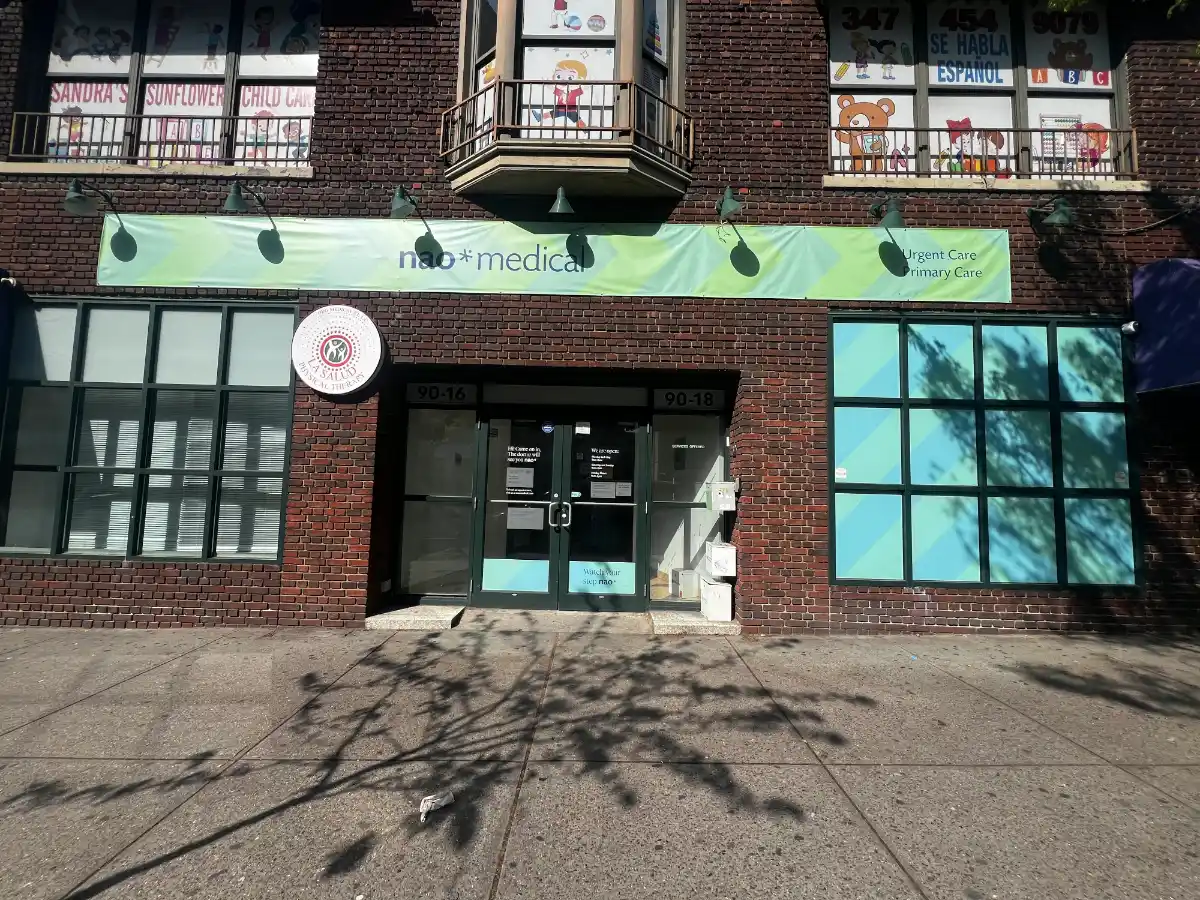
Queens
90-18 Sutphin Blvd, Jamaica, NY 11435
Jamaica can help patients review addiction medicine options, insurance, counseling fit, medication needs, and local follow-up.
View addiction care details Get directions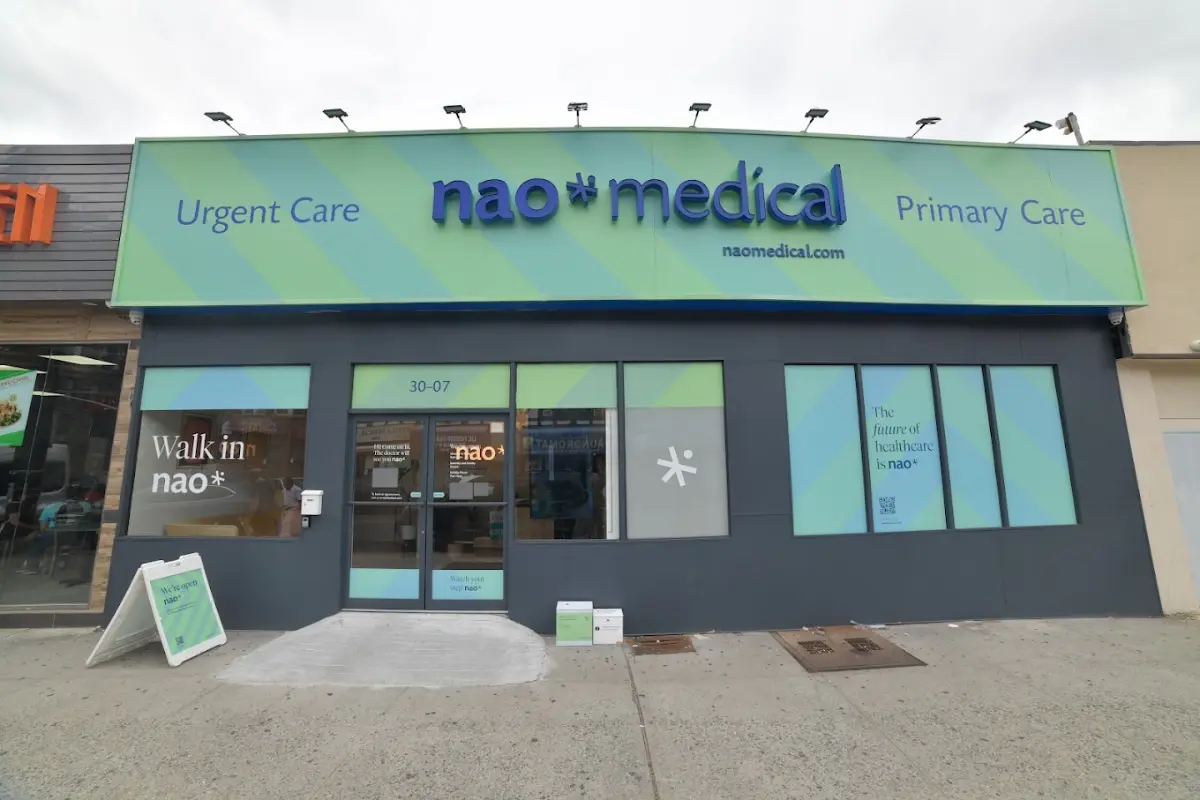
Queens
30-07 36th Ave, Astoria, NY 11106
Long Island City can help patients review addiction medicine options, insurance, counseling fit, medication needs, and local follow-up.
View addiction care details Get directions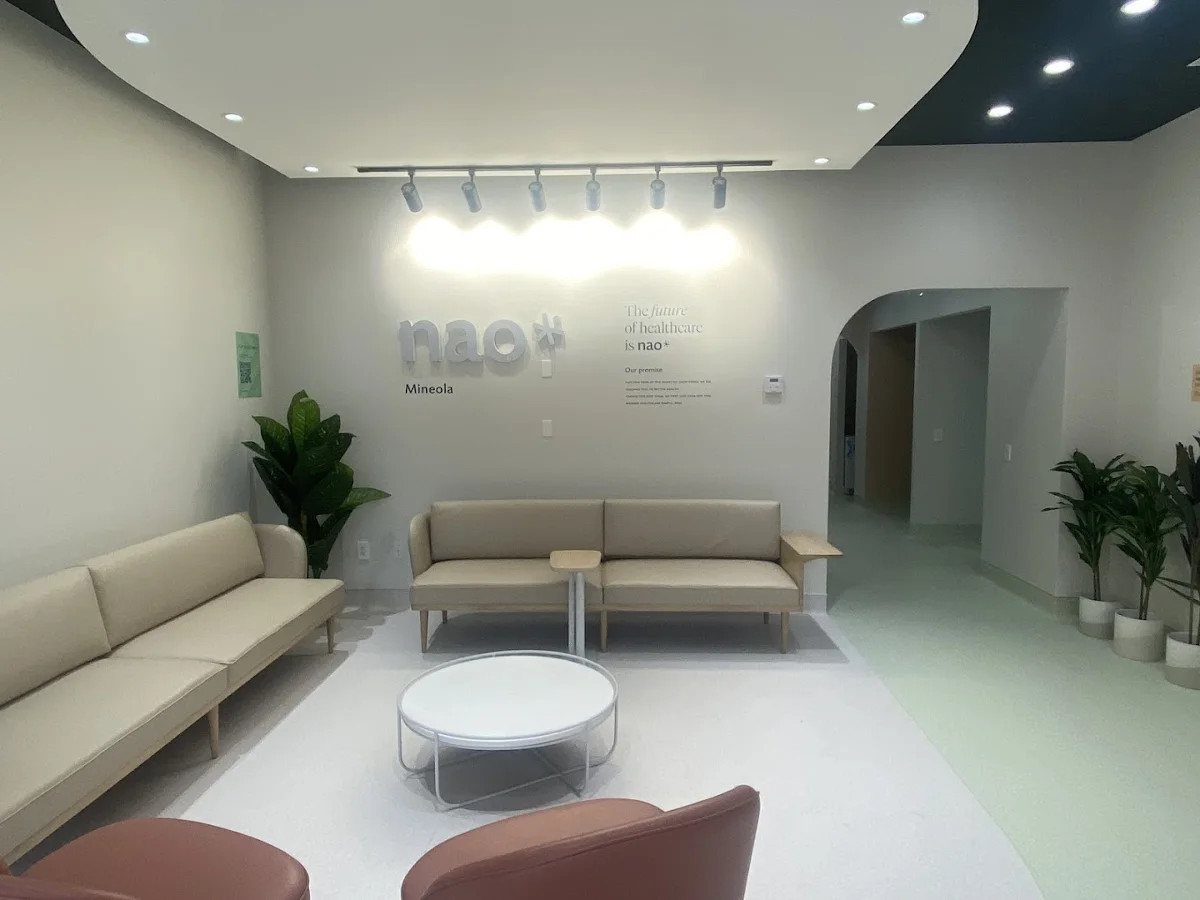
Long Island
135 Mineola Blvd, Mineola, NY 11501
Mineola can help patients review addiction medicine options, insurance, counseling fit, medication needs, and local follow-up.
View addiction care details Get directions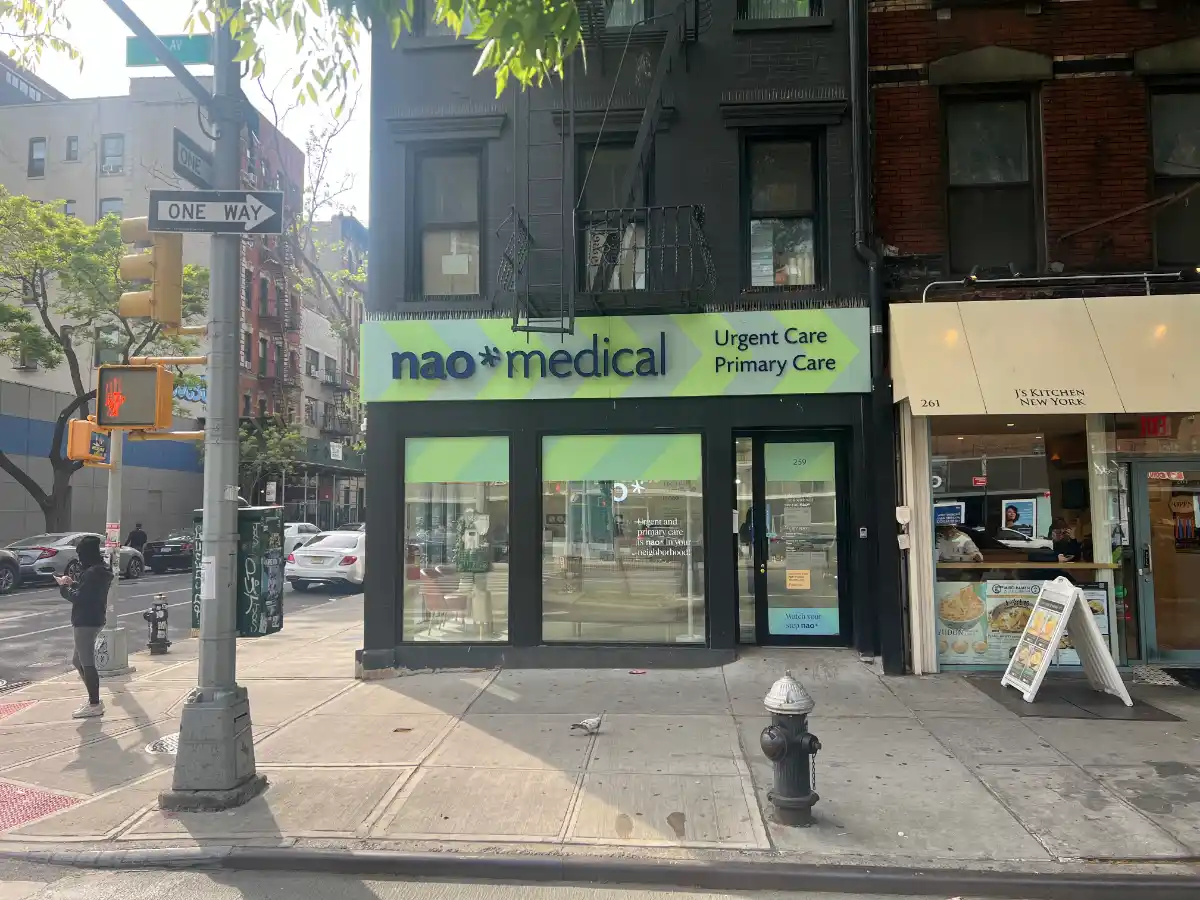
Manhattan
259 1st Ave, New York, NY 10003
StuyTown can help patients review addiction medicine options, insurance, counseling fit, medication needs, and local follow-up.
View addiction care details Get directions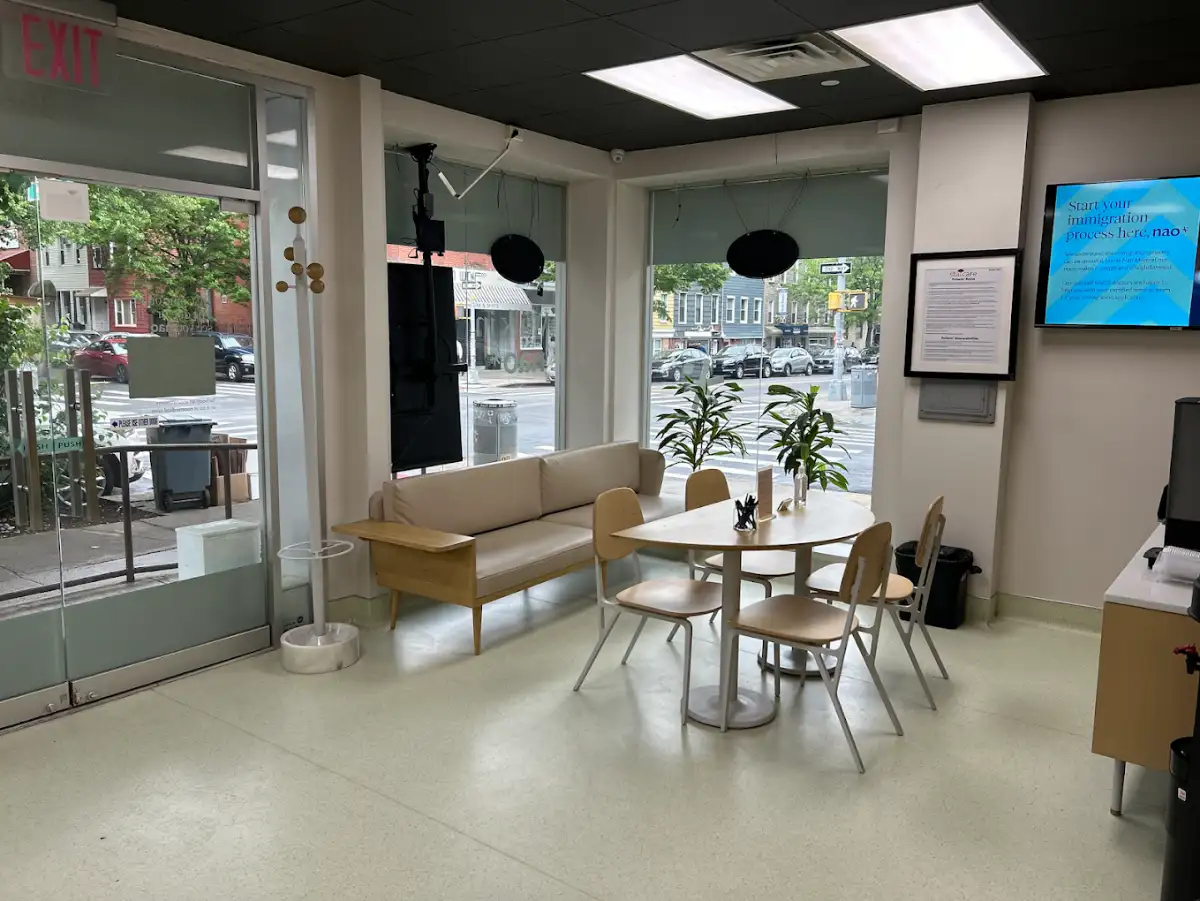
Brooklyn
308 Graham Ave, Brooklyn, NY 11211
Williamsburg can help patients review addiction medicine options, insurance, counseling fit, medication needs, and local follow-up.
View addiction care details Get directionsBook drug addiction treatment in NYC and Long Island with Nao Medical for opioid, cocaine, stimulant, cannabis, benzodiazepine, prescription medication, and polysubstance concerns.
Review cocaine addiction treatment in NYC with Nao Medical, including counseling, relapse prevention, co-occurring mental health, drug testing, insurance, and outpatient follow-up.
Book stimulant addiction treatment review in NYC for cocaine, methamphetamine, Adderall misuse, prescription stimulants, cravings, sleep problems, anxiety, and relapse prevention.
Review cannabis use disorder treatment in NYC with Nao Medical for marijuana use concerns, anxiety, sleep, school or work impact, counseling, family support, and mental-health care.
Review benzodiazepine addiction treatment in NYC for Xanax, Klonopin, Ativan, Valium, withdrawal safety, anxiety, sleep, medication review, and referral needs.
Review prescription drug addiction treatment in NYC for opioids, benzodiazepines, stimulants, sleep medications, medication misuse, withdrawal risk, insurance, and counseling.
Book heroin addiction treatment review in NYC with Nao Medical for MAT, Suboxone, buprenorphine, fentanyl exposure, naloxone, bridge visits, insurance, and local follow-up.
Review pain pill opioid addiction treatment in NYC for oxycodone, hydrocodone, Percocet, Vicodin, codeine, morphine, Suboxone, buprenorphine, and naloxone.
Review kratom dependence treatment in NYC with Nao Medical for cravings, withdrawal symptoms, opioid overlap, mental-health concerns, counseling, safety planning, and follow-up.
Review substance use, safety, testing, documentation, treatment recommendations, insurance, and follow-up.
Review whether an OASAS-certified setting, specific credential, or written requirement may be needed.
Review court, attorney, probation, parole, agency, testing, and documentation requirements.
Review alcohol or drug-related driving requirements and what documentation or treatment may be needed.
Review medication continuity, counseling, cravings, relapse risk, and discharge instructions after detox.
Review Medicaid coverage for MAT visits, testing, counseling, medication, pharmacy benefits, and prior authorization.
Compare local outpatient addiction care access across NYC and Long Island.
Review outpatient addiction medicine when patients are comparing nearby rehab options.
Review scheduled outpatient addiction treatment, medication, counseling, testing, and follow-up.
Review urgent but non-emergency addiction medicine access and same-day limitations.
Review cost factors, insurance, Medicaid, medication, testing, and self-pay options.
Review privacy, self-pay, records release, employer, family, and third-party documentation questions.
Arrange an evaluation to discuss suitable care, preparation and follow-up with a clinician.