Addiction treatment overview
Start with the broader care overview for opioid, alcohol, gambling, tobacco, counseling, Medicaid, and telemedicine questions.

Coverage depends on your exact plan, clinician, location and service. Check participation and expected charges with the clinic and your insurer before booking.


Confirm the specific service at the intended site before traveling. Ask which part of evaluation and follow-up takes place there, how to arrange it and whether your chosen treatment is available at that location.
Ask whether the site provides periodic medical visits, individual or group treatment, a structured intensive program or referral. These are different care intensities. Verify age eligibility and the intended program before traveling, particularly after a discharge recommendation.
Discuss the recommended schedule, work or caregiving barriers and who manages medicines, testing or other referrals. Confirm the return appointment and contact route. If the site cannot provide the recommended intensity, ask how you will connect to a suitable program.
Outpatient addiction care means receiving treatment while living outside a residential program. It can include medical evaluation, medication management, behavioral treatment and recovery support. The actual intensity varies: a periodic medication visit is different from an intensive outpatient program. After detox or rehab, the goal is to connect the discharge plan to care that continues in daily life.
Ongoing care addresses more than the immediate withdrawal. Medication can treat specific disorders, behavioral care can address triggers and coping, and practical support can help with barriers to attending treatment. Recovery support does not replace urgent medical care or guarantee abstinence. The plan should be based on current needs and reviewed as circumstances change.
The assessment reviews substance use, medical and psychiatric stability, treatment history, overdose risk and available support. Some people can be treated safely in routine outpatient care; others need intensive outpatient, residential or inpatient treatment. Recent discharge is not proof that the same level of care remains suitable. Repeated relapse, unsafe symptoms or difficulty following the plan can prompt reassessment.
Bring medication names, the last administered dose or injection, remaining supply, discharge instructions and scheduled referrals. Clarify who currently owns the prescription and when the next dose is due. Identify gaps before medication or follow-up is missed.
Describe use since discharge, cravings, mood, sleep, home support and access barriers. The clinician considers whether routine appointments are enough or another setting is needed. Ask what the proposed program actually includes and how often treatment occurs; a broad outpatient label is not a schedule.
Discuss the treating prescribers, therapy, recovery support and other health needs. Agree on information sharing with your consent and clarify the role of each clinician. Ask about help with referral navigation, insurance or other barriers without assuming the clinic can directly provide every service.
Identify situations likely to trigger use and an action you can take before a crisis. Agree on how to obtain reassessment after a lapse and where to seek emergency help. If opioids are involved, review lower tolerance and naloxone after time without use. Keep care connected even if the original plan needs to change.
Arrange follow-up before discharge when possible. Bring treatment records and a complete medication list, including prescriptions for sleep, anxiety or pain. Tell the team about housing changes, court or employer requirements and support preferences. Ask what must be confirmed before transfer and what to do if the first appointment is later than the remaining medication supply.
Seek emergency care for overdose, severe withdrawal, chest symptoms, dangerous confusion or inability to stay safe. Following a period without opioids, a return to previous amounts can be especially dangerous. Do not abruptly stop a prescribed sedative or OUD medicine to qualify for a program. A referral should preserve appropriate treatment while the receiving service reassesses safety.
Follow-up reviews use, cravings, medication response, daily function, relationships and practical barriers. Testing may support care when appropriate, but should be interpreted with the history. If symptoms or use worsen, discuss a more intensive level of treatment. Completing a program is a transition point rather than a guarantee that medication or support should end.
Ask whether the service offers ongoing medication visits, individual or group therapy, intensive outpatient treatment or referrals. Confirm eligibility, frequency, fees and the first available appointment. Verify insurance requirements and medication coverage separately. Confirm whether the actual service is outpatient care, a referral or a residential program.
Nao Medical offers addiction-care assessment and ongoing support. A visit reviews the concern you want help with, current substance use, withdrawal or overdose risks, mental health and earlier treatment. The plan may include appropriate medicines, counseling, follow-up or referral to a more intensive program. Choose an addiction-care appointment and tell the team about any urgent withdrawal or safety concern. Outpatient care cannot replace emergency treatment or monitored withdrawal when those are needed.
Have your insurance card ready when booking. Share member details through the clinic’s confirmed secure intake process. Check with the clinic and your insurer that the exact plan covers the clinician and requested service. Ask about visit charges, any separately billed tests or medicines, and any referral or authorization requirement. Coverage and your copay or deductible depend on the plan; request a written estimate if paying yourself.
These medicines can be options for opioid use disorder, but they are not interchangeable. Suboxone combines buprenorphine and naloxone and dissolves under the tongue or inside the cheek. Sublocade is an extended-release buprenorphine injection given by a healthcare professional through a restricted REMS program. VIVITROL is a naltrexone injection given monthly. Starting VIVITROL for opioid use disorder requires an opioid-free interval to avoid severe precipitated withdrawal. The clinician reviews current opioid use, previous treatment, health risks and your preferences before selecting an option. Confirm the prescribing and injection arrangements before a treatment change.
An outpatient assessment identifies the substance or behavioral concern, current use, withdrawal and overdose risks, mental health, and the level of care needed. Treatment can include appropriate medication, counseling and practical support. Buprenorphine, methadone and naltrexone have different opioid-treatment pathways; alcohol and tobacco medicines differ, and gambling care is behavioral. Not every concern has an approved medicine, and outpatient care is not suitable for every withdrawal risk. Confirm the actual services and qualified clinicians at the selected program.
Call 911 for slowed breathing, inability to wake, a seizure, severe confusion, chest pain or immediate danger. Use available naloxone for a suspected opioid overdose while emergency help is called. Severe alcohol or benzodiazepine withdrawal can be life-threatening and needs urgent assessment. A routine outpatient visit or medication for cravings is not a substitute for monitored withdrawal care.
They are a reason to reassess, but the setting depends on safety, symptoms, support and the full clinical history. A clinician should explain why a more intensive program may help rather than choosing from peer accounts.
Physical withdrawal and urges related to triggers or other conditions are different treatment needs. Discuss timing, medication, mood and circumstances so the plan can be reviewed.
Start with the broader care overview for opioid, alcohol, gambling, tobacco, counseling, Medicaid, and telemedicine questions.
Review Suboxone, buprenorphine, fentanyl-aware care, bridge visits, Sublocade review, VIVITROL review, and naloxone safety planning.
Review alcohol-use care, withdrawal safety, counseling coordination, naltrexone, VIVITROL, and relapse-prevention planning.
Review individual counseling, group therapy needs, substance-use support and coordination with behavioral-health care.
Review Medicaid, Medicare, commercial insurance, self-pay, testing, medication, and pharmacy benefit questions.
Bring court, probation, parole, attorney, employer, or EAP paperwork so documentation and testing needs can be reviewed.
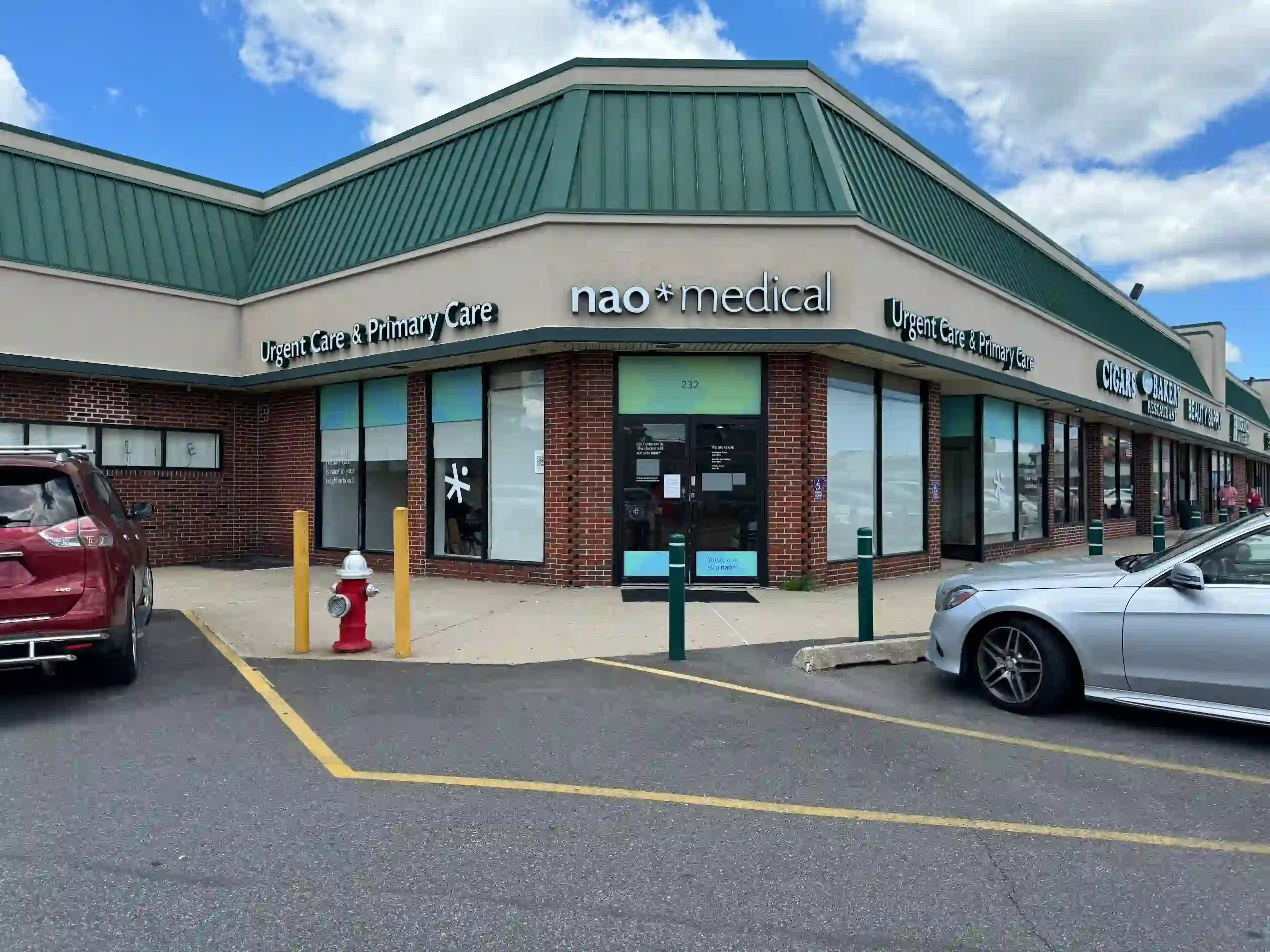
Long Island
232 W Old Country Rd, Hicksville, NY 11801
Hicksville can help patients review addiction medicine options, insurance, counseling fit, medication needs, and local follow-up.
View addiction care details Get directions
Long Island
135 Mineola Blvd, Mineola, NY 11501
Mineola can help patients review addiction medicine options, insurance, counseling fit, medication needs, and local follow-up.
View addiction care details Get directionsFast evaluation for urgent but non-emergency medication, counseling, testing, safety, and follow-up questions.
Scheduled addiction care for medication, counseling, relapse prevention, testing, insurance, and local follow-up.
Virtual review for selected needs, with local backup when testing, injections, or physical assessment are needed.
Follow-up planning for triggers, cravings, medication gaps, discharge transitions, and higher-risk moments.
Coordinated review for addiction plus anxiety, depression, trauma, insomnia, ADHD, or other concerns.
Testing coordination for treatment monitoring, court instructions, employer requests, MAT, and documentation needs.
Review opioid, stimulant, cannabis, benzodiazepine, prescription medication, kratom, and mixed-substance concerns.
Review cocaine, crack cocaine, methamphetamine, Adderall misuse, sleep, mood, testing, and relapse risk.
Review marijuana or THC use concerns, anxiety, sleep, school or work impact, and family support.
Review opioid pain pills, benzodiazepines, stimulants, sleep medications, withdrawal risk, and medication coordination.
Review naloxone access, family safety planning, opioid risk, fentanyl exposure, and follow-up care.
Review youth, family, school, privacy, consent, mental-health, and referral questions carefully.
Review substance use, safety, testing, documentation, treatment recommendations, insurance, and follow-up.
Review whether an OASAS-certified setting, specific credential, or written requirement may be needed.
Review court, attorney, probation, parole, agency, testing, and documentation requirements.
Review alcohol or drug-related driving requirements and what documentation or treatment may be needed.
Review medication continuity, counseling, cravings, relapse risk, and discharge instructions after detox.
Review Medicaid coverage for MAT visits, testing, counseling, medication, pharmacy benefits, and prior authorization.
Compare local outpatient addiction care access across NYC and Long Island.
Review outpatient addiction medicine when patients are comparing nearby rehab options.
Review scheduled outpatient addiction treatment, medication, counseling, testing, and follow-up.
Review urgent but non-emergency addiction medicine access and same-day limitations.
Review cost factors, insurance, Medicaid, medication, testing, and self-pay options.
Review privacy, self-pay, records release, employer, family, and third-party documentation questions.
Arrange an evaluation to discuss suitable care, preparation and follow-up with a clinician.