Individual therapy
Therapy can address cravings, routines, anxiety, sleep, motivation, school or work stress, and relationship strain.

Cannabis use can become a problem when it affects school, work, driving, motivation, anxiety, sleep, relationships, mood, or daily responsibilities. A clinical visit can help sort out what is happening and what kind of support fits.
Coverage depends on your exact plan, clinician, location and service. Check participation and expected charges with the clinic and your insurer before booking.


Cannabis use disorder treatment can help when use has become hard to control or is affecting health, relationships, work or school. An assessment explores the pattern of use, the product, attempts to stop and your goals. Legal access or a medical-cannabis recommendation does not establish that a particular pattern of use is harmless or appropriate for you.
Cannabis products differ in potency, ingredients and route. Regular use can lead to dependence, cravings and withdrawal symptoms such as sleep disturbance, irritability and appetite changes. There is no FDA-approved medication specifically for cannabis use disorder or medically assisted cannabis withdrawal. Behavioral treatment and assessment of other health needs are central; care for problematic cannabis use is a different task from seeking a medical-cannabis product.
The clinician reviews control over use, effects on daily life and whether withdrawal or a co-occurring condition is involved. Bring details of flower, concentrates, edibles, vapes and any products with uncertain ingredients. Teens, pregnancy, significant psychiatric symptoms and repeated vomiting require specific assessment. Taking a prescribed cannabinoid for another illness has a different indication from treating cannabis use disorder.
Explain when and why you use cannabis, how much the pattern has changed and what happens when you reduce it. Discuss sleep, anxiety, pain, appetite or social situations that make stopping difficult. You and the clinician can choose goals and assess whether outpatient treatment fits the current risks.
Cognitive behavioral therapy helps examine triggers and practice coping responses. Motivational enhancement helps clarify goals and ambivalence. Contingency management may reinforce agreed treatment goals in a structured program. Ask what is actually available and how progress will be reviewed; a service name alone does not verify a particular therapy program.
Trouble sleeping or a low mood may relate to reducing cannabis, a separate illness or both. The clinician should assess the history and course rather than label every symptom as withdrawal. Symptom-focused or off-label medication discussion does not mean that a drug is approved to cure cannabis use disorder.
Identify high-risk situations, what to do during an urge and how to contact the team if symptoms worsen. Plan around work, school and household exposure. If cannabis use returns, review what led to it and whether treatment intensity or other support should change.
Bring a medicine list and product details, including THC/CBD information if known. Be clear about alcohol, nicotine, other substances and medicines used for sleep. Tell the clinician if you have experienced panic, paranoia, hallucinations or repeated vomiting. Ask which symptoms need urgent care and how to get help between visits. Do not use a forum’s withdrawal calendar as a required timetable for improvement.
Seek urgent medical care for repeated vomiting with dehydration, severe confusion, chest symptoms or an inability to stay safe. New psychosis or dangerous behavior needs urgent assessment. Avoid driving or hazardous tasks while impaired. Edibles and other products need secure storage away from children. Synthetic or unknown cannabinoid products can have different and serious risks and should be identified during assessment.
Follow-up reviews use, cravings, sleep, mood and function. Persistent symptoms may need a new assessment rather than simply waiting longer. Discuss whether behavioral strategies are usable in daily life and whether another condition needs treatment. Testing, if used, has limitations and should be interpreted in context. A fixed abstinence deadline cannot predict every person’s recovery.
Ask whether the service treats cannabis use disorder, provides behavioral treatment or refers to another program. Clarify visits, follow-up, testing and any proposed medication costs. Ask what any proposed medicine is intended to treat and what evidence supports it. Treatment for problematic cannabis use does not promise a cannabis product.
Cannabis use disorder treatment can help when use has become hard to control or is affecting health, relationships, work or school. An assessment explores the pattern of use, the product, attempts to stop and your goals. Legal access or a medical-cannabis recommendation does not establish that a particular pattern of use is harmless or appropriate for you.
The clinician reviews control over use, effects on daily life and whether withdrawal or a co-occurring condition is involved. Bring details of flower, concentrates, edibles, vapes and any products with uncertain ingredients. Teens, pregnancy, significant psychiatric symptoms and repeated vomiting require specific assessment. Taking a prescribed cannabinoid for another illness has a different indication from treating cannabis use disorder.
Explain when and why you use cannabis, how much the pattern has changed and what happens when you reduce it. Discuss sleep, anxiety, pain, appetite or social situations that make stopping difficult. You and the clinician can choose goals and assess whether outpatient treatment fits the current risks.
Cognitive behavioral therapy helps examine triggers and practice coping responses. Motivational enhancement helps clarify goals and ambivalence. Contingency management may reinforce agreed treatment goals in a structured program. Ask what is actually available and how progress will be reviewed; a service name alone does not verify a particular therapy program.
Trouble sleeping or a low mood may relate to reducing cannabis, a separate illness or both. The clinician should assess the history and course rather than label every symptom as withdrawal. Symptom-focused or off-label medication discussion does not mean that a drug is approved to cure cannabis use disorder.
Identify high-risk situations, what to do during an urge and how to contact the team if symptoms worsen. Plan around work, school and household exposure. If cannabis use returns, review what led to it and whether treatment intensity or other support should change.
No. Problematic cannabis use can affect adults as well as teens. An assessment reviews the actual use pattern, loss of control, withdrawal, mental health and effects on daily life. Confirm the age-appropriate clinician and service before booking. Adolescent participation and privacy require their own pathway. Cannabis treatment is not limited to one age group.
Have your insurance card ready when booking. Share member details through the clinic’s confirmed secure intake process. Check with the clinic and your insurer that the exact plan covers the clinician and requested service. Ask about visit charges, any separately billed tests or medicines, and any referral or authorization requirement. Coverage and your copay or deductible depend on the plan; request a written estimate if paying yourself.
The course varies with use and other health factors. Report severity, progression and daytime impairment. Persistent or worsening symptoms deserve assessment; an anecdotal timeline cannot tell you when sleep must normalize.
Cannabis use disorder is a recognized DSM-5-TR diagnosis. It means a pattern of cannabis use causing significant problems or distress, such as difficulty controlling use, continuing despite harm, or losing time and activities to use. A clinician assesses symptoms over a 12-month period; at least two qualifying criteria are needed. Legal access and a positive drug test do not decide the diagnosis. Behavioral treatment can help; there is no FDA-approved medicine specifically for cannabis use disorder.
Look at whether you repeatedly use more than intended, struggle to cut down, have strong cravings, or keep using despite work, relationship, health or safety problems. Withdrawal or tolerance may also be part of the assessment, but no single symptom proves the diagnosis. Tell a clinician about products, frequency, sleep, mood and attempts to stop. They can assess the full pattern and recommend support.
It should not be assumed to treat a digestive disease. NIH describes little human research for irritable bowel syndrome and uncertain benefit. Small inflammatory bowel disease studies have not established that symptom relief means the underlying disease is controlled. Regular cannabis use can also cause episodes of severe nausea and vomiting. Discuss persistent digestive symptoms with a clinician and disclose cannabis use; do not replace prescribed GI treatment or treat worsening vomiting by using more cannabis.
Therapy can address cravings, routines, anxiety, sleep, motivation, school or work stress, and relationship strain.
Age, consent, guardian involvement, safety, school concerns, and referral needs should be reviewed carefully.
Cannabis use and anxiety, depression, trauma, insomnia, or psychosis-risk symptoms may need coordinated care.
A plan can focus on triggers, routines, sleep, peer pressure, family boundaries, and follow-up timing.
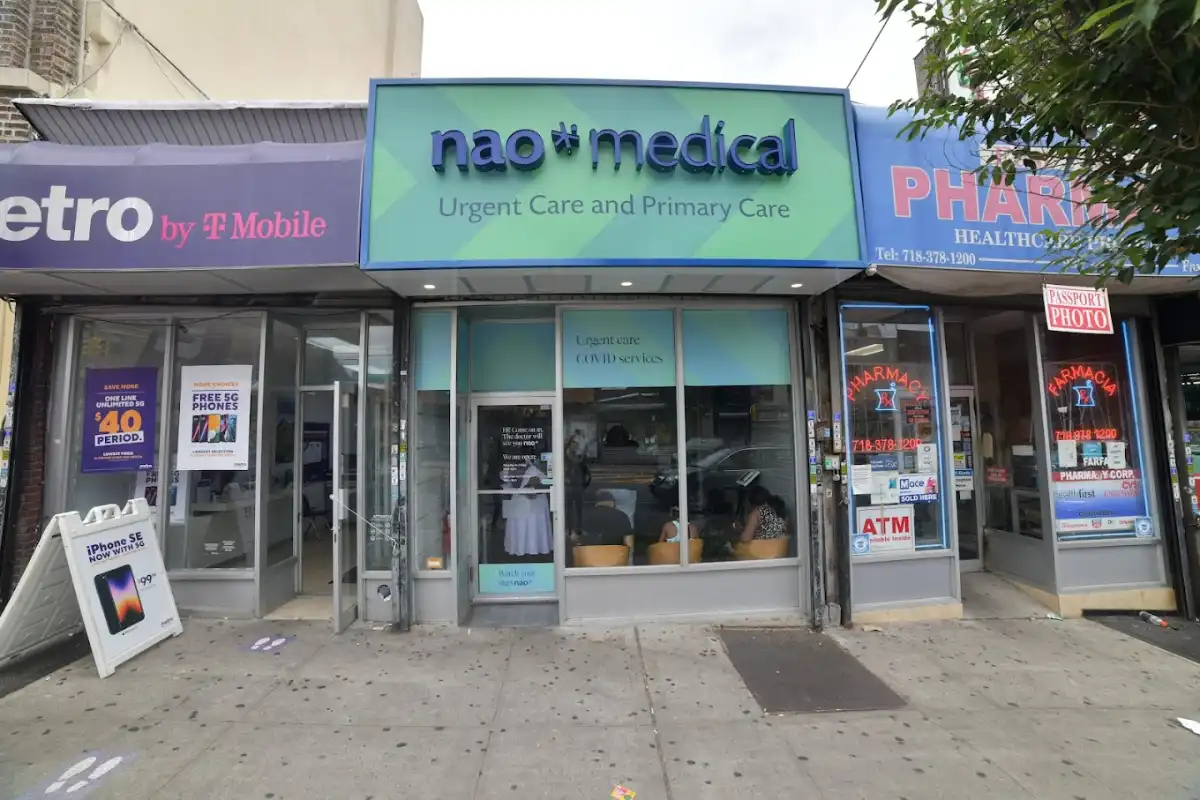
Bronx
932 E 174th St, Bronx, NY 10460
174th Street can help patients review addiction medicine options, insurance, counseling fit, medication needs, and local follow-up.
View addiction care details Get directions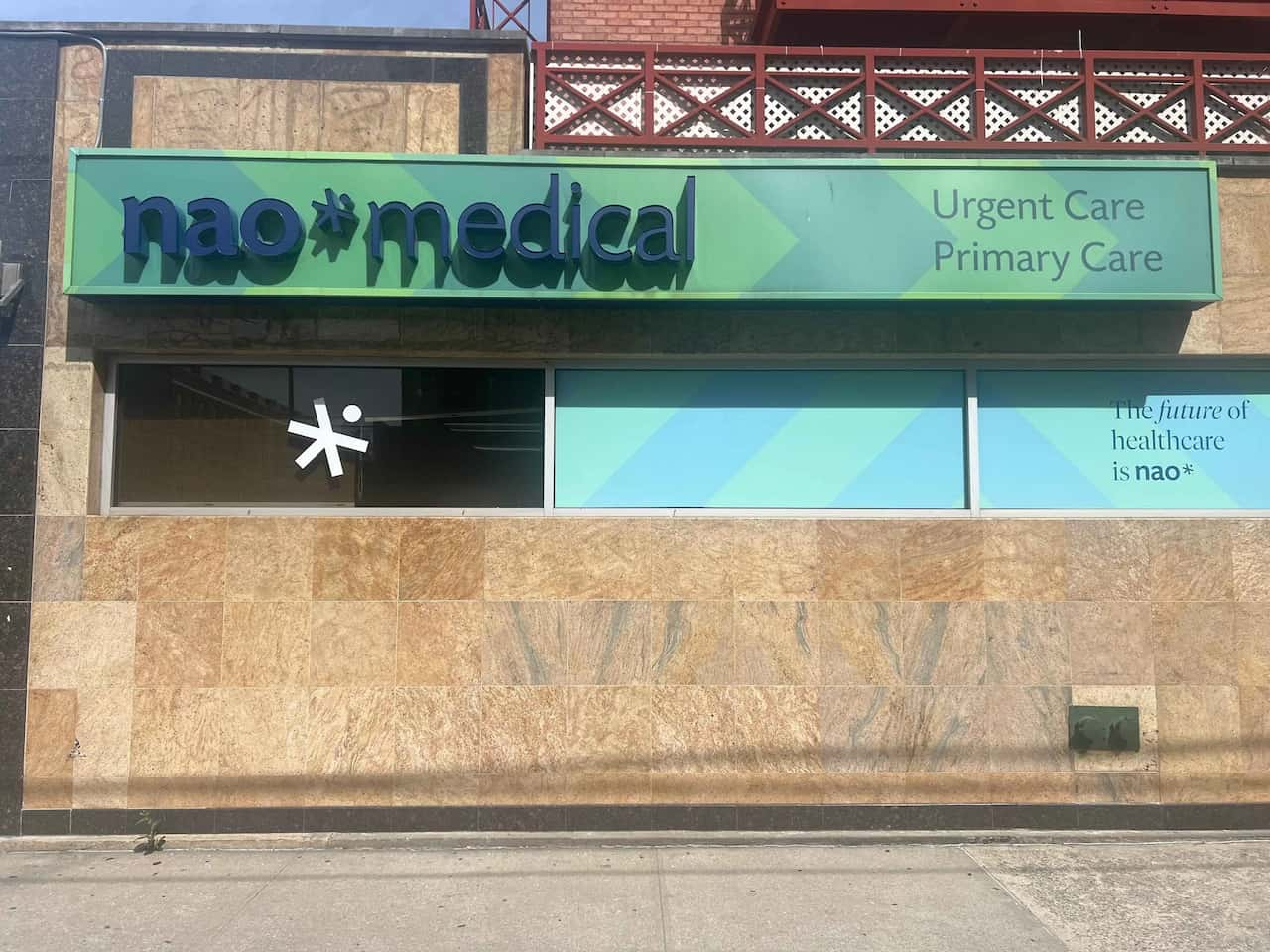
Queens
37-15 23rd Ave, Astoria, NY 11105
Astoria can help patients review addiction medicine options, insurance, counseling fit, medication needs, and local follow-up.
View addiction care details Get directions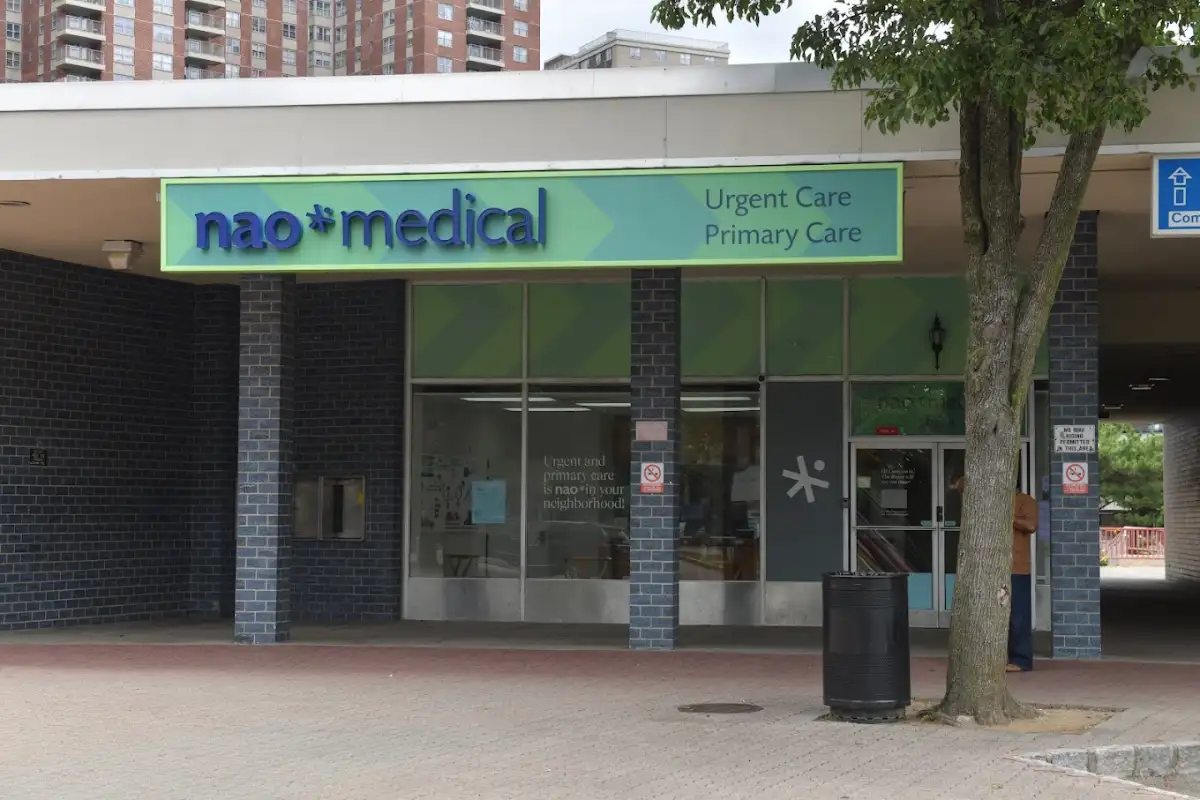
Bronx
2063A Bartow Ave, Bronx, NY 10475
Bartow Mall can help patients review addiction medicine options, insurance, counseling fit, medication needs, and local follow-up.
View addiction care details Get directions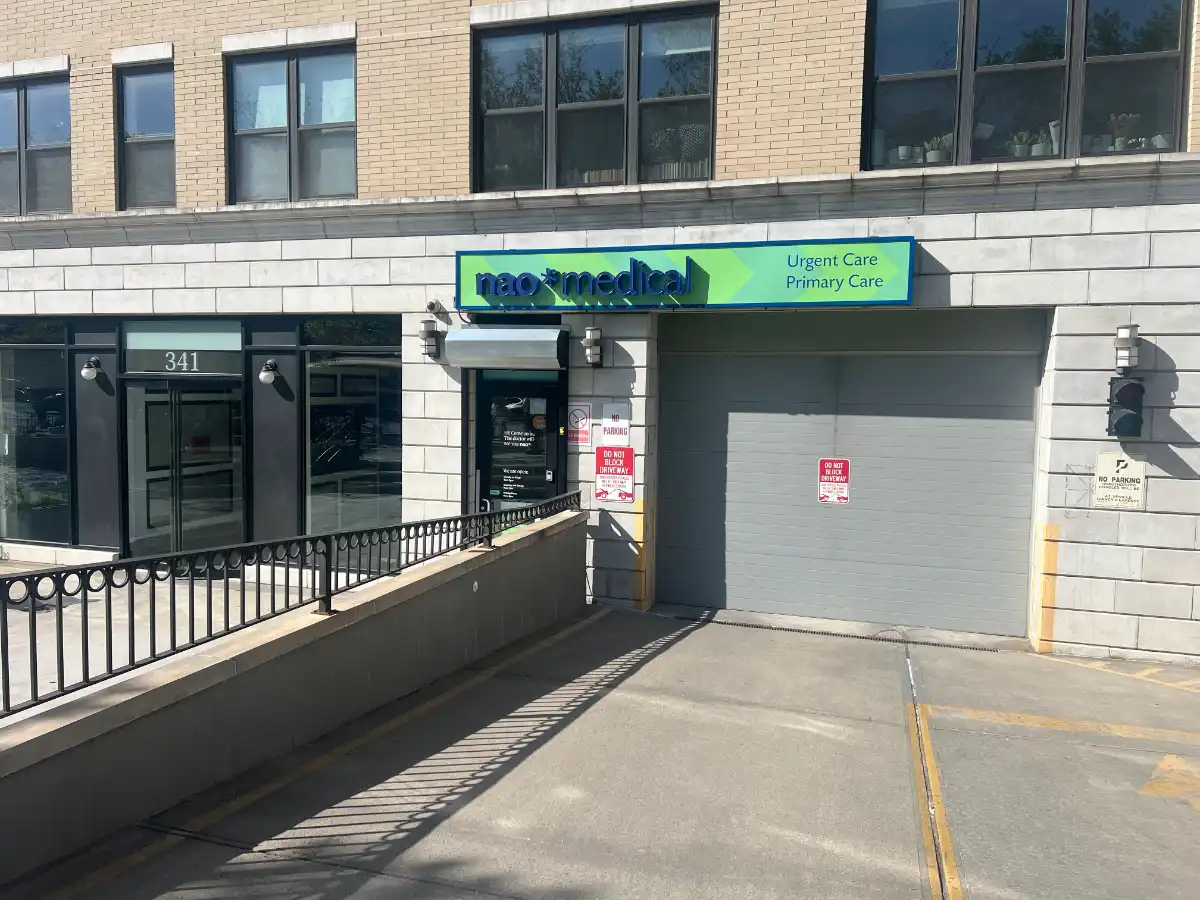
Brooklyn
341 Eastern Pkwy, Brooklyn, NY 11216
Crown Heights can help patients review addiction medicine options, insurance, counseling fit, medication needs, and local follow-up.
View addiction care details Get directions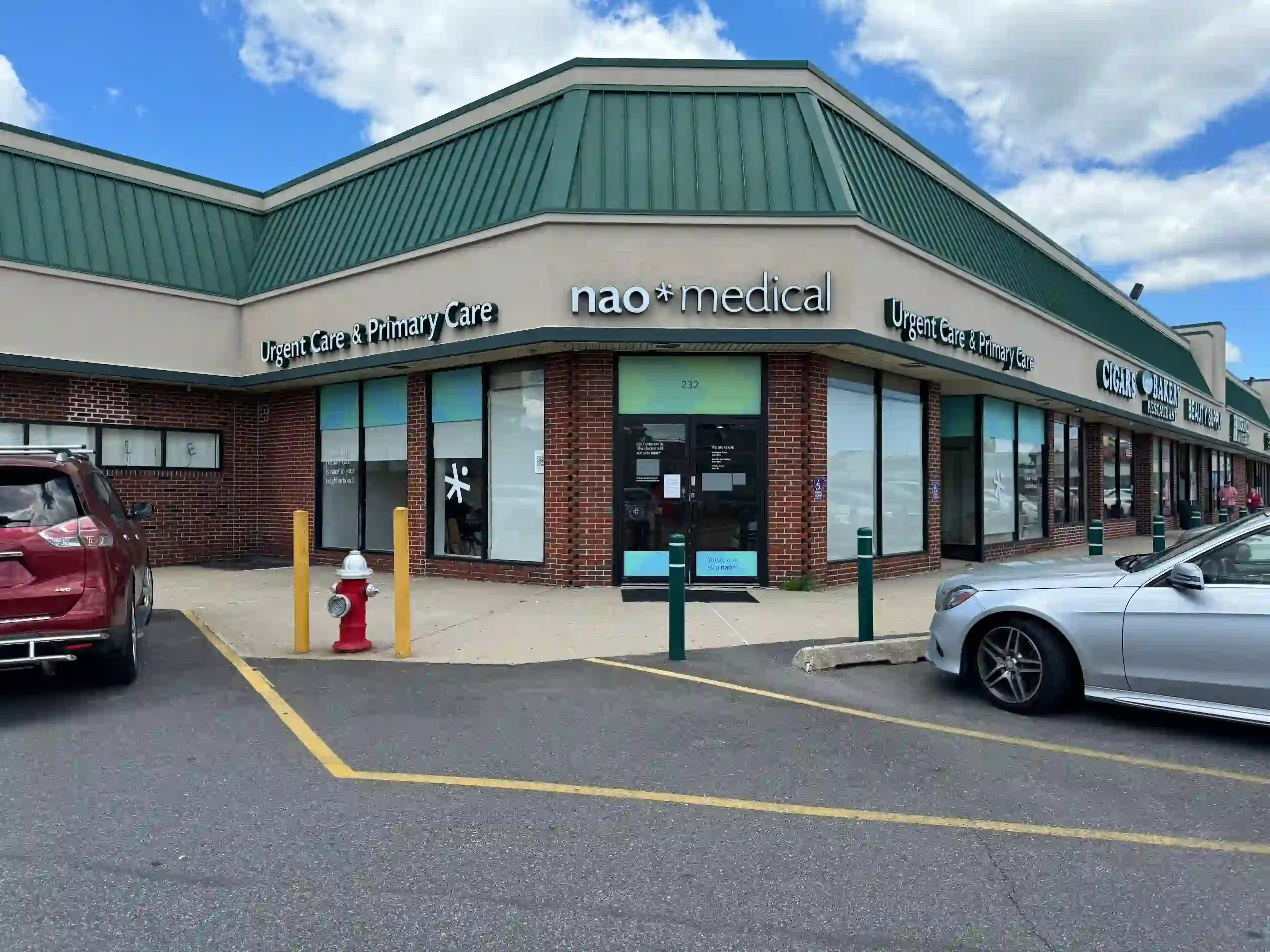
Long Island
232 W Old Country Rd, Hicksville, NY 11801
Hicksville can help patients review addiction medicine options, insurance, counseling fit, medication needs, and local follow-up.
View addiction care details Get directions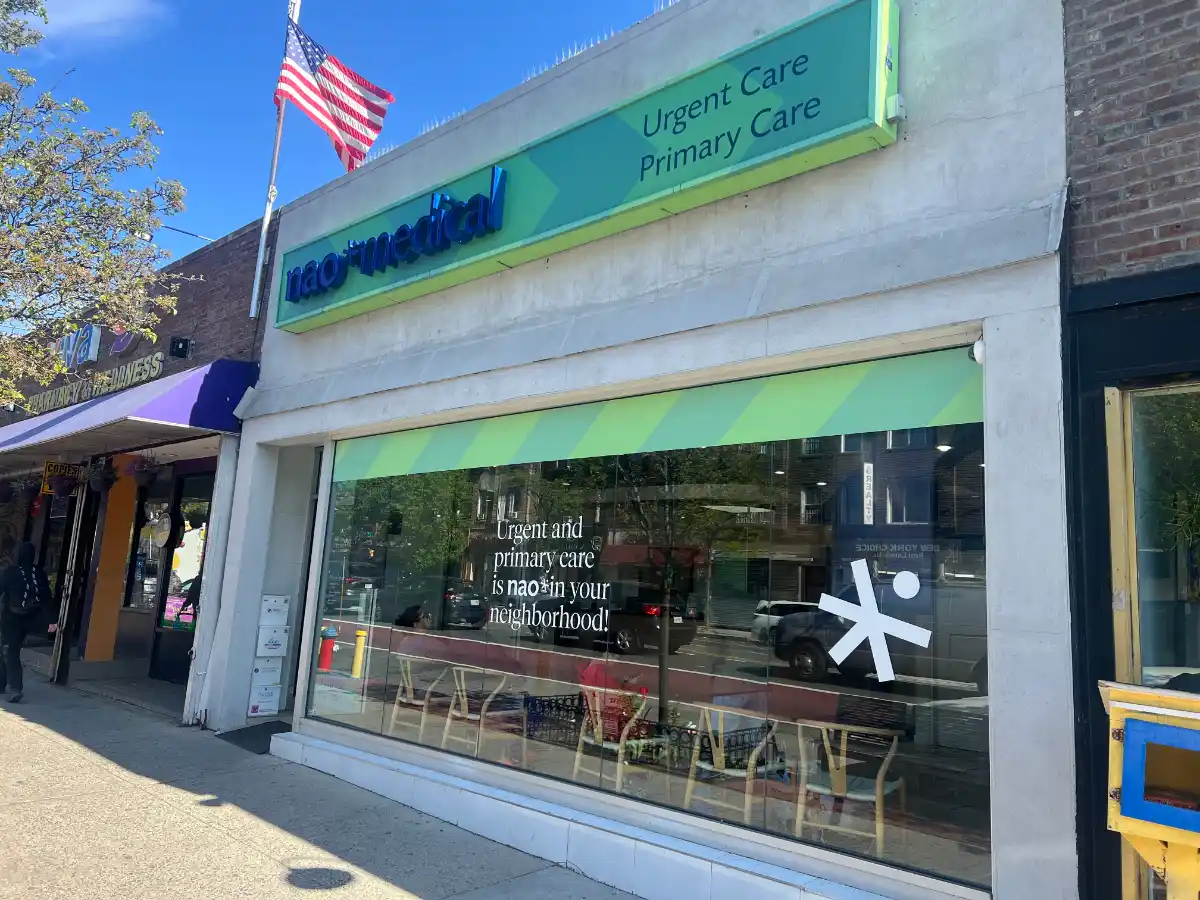
Queens
80-10 Northern Blvd, Jackson Heights, NY 11372
Jackson Heights can help patients review addiction medicine options, insurance, counseling fit, medication needs, and local follow-up.
View addiction care details Get directions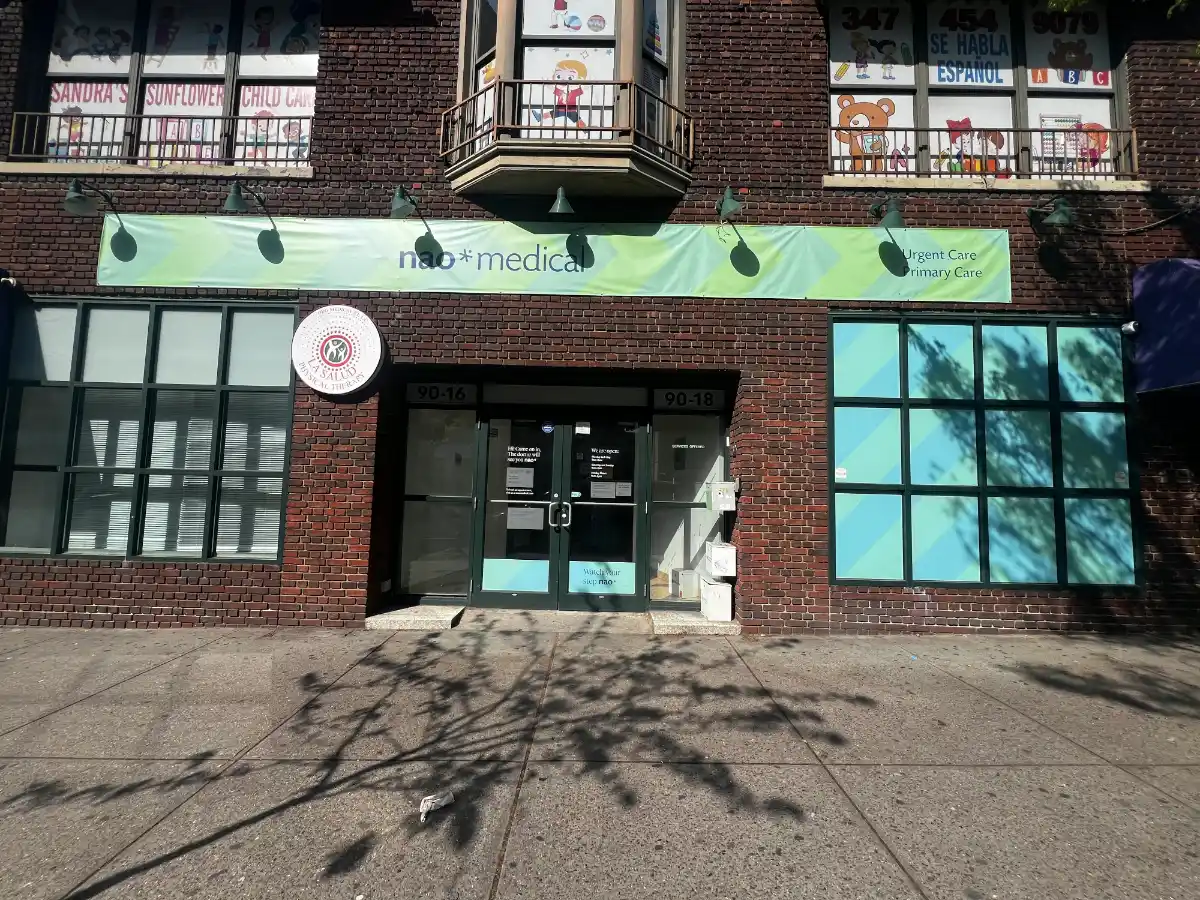
Queens
90-18 Sutphin Blvd, Jamaica, NY 11435
Jamaica can help patients review addiction medicine options, insurance, counseling fit, medication needs, and local follow-up.
View addiction care details Get directions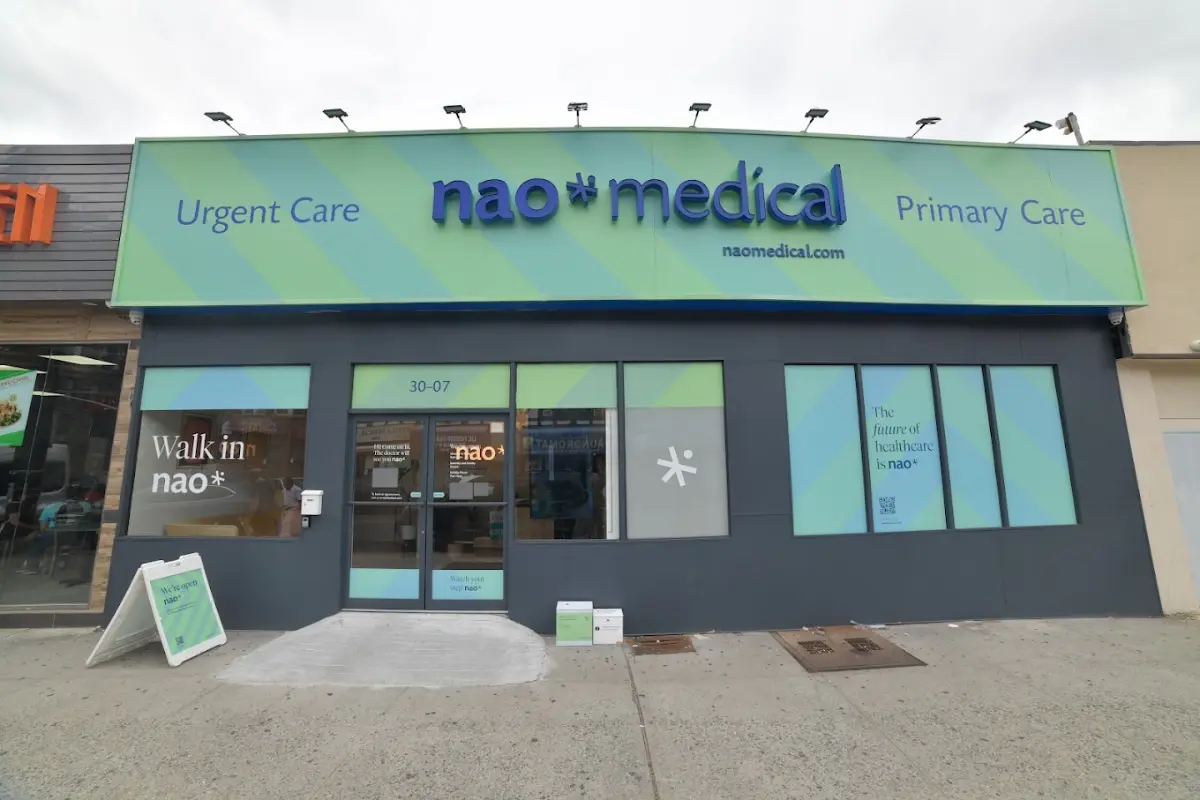
Queens
30-07 36th Ave, Astoria, NY 11106
Long Island City can help patients review addiction medicine options, insurance, counseling fit, medication needs, and local follow-up.
View addiction care details Get directions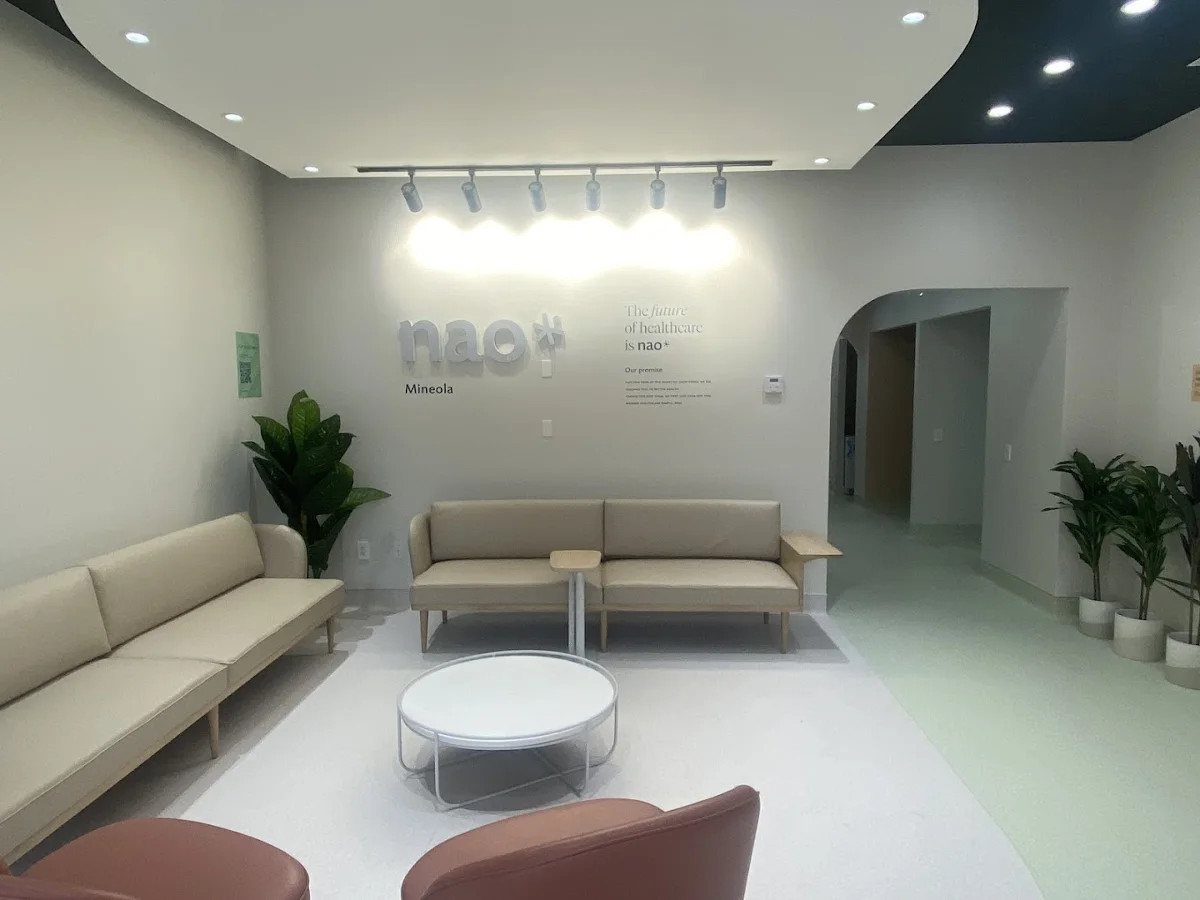
Long Island
135 Mineola Blvd, Mineola, NY 11501
Mineola can help patients review addiction medicine options, insurance, counseling fit, medication needs, and local follow-up.
View addiction care details Get directions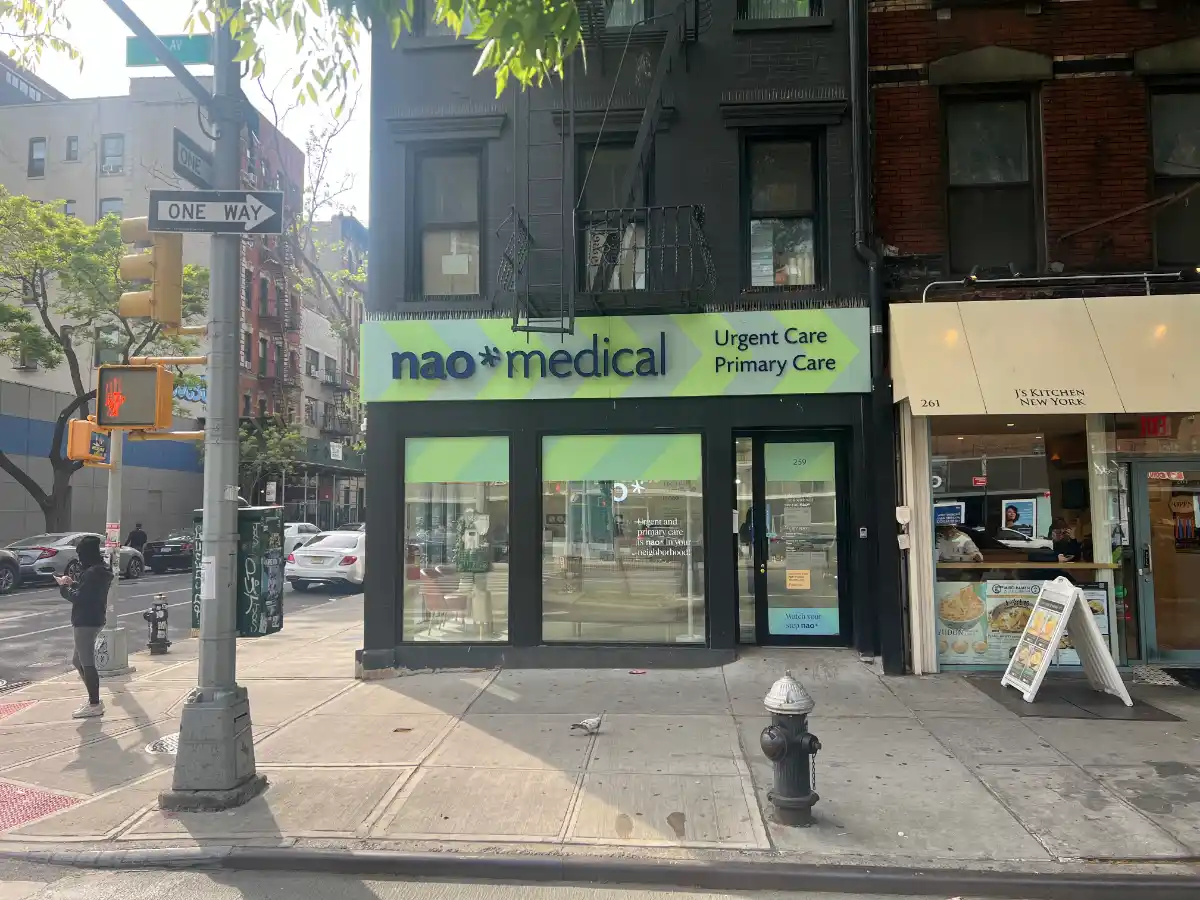
Manhattan
259 1st Ave, New York, NY 10003
StuyTown can help patients review addiction medicine options, insurance, counseling fit, medication needs, and local follow-up.
View addiction care details Get directions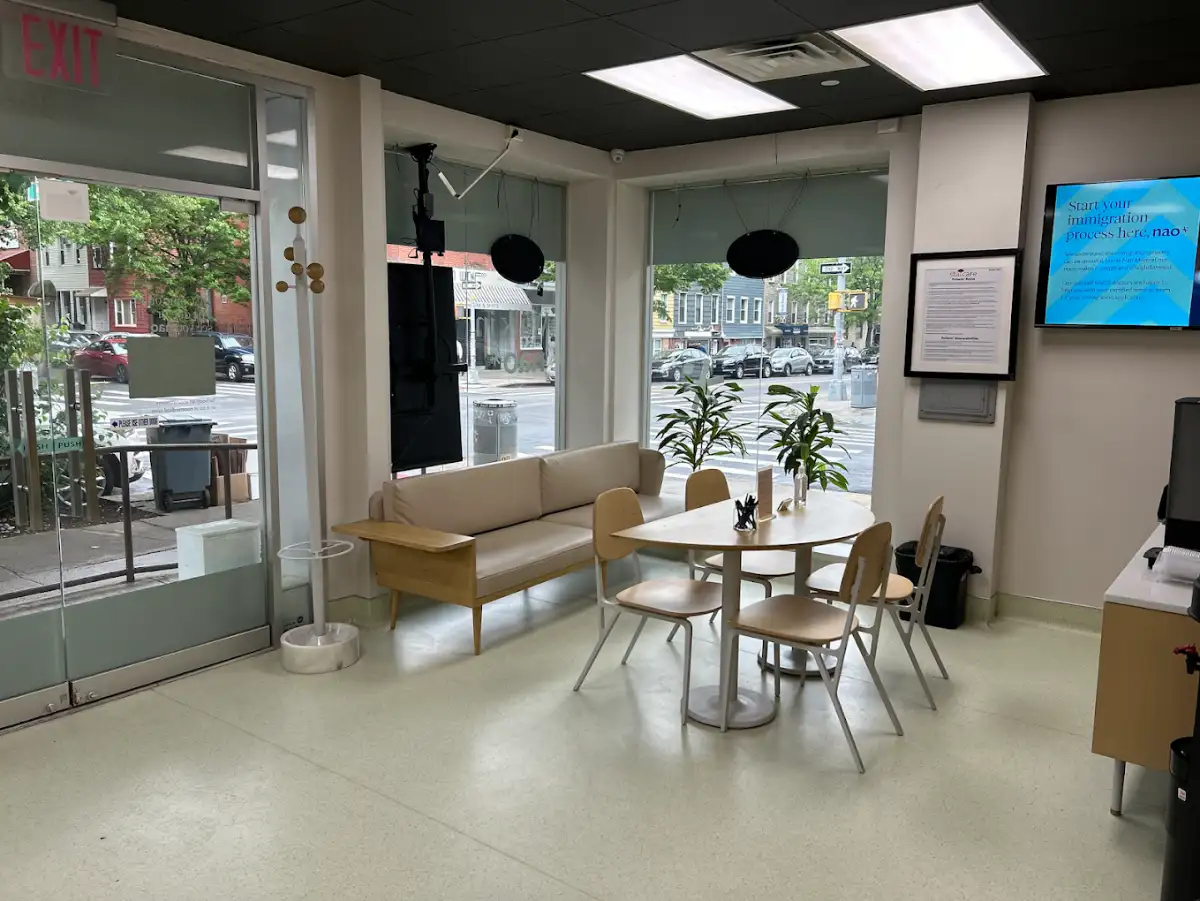
Brooklyn
308 Graham Ave, Brooklyn, NY 11211
Williamsburg can help patients review addiction medicine options, insurance, counseling fit, medication needs, and local follow-up.
View addiction care details Get directionsBook drug addiction treatment in NYC and Long Island with Nao Medical for opioid, cocaine, stimulant, cannabis, benzodiazepine, prescription medication, and polysubstance concerns.
Review cocaine addiction treatment in NYC with Nao Medical, including counseling, relapse prevention, co-occurring mental health, drug testing, insurance, and outpatient follow-up.
Book stimulant addiction treatment review in NYC for cocaine, methamphetamine, Adderall misuse, prescription stimulants, cravings, sleep problems, anxiety, and relapse prevention.
Review benzodiazepine addiction treatment in NYC for Xanax, Klonopin, Ativan, Valium, withdrawal safety, anxiety, sleep, medication review, and referral needs.
Review prescription drug addiction treatment in NYC for opioids, benzodiazepines, stimulants, sleep medications, medication misuse, withdrawal risk, insurance, and counseling.
Book heroin addiction treatment review in NYC with Nao Medical for MAT, Suboxone, buprenorphine, fentanyl exposure, naloxone, bridge visits, insurance, and local follow-up.
Review pain pill opioid addiction treatment in NYC for oxycodone, hydrocodone, Percocet, Vicodin, codeine, morphine, Suboxone, buprenorphine, and naloxone.
Review kratom dependence treatment in NYC with Nao Medical for cravings, withdrawal symptoms, opioid overlap, mental-health concerns, counseling, safety planning, and follow-up.
Book polysubstance use treatment review in NYC for opioid, alcohol, benzodiazepine, stimulant, cannabis, prescription medication, and mixed-substance safety concerns.
Review substance use, safety, testing, documentation, treatment recommendations, insurance, and follow-up.
Review whether an OASAS-certified setting, specific credential, or written requirement may be needed.
Review court, attorney, probation, parole, agency, testing, and documentation requirements.
Review alcohol or drug-related driving requirements and what documentation or treatment may be needed.
Review medication continuity, counseling, cravings, relapse risk, and discharge instructions after detox.
Review Medicaid coverage for MAT visits, testing, counseling, medication, pharmacy benefits, and prior authorization.
Compare local outpatient addiction care access across NYC and Long Island.
Review outpatient addiction medicine when patients are comparing nearby rehab options.
Review scheduled outpatient addiction treatment, medication, counseling, testing, and follow-up.
Review urgent but non-emergency addiction medicine access and same-day limitations.
Review cost factors, insurance, Medicaid, medication, testing, and self-pay options.
Review privacy, self-pay, records release, employer, family, and third-party documentation questions.
Arrange an evaluation to discuss suitable care, preparation and follow-up with a clinician.