Overdose prevention
Naloxone and safety planning are important when opioid or fentanyl risk is present.

Using more than one substance can make treatment more complex. The first visit should clarify what is being used, timing, withdrawal risk, overdose risk, medication interactions, mental-health symptoms, and whether outpatient care is safe.
Coverage depends on your exact plan, clinician, location and service. Check participation and expected charges with the clinic and your insurer before booking.


Mental-health symptoms and substance-use problems can occur together. A useful evaluation looks at both, including how symptoms and use changed over time. Using several substances also creates treatment and safety needs that cannot be handled by choosing one medicine from a general list. The plan should coordinate the relevant clinicians and address immediate risk before longer-term goals.
Substances can cause, worsen or mask mental-health symptoms, and a separate disorder may also be present. Anxiety, low mood, trauma symptoms, ADHD, bipolar disorder or psychosis require careful assessment. Treating substance use does not guarantee that every psychiatric symptom resolves, and treating anxiety alone does not address every substance-use disorder.
Bring details of each substance and prescribed medicine, including alcohol, opioids, stimulants, cannabis and sedatives. The assessment reviews current symptoms, prior diagnoses, treatment response and safety. Having more than one condition is not a reason to give up on care. Severe intoxication, withdrawal, psychosis or inability to stay safe may require urgent treatment in a more monitored setting.
Describe which symptoms began before substance use, which change during intoxication or withdrawal and what persists between episodes. Bring psychiatric and addiction-treatment records if available. This helps the clinician avoid attributing every symptom to one cause without enough information.
Give an accurate list of sedating medicines, alcohol and opioids. Some combinations raise breathing and overdose risk; suddenly stopping alcohol or benzodiazepines can also be dangerous. The clinician chooses a safe sequence and setting rather than advising you to stop everything at once.
Discuss which clinician manages each prescription and how records will be shared with appropriate consent. Medication for OUD or AUD has a specific role and does not treat every other substance-use disorder. Psychiatric treatment may continue or change based on assessment. Behavioral care can address triggers shared by both conditions.
Set goals for use, sleep, mood and daily function. Clarify whom to call for side effects, worsening symptoms or an access gap. If the first plan does not adequately control risk, another level of care may be needed. Coordination should include a definite next appointment rather than only a referral list.
Bring medication bottles, recent changes, prior discharge instructions and the contact details of existing clinicians. Describe nonprescribed products and substances without assuming they are irrelevant because they are legal or natural. Ask how family can participate if you want support and what consent is needed. Explain housing, work and caregiving barriers that may affect the plan.
Call 911 or seek emergency care for overdose, severe breathing problems, seizure, severe confusion or an inability to remain safe. Dangerous mania, psychosis or major psychiatric worsening needs urgent assessment. Do not abruptly stop prescribed sedatives or OUD medication to simplify the medicine list. FDA supports careful management rather than automatically withholding buprenorphine solely because benzodiazepines are used.
Review the course of symptoms and substance use together. A positive or negative test does not explain the whole picture. The clinician may revise diagnoses or medicines as the history becomes clearer. Ask whether the clinicians have exchanged the information needed for safe prescribing. If coordination breaks down, raise the specific missing step, prescription or appointment.
Ask whether the service provides integrated care, coordinated referral or separate appointments. Ask which model the service provides. Confirm who manages ongoing prescriptions and urgent concerns, which therapies are available and how fees and coverage work across services. Do not assume one provider’s addiction webpage verifies every psychiatric specialty or program.
Polysubstance use means using more than one substance, together or during the same period. Alcohol, opioids and other sedatives can compound breathing and overdose risks, while withdrawal from different substances needs different treatment. Tell the clinician about every substance and prescription. The assessment should decide the safest setting and coordinate the conditions being treated rather than treating one test or medicine as the entire plan.
Nao Medical offers addiction-care assessment and ongoing support. A visit reviews the concern you want help with, current substance use, withdrawal or overdose risks, mental health and earlier treatment. The plan may include appropriate medicines, counseling, follow-up or referral to a more intensive program. Choose an addiction-care appointment and tell the team about any urgent withdrawal or safety concern. Outpatient care cannot replace emergency treatment or monitored withdrawal when those are needed.
Call 911 for slowed breathing, inability to wake, a seizure, severe confusion, chest pain or immediate danger. Use available naloxone for a suspected opioid overdose while emergency help is called. Severe alcohol or benzodiazepine withdrawal can be life-threatening and needs urgent assessment. A routine outpatient visit or medication for cravings is not a substitute for monitored withdrawal care.
Naloxone and safety planning are important when opioid or fentanyl risk is present.
Benzodiazepines with alcohol, opioids, or sedatives can increase overdose and withdrawal risk.
Alcohol withdrawal and relapse risk may need dedicated review when alcohol is part of the pattern.
Testing can clarify treatment monitoring, medication safety, documentation needs, and follow-up decisions.
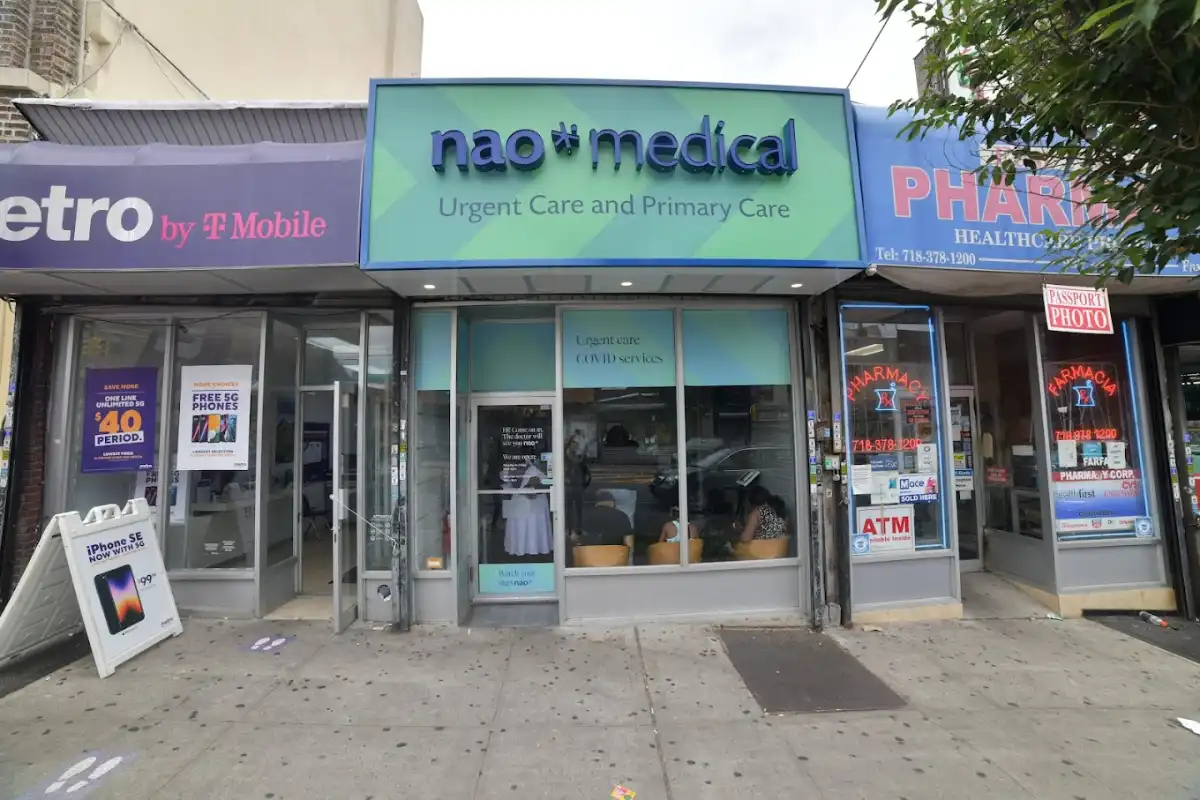
Bronx
932 E 174th St, Bronx, NY 10460
174th Street can help patients review addiction medicine options, insurance, counseling fit, medication needs, and local follow-up.
View addiction care details Get directions
Queens
37-15 23rd Ave, Astoria, NY 11105
Astoria can help patients review addiction medicine options, insurance, counseling fit, medication needs, and local follow-up.
View addiction care details Get directions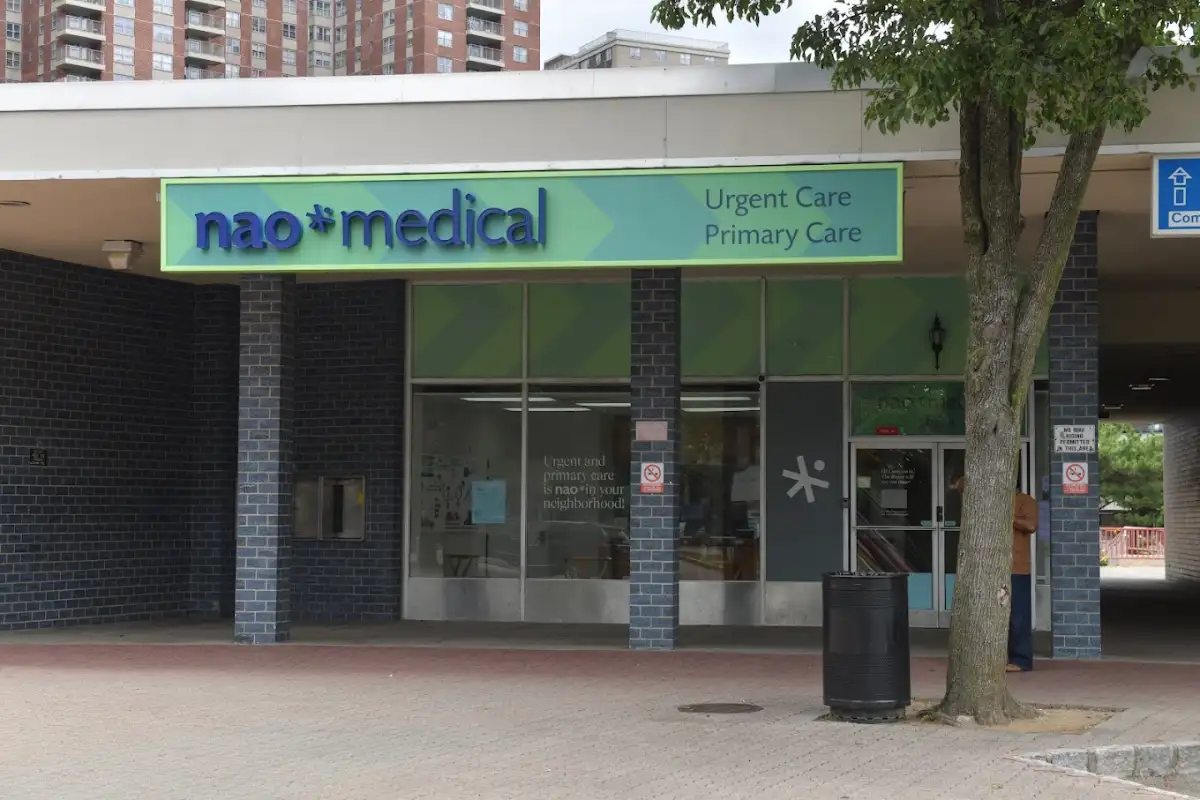
Bronx
2063A Bartow Ave, Bronx, NY 10475
Bartow Mall can help patients review addiction medicine options, insurance, counseling fit, medication needs, and local follow-up.
View addiction care details Get directions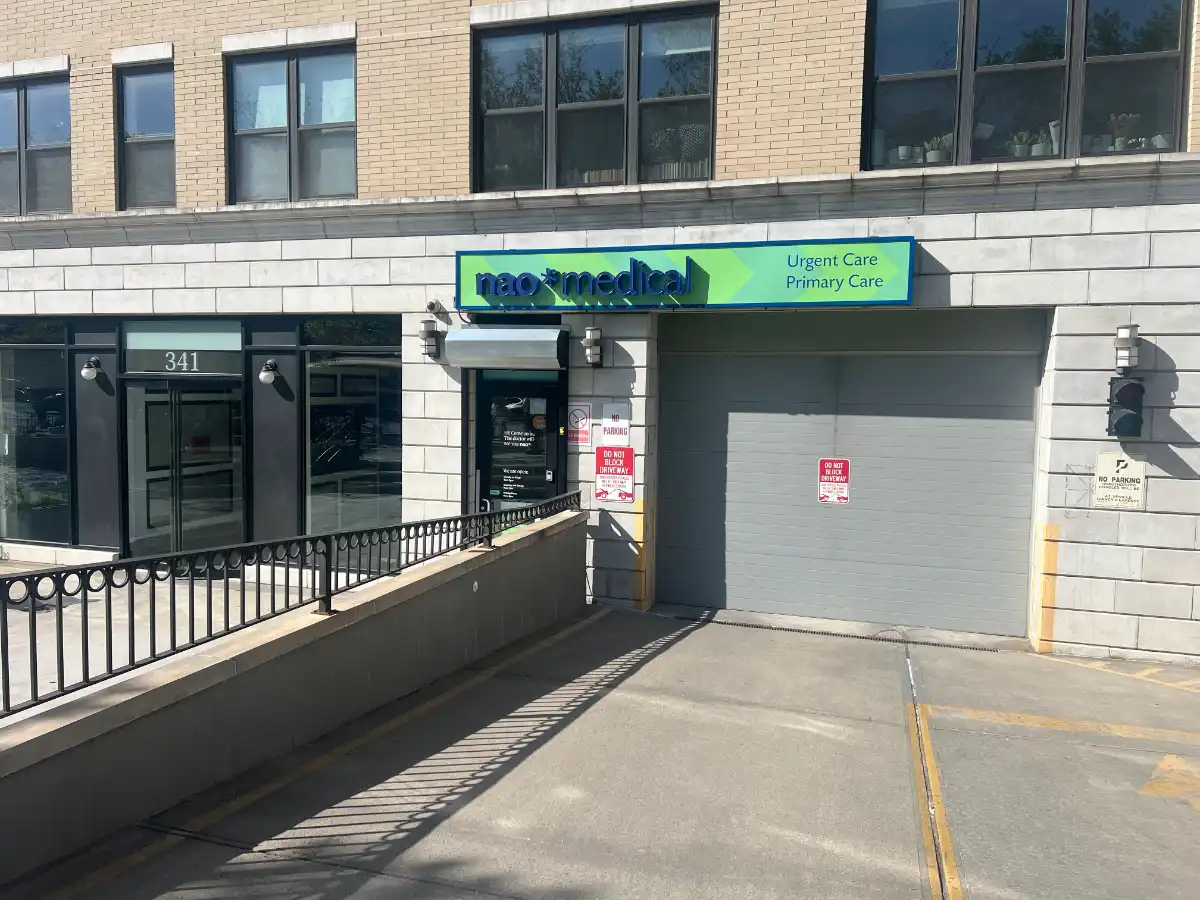
Brooklyn
341 Eastern Pkwy, Brooklyn, NY 11216
Crown Heights can help patients review addiction medicine options, insurance, counseling fit, medication needs, and local follow-up.
View addiction care details Get directions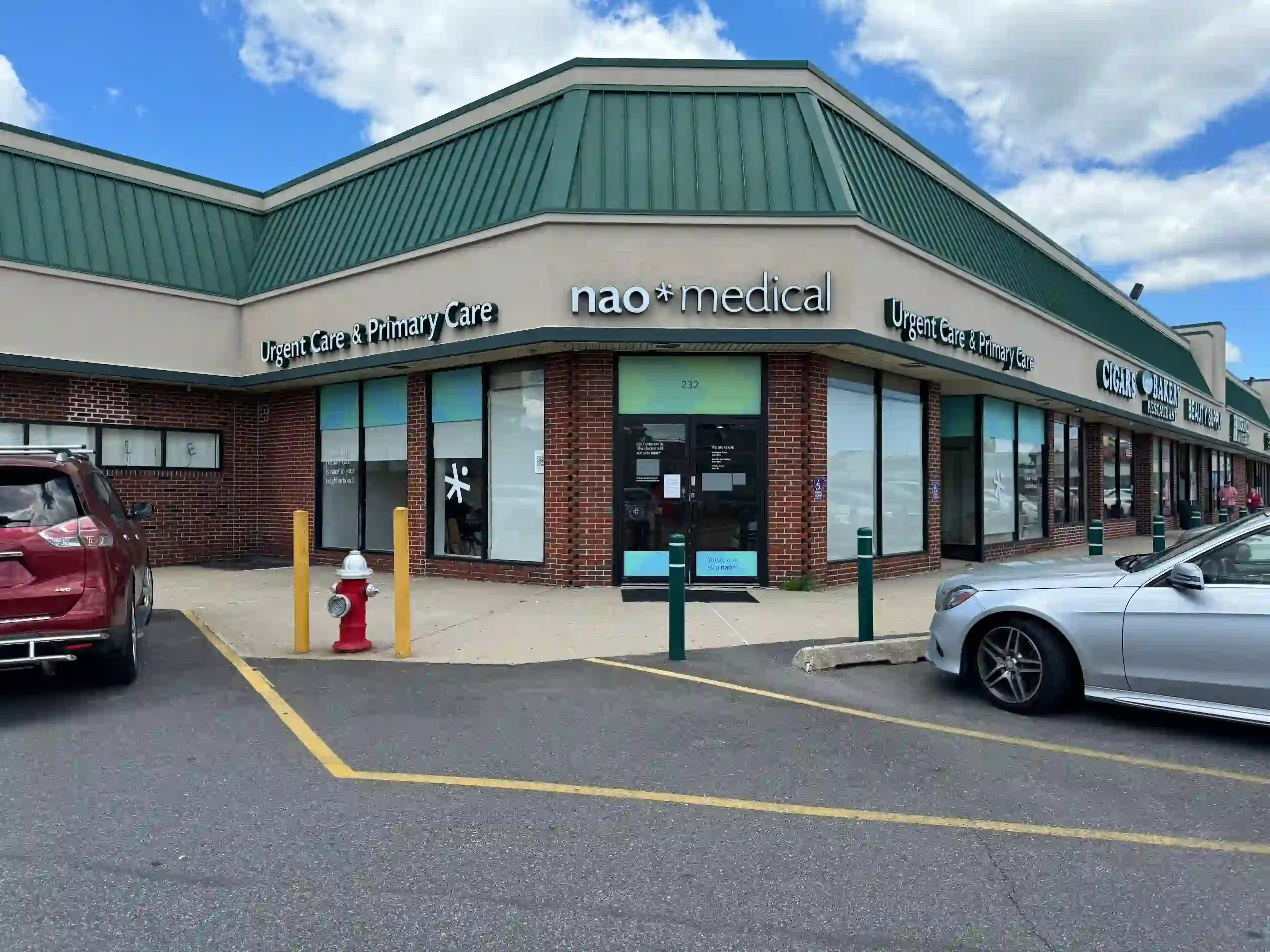
Long Island
232 W Old Country Rd, Hicksville, NY 11801
Hicksville can help patients review addiction medicine options, insurance, counseling fit, medication needs, and local follow-up.
View addiction care details Get directions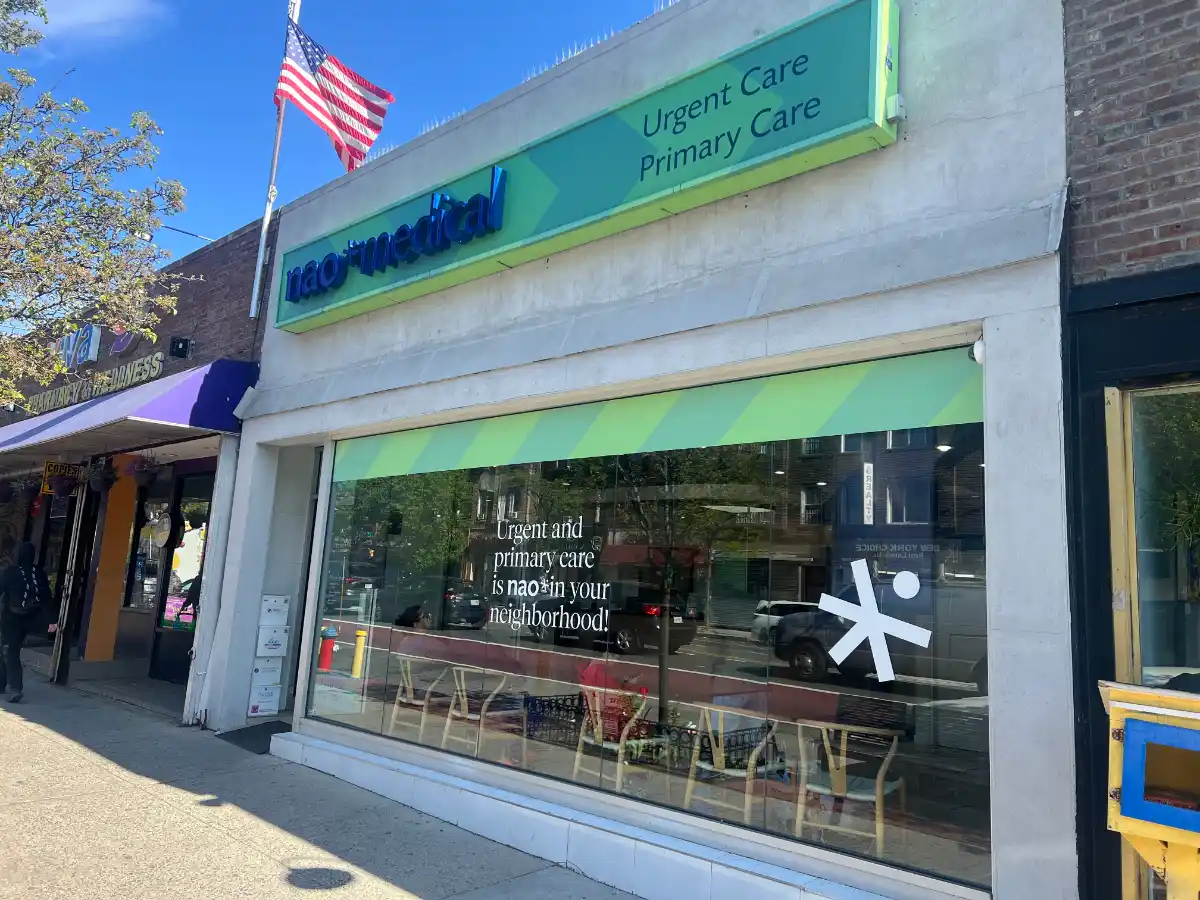
Queens
80-10 Northern Blvd, Jackson Heights, NY 11372
Jackson Heights can help patients review addiction medicine options, insurance, counseling fit, medication needs, and local follow-up.
View addiction care details Get directions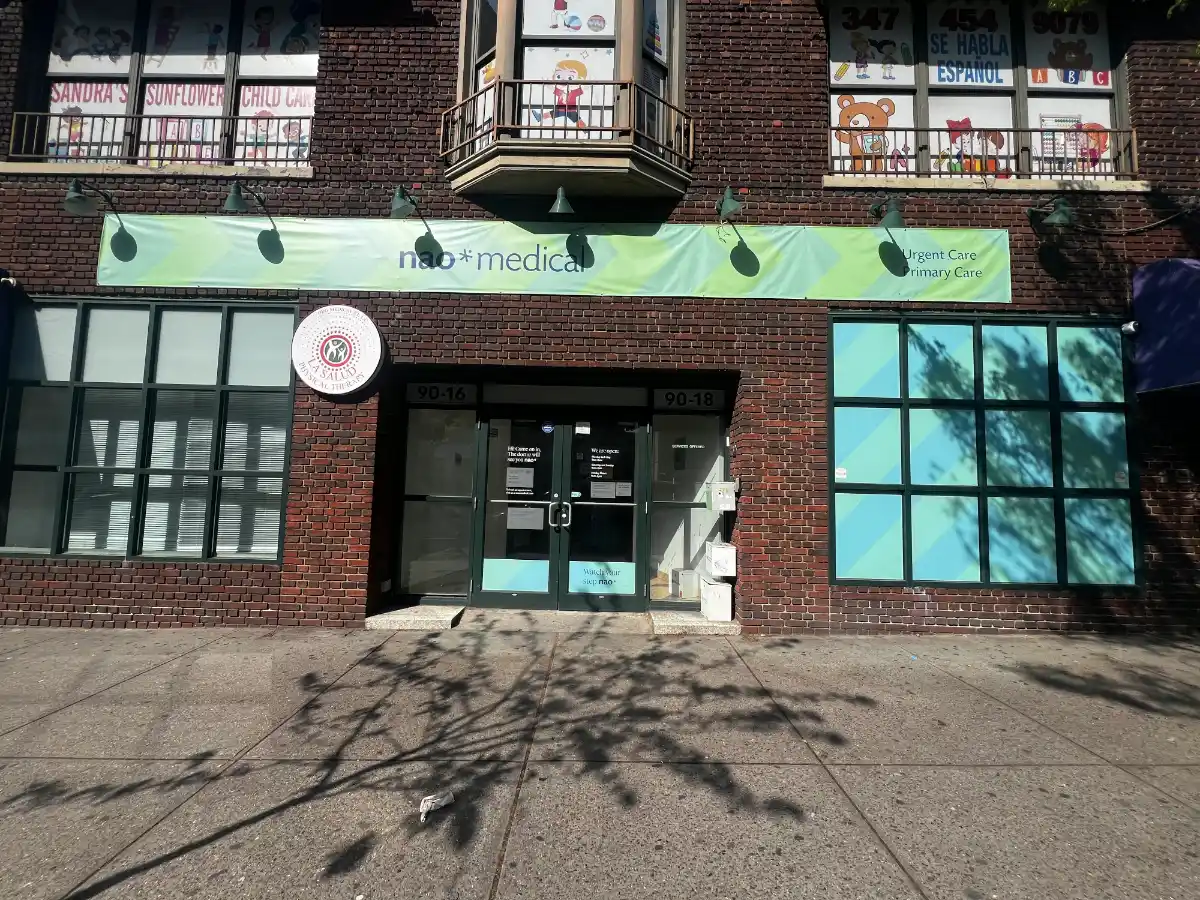
Queens
90-18 Sutphin Blvd, Jamaica, NY 11435
Jamaica can help patients review addiction medicine options, insurance, counseling fit, medication needs, and local follow-up.
View addiction care details Get directions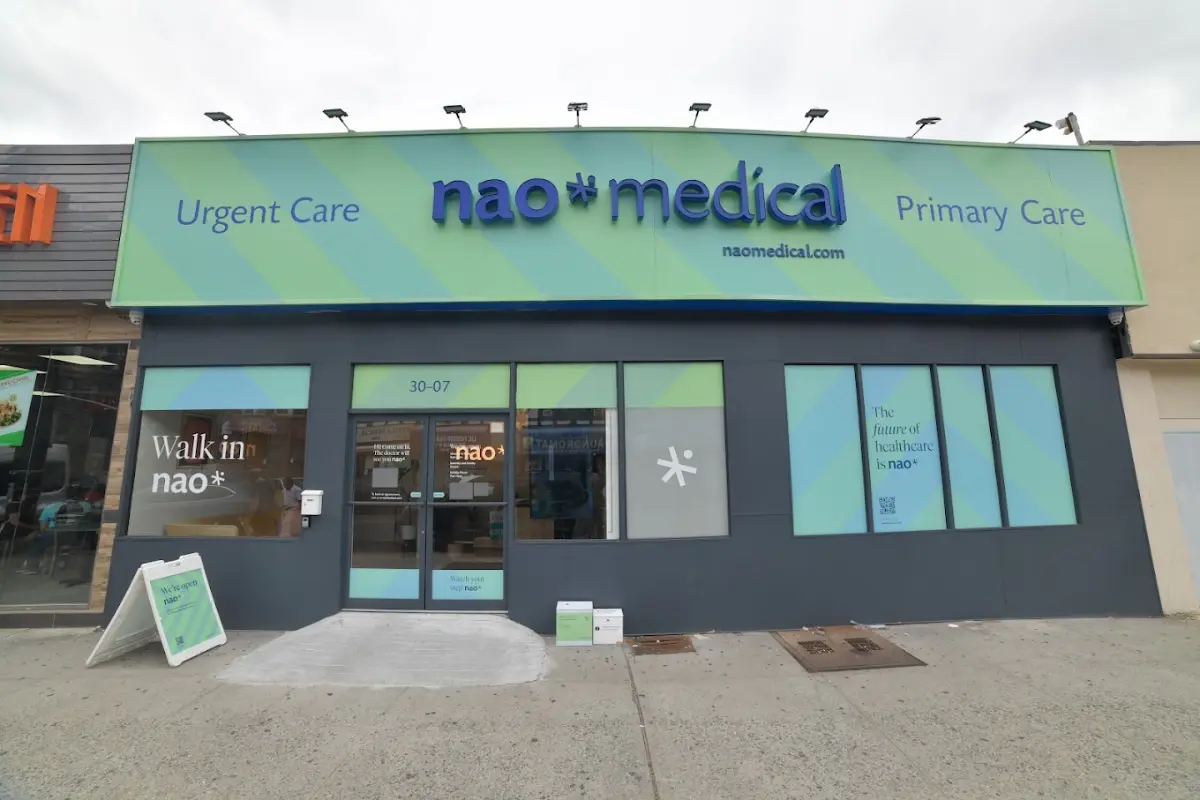
Queens
30-07 36th Ave, Astoria, NY 11106
Long Island City can help patients review addiction medicine options, insurance, counseling fit, medication needs, and local follow-up.
View addiction care details Get directions
Long Island
135 Mineola Blvd, Mineola, NY 11501
Mineola can help patients review addiction medicine options, insurance, counseling fit, medication needs, and local follow-up.
View addiction care details Get directions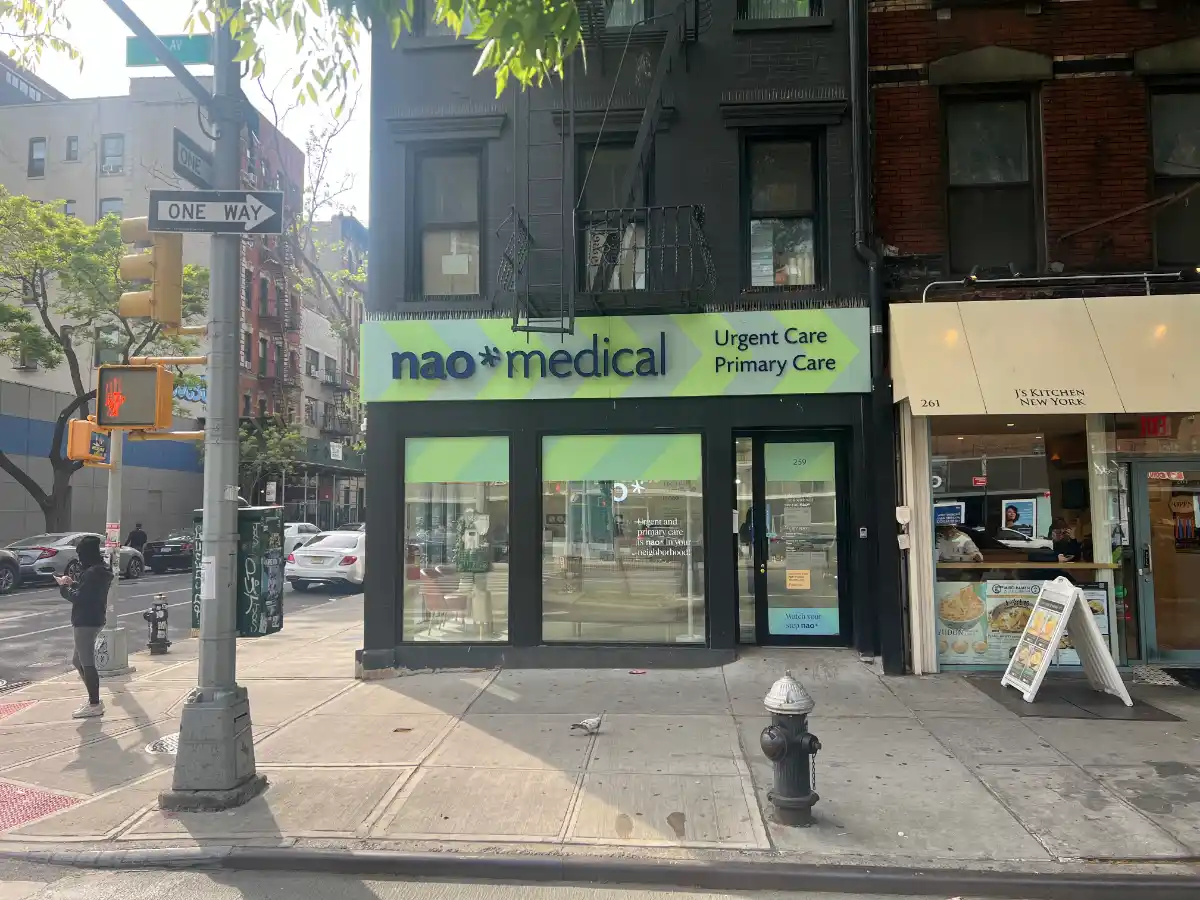
Manhattan
259 1st Ave, New York, NY 10003
StuyTown can help patients review addiction medicine options, insurance, counseling fit, medication needs, and local follow-up.
View addiction care details Get directions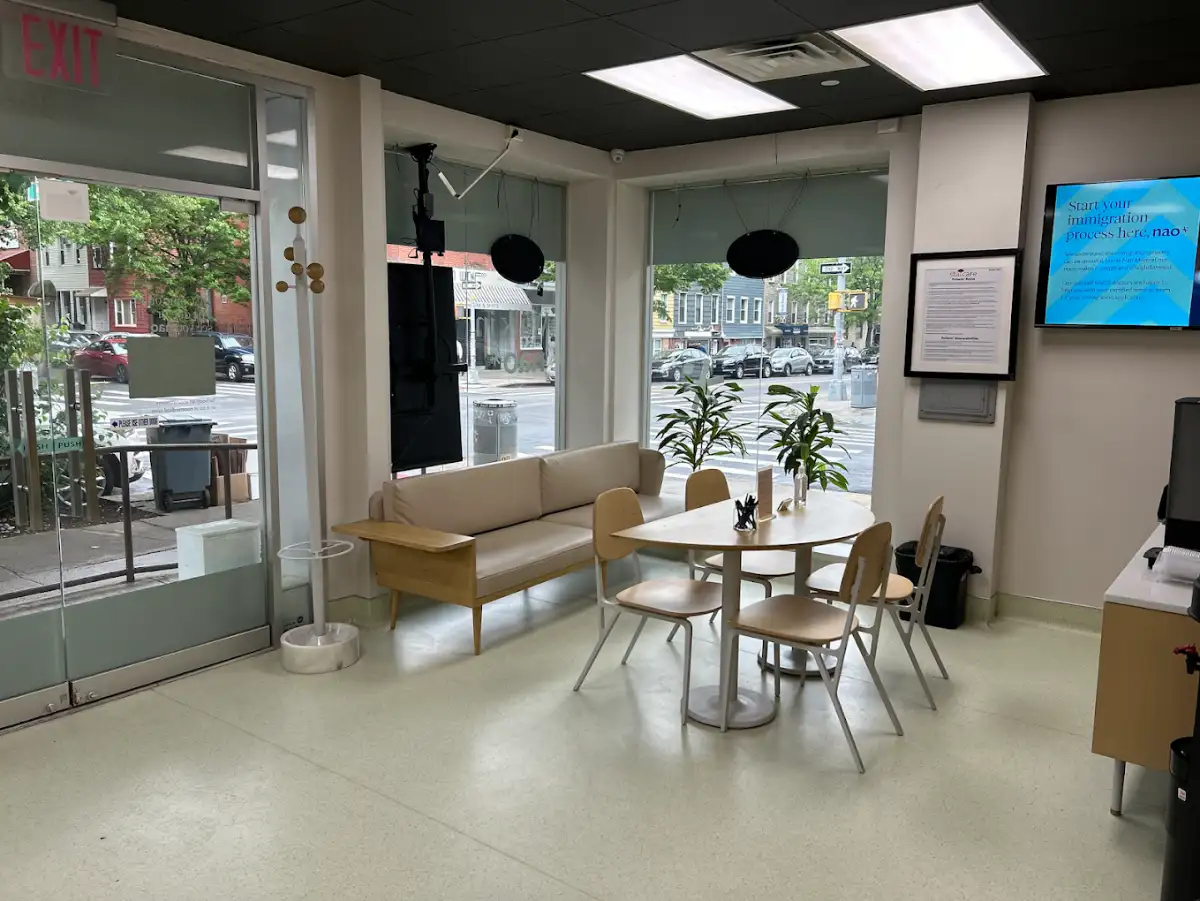
Brooklyn
308 Graham Ave, Brooklyn, NY 11211
Williamsburg can help patients review addiction medicine options, insurance, counseling fit, medication needs, and local follow-up.
View addiction care details Get directionsBook drug addiction treatment in NYC and Long Island with Nao Medical for opioid, cocaine, stimulant, cannabis, benzodiazepine, prescription medication, and polysubstance concerns.
Review cocaine addiction treatment in NYC with Nao Medical, including counseling, relapse prevention, co-occurring mental health, drug testing, insurance, and outpatient follow-up.
Book stimulant addiction treatment review in NYC for cocaine, methamphetamine, Adderall misuse, prescription stimulants, cravings, sleep problems, anxiety, and relapse prevention.
Review cannabis use disorder treatment in NYC with Nao Medical for marijuana use concerns, anxiety, sleep, school or work impact, counseling, family support, and mental-health care.
Review benzodiazepine addiction treatment in NYC for Xanax, Klonopin, Ativan, Valium, withdrawal safety, anxiety, sleep, medication review, and referral needs.
Review prescription drug addiction treatment in NYC for opioids, benzodiazepines, stimulants, sleep medications, medication misuse, withdrawal risk, insurance, and counseling.
Book heroin addiction treatment review in NYC with Nao Medical for MAT, Suboxone, buprenorphine, fentanyl exposure, naloxone, bridge visits, insurance, and local follow-up.
Review pain pill opioid addiction treatment in NYC for oxycodone, hydrocodone, Percocet, Vicodin, codeine, morphine, Suboxone, buprenorphine, and naloxone.
Review kratom dependence treatment in NYC with Nao Medical for cravings, withdrawal symptoms, opioid overlap, mental-health concerns, counseling, safety planning, and follow-up.
Review substance use, safety, testing, documentation, treatment recommendations, insurance, and follow-up.
Review whether an OASAS-certified setting, specific credential, or written requirement may be needed.
Review court, attorney, probation, parole, agency, testing, and documentation requirements.
Review alcohol or drug-related driving requirements and what documentation or treatment may be needed.
Review medication continuity, counseling, cravings, relapse risk, and discharge instructions after detox.
Review Medicaid coverage for MAT visits, testing, counseling, medication, pharmacy benefits, and prior authorization.
Compare local outpatient addiction care access across NYC and Long Island.
Review outpatient addiction medicine when patients are comparing nearby rehab options.
Review scheduled outpatient addiction treatment, medication, counseling, testing, and follow-up.
Review urgent but non-emergency addiction medicine access and same-day limitations.
Review cost factors, insurance, Medicaid, medication, testing, and self-pay options.
Review privacy, self-pay, records release, employer, family, and third-party documentation questions.
Arrange an evaluation to discuss suitable care, preparation and follow-up with a clinician.