Brixadi
Extended-release buprenorphine with weekly and monthly formulations, administered subcutaneously through a restricted REMS pathway.


Brixadi is an FDA-approved treatment for moderate to severe opioid use disorder. The first appointment is an evaluation, not an automatic injection. A clinician reviews current opioid and buprenorphine use, confirms tolerability, and coordinates the medication before an administration visit is scheduled.


Brixadi is a long-acting buprenorphine injection for adults with moderate to severe opioid use disorder. Weekly and monthly formulations give patients and prescribers different ways to organize continuing treatment. A healthcare provider gives the medicine under the skin. Your first appointment establishes whether an injection fits your clinical needs and how the medication and repeat visits will be arranged.
Buprenorphine partly activates opioid receptors to help control withdrawal and cravings. Brixadi releases it gradually. Weekly and monthly products use different formulations and strengths; they are not interchangeable by adding together their milligram amounts. The dose is selected from the appropriate labeled pathway and then reviewed against symptoms, side effects and treatment goals.
Patients already taking buprenorphine may be considered for weekly or monthly treatment. For people new to buprenorphine, the labeled pathway uses a transmucosal tolerability test followed by Brixadi weekly. Monthly initiation in new entrants has not been studied and is not the starting pathway described in the label. People with pre-existing moderate or severe liver impairment are not candidates for this depot. The evaluation also reviews breathing risks, pregnancy, other substances and medications. Tell the team about latex allergy because the product packaging contains a latex-related component.
Describe your current buprenorphine brand, route, strength and last dose. Include fentanyl or other opioid use, any missed doses and what you hope will be easier with an injection. A patient taking a low daily dose may have a different available pathway from someone taking a higher dose.
The clinician reviews the label for your current product and Brixadi. People entering buprenorphine treatment need withdrawal assessment and observation of the transmucosal test dose. The weekly starting plan can include more than one injection in the first week. Do not assume that weekly and monthly treatment begin with the same number of visits.
Ask which healthcare setting will receive and administer the medicine, who is handling authorization and when delivery is confirmed. Brixadi uses its own REMS distribution pathway and is not handed to you for retail pickup. Keep the current prescriber involved until responsibility for the next treatment step is clear.
Report withdrawal, cravings, sleep changes, constipation, sedation and continued opioid use. If symptoms are not controlled, the prescriber reviews the formulation, timing and other causes. Do not supplement with saved films, other opioids or an extra injection without instructions.
Bring treatment records, medication and allergy information, your preferred pharmacy details and any recent liver tests. Tell the clinician about alcohol, benzodiazepines, sedatives, pregnancy or breastfeeding and upcoming procedures. Discuss transport if a first dose makes you sleepy. Ask for the dates of the first follow-up and the route for contacting the prescriber before the next injection.
Brixadi has a boxed warning for serious harm or death with intravenous administration. Only a healthcare provider administers it under the skin through the restricted REMS program. Sedatives and alcohol increase respiratory risk. Do not drive or use machinery until you know how it affects you. Seek prompt review for worsening injection-site changes. If someone cannot be awakened or has slow breathing, use available opioid overdose-reversal medicine and call 911. Having an injection does not eliminate overdose risk.
Weekly injections are organized at seven-day intervals and monthly injections at twenty-eight-day intervals. The label allows specified scheduling windows, but the team should choose the actual date. If a visit is missed, contact the prescriber promptly. Changing formulation, switching to another injection or stopping requires a plan. Drug release and possible withdrawal can continue beyond the expected visit date, so follow-up may remain necessary for months after stopping.
Request the expected costs for medication, administration, evaluation and continuing visits separately. Confirm the medication acquisition route and coverage conditions before an injection date is treated as final. Ask who will help if your payer or pharmacy changes. Evaluation near home does not guarantee that the same site can administer every formulation on the requested day.
Brixadi is a long-acting buprenorphine injection for adults with moderate to severe opioid use disorder. Weekly and monthly formulations give patients and prescribers different ways to organize continuing treatment. A healthcare provider gives the medicine under the skin. Your first appointment establishes whether an injection fits your clinical needs and how the medication and repeat visits will be arranged.
Buprenorphine partly activates opioid receptors to help control withdrawal and cravings. Brixadi releases it gradually. Weekly and monthly products use different formulations and strengths; they are not interchangeable by adding together their milligram amounts. The dose is selected from the appropriate labeled pathway and then reviewed against symptoms, side effects and treatment goals.
Patients already taking buprenorphine may be considered for weekly or monthly treatment. For people new to buprenorphine, the labeled pathway uses a transmucosal tolerability test followed by Brixadi weekly. Monthly initiation in new entrants has not been studied and is not the starting pathway described in the label. People with pre-existing moderate or severe liver impairment are not candidates for this depot. The evaluation also reviews breathing risks, pregnancy, other substances and medications. Tell the team about latex allergy because the product packaging contains a latex-related component.
Brixadi is a long-acting buprenorphine injection for adults with moderate to severe opioid use disorder. Weekly and monthly formulations give patients and prescribers different ways to organize continuing treatment. A healthcare provider gives the medicine under the skin. Your first appointment establishes whether an injection fits your clinical needs and how the medication and repeat visits will be arranged.
Patients already taking buprenorphine may be considered for weekly or monthly treatment. For people new to buprenorphine, the labeled pathway uses a transmucosal tolerability test followed by Brixadi weekly. Monthly initiation in new entrants has not been studied and is not the starting pathway described in the label. People with pre-existing moderate or severe liver impairment are not candidates for this depot. The evaluation also reviews breathing risks, pregnancy, other substances and medications. Tell the team about latex allergy because the product packaging contains a latex-related component.
Describe your current buprenorphine brand, route, strength and last dose. Include fentanyl or other opioid use, any missed doses and what you hope will be easier with an injection. A patient taking a low daily dose may have a different available pathway from someone taking a higher dose.
The clinician reviews the label for your current product and Brixadi. People entering buprenorphine treatment need withdrawal assessment and observation of the transmucosal test dose. The weekly starting plan can include more than one injection in the first week. Do not assume that weekly and monthly treatment begin with the same number of visits.
Ask which healthcare setting will receive and administer the medicine, who is handling authorization and when delivery is confirmed. Brixadi uses its own REMS distribution pathway and is not handed to you for retail pickup. Keep the current prescriber involved until responsibility for the next treatment step is clear.
Report withdrawal, cravings, sleep changes, constipation, sedation and continued opioid use. If symptoms are not controlled, the prescriber reviews the formulation, timing and other causes. Do not supplement with saved films, other opioids or an extra injection without instructions.
Weekly injections are organized at seven-day intervals and monthly injections at twenty-eight-day intervals. The label allows specified scheduling windows, but the team should choose the actual date. If a visit is missed, contact the prescriber promptly. Changing formulation, switching to another injection or stopping requires a plan. Drug release and possible withdrawal can continue beyond the expected visit date, so follow-up may remain necessary for months after stopping.
Both are provider-administered long-acting buprenorphine medicines for OUD, but Brixadi has weekly and monthly formulations and Sublocade uses its own monthly regimen. Their strengths, initiation, dosing and missed-dose instructions are different. Brixadi's new-entrant pathway uses a transmucosal test dose followed by weekly treatment. Monthly Brixadi initiation in new entrants is not the labeled pathway. The clinician must write a product-specific plan. Do not exchange products or strengths yourself.
Have your insurance card ready when booking. Share member details through the clinic’s confirmed secure intake process. Check with the clinic and your insurer that the exact plan covers the clinician and requested service. Ask about visit charges, any separately billed tests or medicines, and any referral or authorization requirement. Coverage and your copay or deductible depend on the plan; request a written estimate if paying yourself.
Buprenorphine can cause constipation, nausea, headache, sweating or sleepiness. Injections can also cause local pain, itching, redness or swelling; worsening pain, drainage or skin breakdown needs assessment. Serious risks include slowed breathing, especially with alcohol or sedatives, allergic reactions and liver problems. Do not drive until you know the effect. Call 911 for slow breathing or inability to wake. Oral formulations also require dental-care precautions. Report the exact product and symptoms; do not supplement or change doses yourself.
Tell every surgeon, dentist and treating clinician that you receive Brixadi and give the last injection date and formulation. Buprenorphine can change how pain medicines work, and the depot cannot be quickly removed. The label calls for coordinated pain care. Non-opioid approaches may be used, and opioid treatment, when required, needs appropriately trained care and monitoring. Do not stop treatment, add opioids or use an old film to design your own plan.
Yes, discuss access to naloxone or another suitable opioid overdose-reversal medicine while receiving Brixadi, and teach people who may help how to use the exact product. Buprenorphine treatment does not eliminate overdose risk, particularly with alcohol, sedatives or other opioids. For slow breathing or inability to wake, give available reversal medicine according to its directions and call 911. Emergency assessment remains necessary.
Weekly injections are organized at seven-day intervals and monthly injections at twenty-eight-day intervals. The label allows specified scheduling windows, but the team should choose the actual date. If a visit is missed, contact the prescriber promptly. Changing formulation, switching to another injection or stopping requires a plan. Drug release and possible withdrawal can continue beyond the expected visit date, so follow-up may remain necessary for months after stopping.
Brixadi has a boxed warning for serious harm or death with intravenous administration. Only a healthcare provider administers it under the skin through the restricted REMS program. Sedatives and alcohol increase respiratory risk. Do not drive or use machinery until you know how it affects you. Seek prompt review for worsening injection-site changes. If someone cannot be awakened or has slow breathing, use available opioid overdose-reversal medicine and call 911. Having an injection does not eliminate overdose risk.
Patients already receiving buprenorphine may be considered for monthly treatment. For new entrants, the label describes a transmucosal test followed by weekly Brixadi; monthly initiation in new entrants has not been studied. Your prescriber must confirm which situation applies.
No. Brixadi contains buprenorphine without naloxone. Suboxone contains both buprenorphine and naloxone, so the ingredient lists differ. Brixadi is still an opioid medicine and does not prevent every overdose. Ask about keeping a separate overdose-reversal medicine available; the absence of naloxone in Brixadi does not mean rescue treatment is unnecessary.
Longer than the weekly or monthly appointment interval. After repeated treatment has reached steady levels, buprenorphine may remain detectable in blood for about one month after stopping weekly Brixadi. For monthly Brixadi, the label describes about four months. These estimates do not predict a urine-test result; the label says that relationship is unknown. Arrange follow-up when stopping because withdrawal can be delayed. Tell clinicians about the last injection before other opioid treatment or pain care.
Yes. Brixadi contains buprenorphine, a Schedule III controlled opioid in the United States. It can cause physical dependence and can be misused. Prescribed OUD treatment and physical dependence are not automatically the same as uncontrolled addiction. Brixadi is supplied through its restricted REMS program and administered by a healthcare provider; it is not a take-home injection.
Both contain buprenorphine. Do not add saved Suboxone films to Brixadi without instructions from the treating prescriber. The Brixadi label describes a supervised transmucosal test dose for a new start. It also describes conversion for patients already taking buprenorphine. Those steps differ from routinely taking both products on your own. If withdrawal or cravings persist, contact the prescriber to review the formulation, injection timing and treatment plan.
Brixadi contains an opioid, so intoxication or unusual sleepiness is possible. The treatment goal is control of withdrawal and cravings with daily functioning, not feeling high. Tell the prescriber about sedation or impaired function. Alcohol and other sedatives can increase serious breathing risks. Do not drive while impaired. Call 911 if someone has slow breathing or cannot be awakened, and use available overdose-reversal medicine under its instructions.
The label specifies controlled room-temperature storage at 68–77°F (20–25°C). It permits excursions to 59–86°F (15–30°C), rather than refrigerated storage. The certified pharmacy and healthcare setting handle its storage and administration. Patients should not collect, store or inject the depot at home. If a delivery or temperature concern affects an appointment, ask the receiving team to confirm that the medicine is usable before treatment.
Extended-release buprenorphine with weekly and monthly formulations, administered subcutaneously through a restricted REMS pathway.
Once-monthly extended-release buprenorphine administered subcutaneously through its own restricted REMS pathway.
Medication taken under the tongue or inside the cheek, with flexible dose adjustment and regular prescribing follow-up.
Monthly extended-release naltrexone, an opioid antagonist that requires an opioid-free period before treatment for opioid use disorder.

Bronx
932 E 174th St, Bronx, NY 10460
Choose this clinic for the initial addiction medicine evaluation. Medication approval, certified-pharmacy delivery, and injection timing are coordinated after clinical review.

Queens
37-15 23rd Ave, Astoria, NY 11105
Choose this clinic for the initial addiction medicine evaluation. Medication approval, certified-pharmacy delivery, and injection timing are coordinated after clinical review.

Bronx
2063A Bartow Ave, Bronx, NY 10475
Choose this clinic for the initial addiction medicine evaluation. Medication approval, certified-pharmacy delivery, and injection timing are coordinated after clinical review.
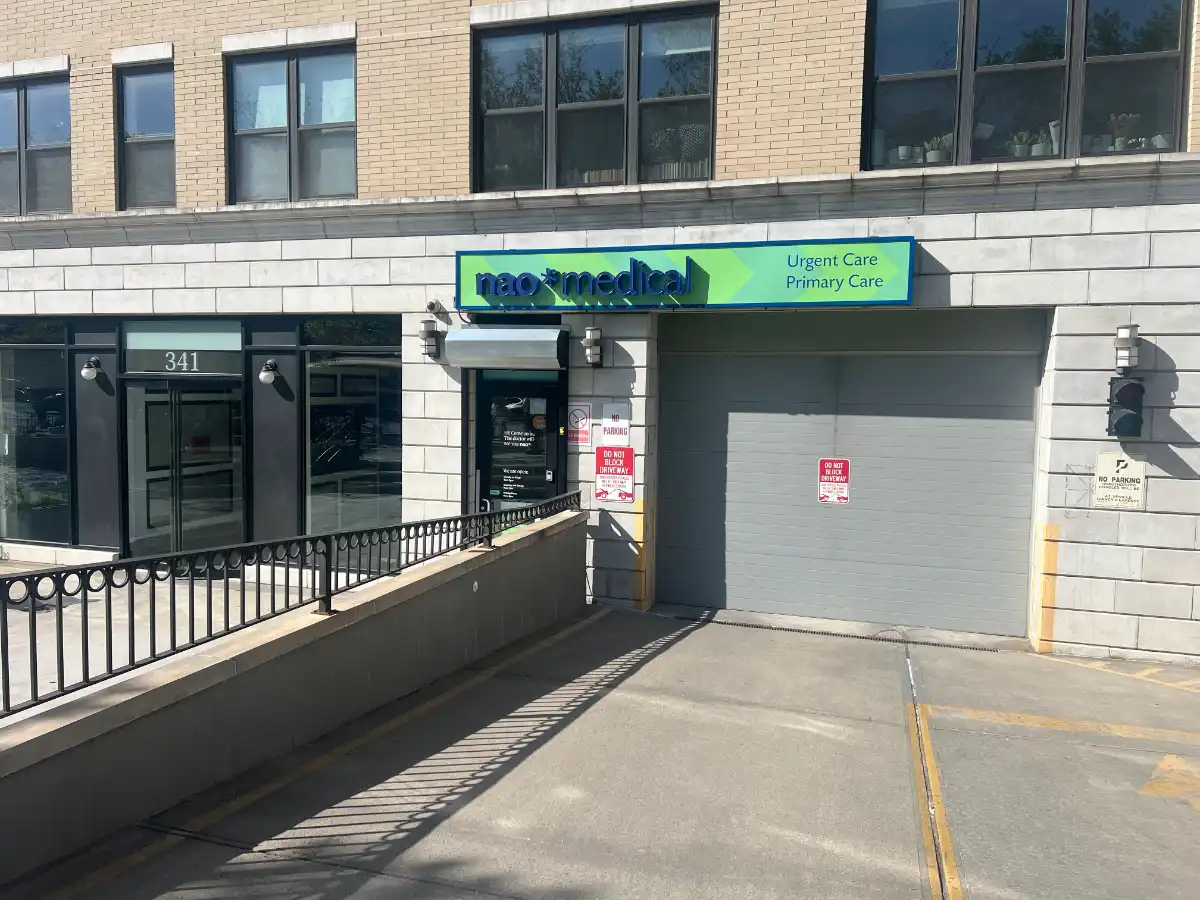
Brooklyn
341 Eastern Pkwy, Brooklyn, NY 11216
Choose this clinic for the initial addiction medicine evaluation. Medication approval, certified-pharmacy delivery, and injection timing are coordinated after clinical review.

Long Island
232 W Old Country Rd, Hicksville, NY 11801
Choose this clinic for the initial addiction medicine evaluation. Medication approval, certified-pharmacy delivery, and injection timing are coordinated after clinical review.
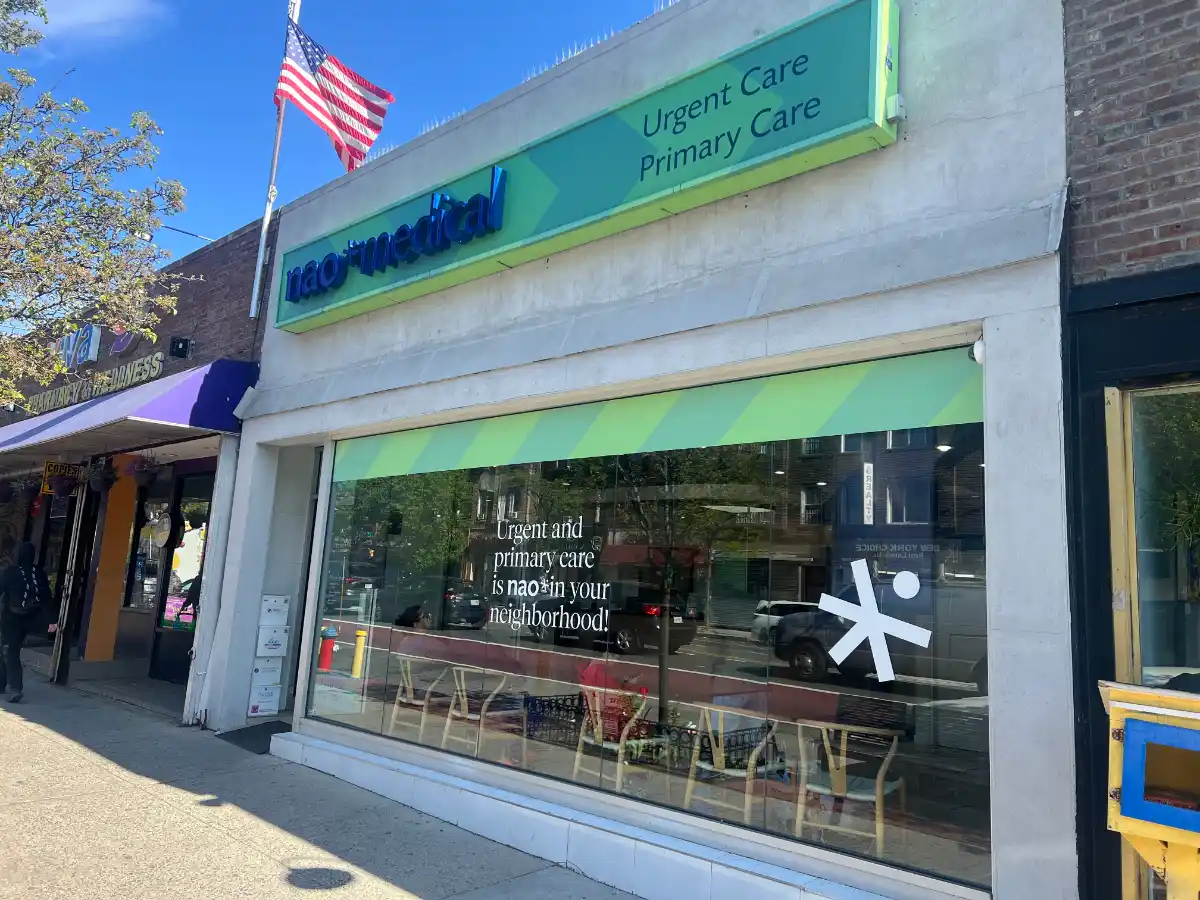
Queens
80-10 Northern Blvd, Jackson Heights, NY 11372
Choose this clinic for the initial addiction medicine evaluation. Medication approval, certified-pharmacy delivery, and injection timing are coordinated after clinical review.
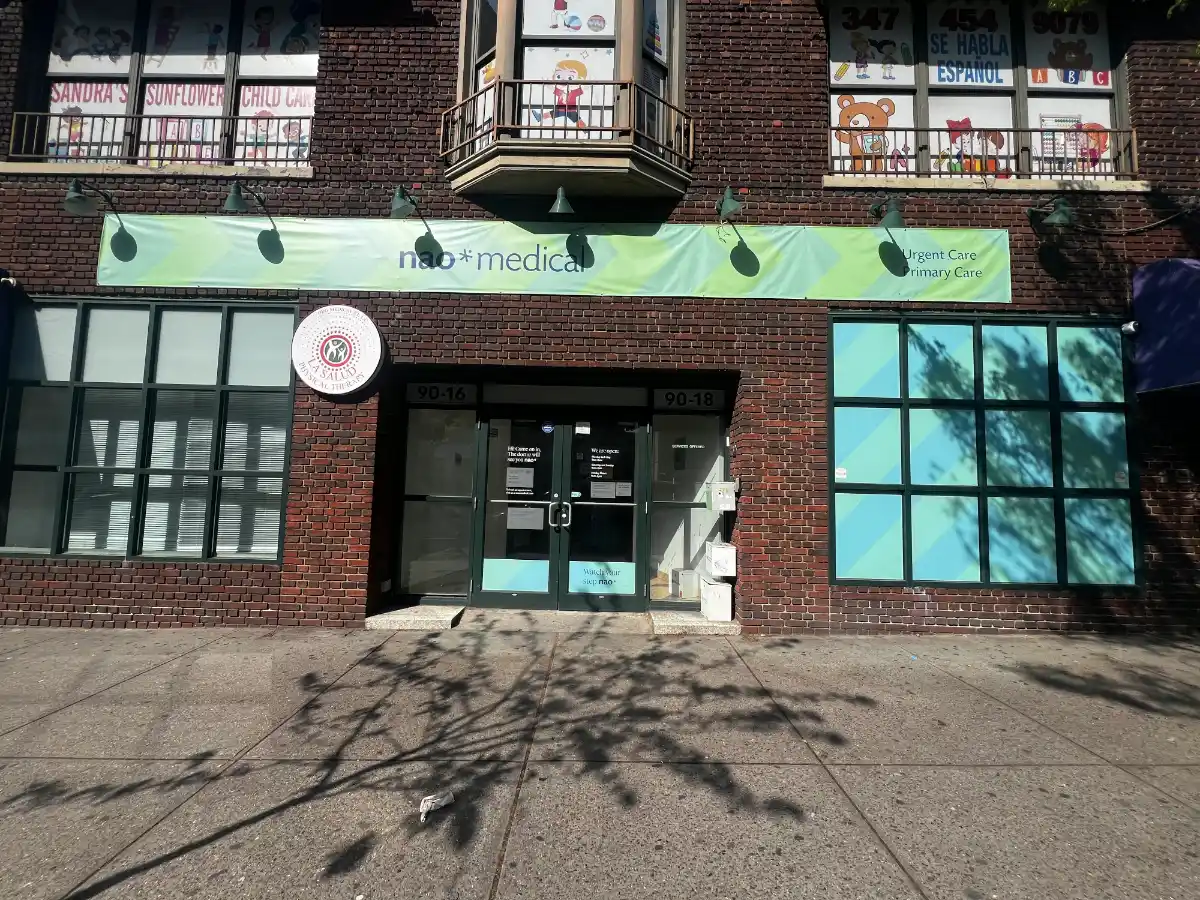
Queens
90-18 Sutphin Blvd, Jamaica, NY 11435
Choose this clinic for the initial addiction medicine evaluation. Medication approval, certified-pharmacy delivery, and injection timing are coordinated after clinical review.

Queens
30-07 36th Ave, Astoria, NY 11106
Choose this clinic for the initial addiction medicine evaluation. Medication approval, certified-pharmacy delivery, and injection timing are coordinated after clinical review.

Long Island
135 Mineola Blvd, Mineola, NY 11501
Choose this clinic for the initial addiction medicine evaluation. Medication approval, certified-pharmacy delivery, and injection timing are coordinated after clinical review.

Manhattan
259 1st Ave, New York, NY 10003
Choose this clinic for the initial addiction medicine evaluation. Medication approval, certified-pharmacy delivery, and injection timing are coordinated after clinical review.
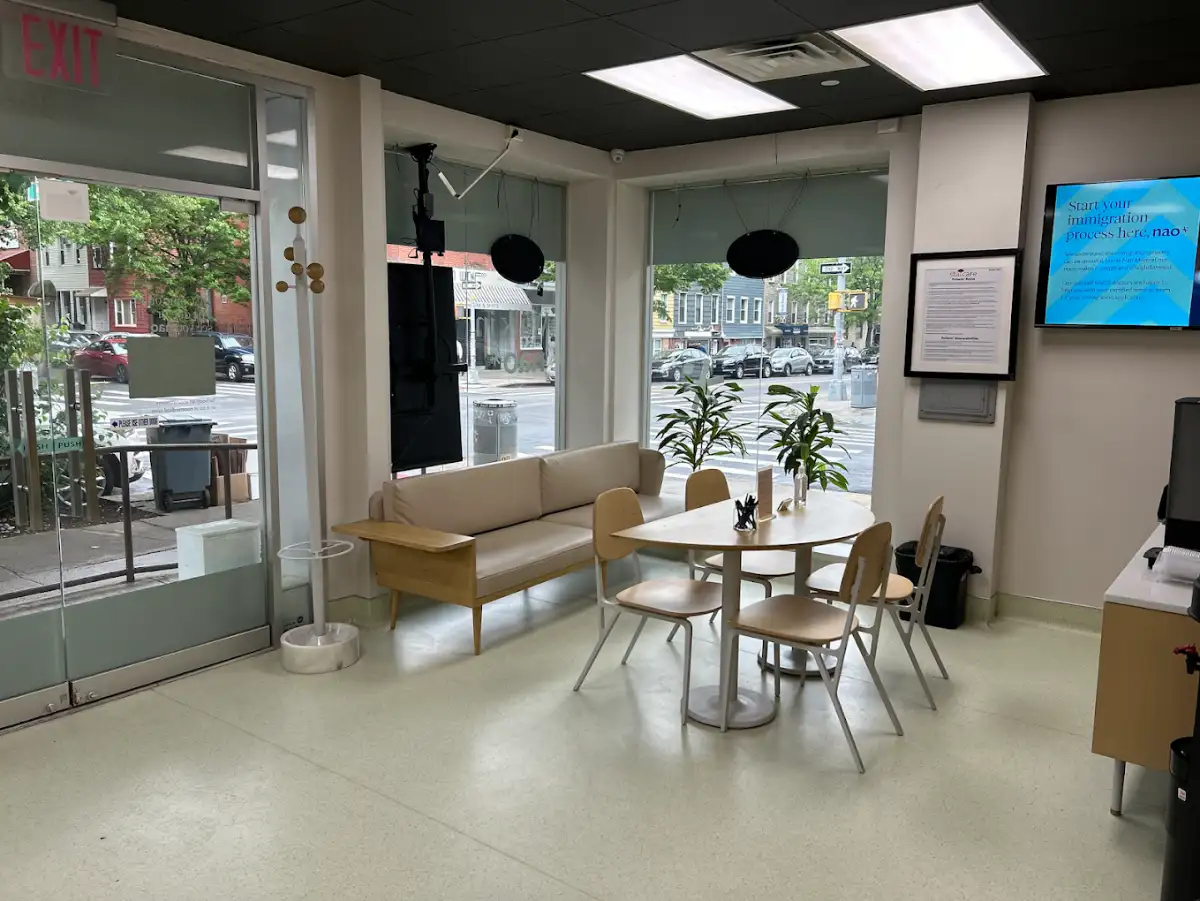
Brooklyn
308 Graham Ave, Brooklyn, NY 11211
Choose this clinic for the initial addiction medicine evaluation. Medication approval, certified-pharmacy delivery, and injection timing are coordinated after clinical review.
Evaluation of oral and long-acting buprenorphine options for opioid use disorder.
Buprenorphine-naloxone evaluation, medication planning, and ongoing follow-up.
Monthly extended-release buprenorphine evaluation, access coordination, and in-clinic administration planning.
Extended-release naltrexone evaluation for opioid or alcohol use disorder when clinically appropriate.
Fast assessment without promising that medication can or should start before timing and safety are reviewed.
Assessment of withdrawal, product type, 7-OH exposure, opioid overlap, and appropriate next steps.
The current FDA-approved indication, dosing, boxed warning, REMS, and safety information.
The current label and patient medication guide in an accessible web format.
New York guidance on prescribing, certified pharmacy delivery, storage, administration, and coverage.
Nao Medical provides outpatient addiction care. The first visit can focus on the immediate clinical question and medication planning when relevant. When wanted or clinically recommended, the care plan can also include counseling, recovery support, and closer follow-up. Related information: outpatient addiction care.
Patients who want more support can add counseling, relapse-prevention work, care coordination, and recovery follow-up through the outpatient addiction program.
Coverage depends on your exact plan, clinician, location and service. Check participation and expected charges with the clinic and your insurer before booking. Review addiction-treatment insurance support
Content was updated August 2, 2026 from the cited sources and Nao Medical's current service information. Medical guidance, prescribing information, medication availability, and insurance rules can change. A licensed clinician must confirm current information and determine each patient's eligibility, testing, treatment, administration setting, and follow-up. Call 911 for a medical emergency. Contact Nao Medical with a question or correction.