Alcohol medication
Compare acamprosate with naltrexone, Vivitrol, and disulfiram.


Medication decisions require clinical review. A medication that helps one person may be unsafe for another. The review considers recent substance use, withdrawal timing, pregnancy, liver or kidney disease, seizure history, opioid exposure, psychiatric symptoms, current prescriptions, and overdose risk.
Coverage depends on your exact plan, clinician, location and service. Check participation and expected charges with the clinic and your insurer before booking.


Acamprosate is a prescription medicine used to help maintain alcohol abstinence after a person has stopped drinking and withdrawal has been addressed. It may fit someone whose goal is to remain alcohol-free and who can manage tablets several times a day. The evaluation checks kidney function, current symptoms and practical adherence before deciding whether it is appropriate.
Acamprosate is thought to affect brain signaling disrupted by chronic alcohol use; its exact mechanism is not fully established. It does not cause the alcohol-deterrent reaction associated with disulfiram and does not block opioid pain medicines like naltrexone. It is not a rescue medicine for intoxication, a treatment for dangerous withdrawal or a promise that all urges will disappear.
The labeled treatment population has achieved alcohol abstinence at the start. A clinician first assesses whether ongoing withdrawal or another illness needs care. Kidney function is a central safety check because the medicine is cleared through the kidneys. Severe renal impairment is a contraindication, and moderate impairment requires a different prescription. Tell the clinician about pregnancy or breastfeeding, mood changes, other medicines and previous reactions.
Bring details of recent drinking, the last drink and any detox or withdrawal care. Discuss shaking, sweating, nausea, insomnia or other current symptoms. The clinician decides whether these need further assessment before a maintenance medicine is started.
Bring recent blood tests if available and describe kidney disease or other medical conditions. A medication that is attractive because of liver or opioid-treatment concerns can still be unsuitable because of kidney function. Review alternatives alongside the actual test results.
Acamprosate delayed-release tablets are taken in divided doses across the day and swallowed whole. Ask how your prescribed schedule fits meals, work and travel. Use the actual pharmacy instructions. If remembering several doses is difficult, say so before treatment begins so the plan can address it.
Discuss triggers, sleep, stress and counseling or recovery support. Agree on what to do if you drink, miss doses or develop diarrhea. Follow-up should make it easy to report problems rather than leave you to decide that a single difficult day means the medicine has failed.
Bring a medication list, recent kidney tests, treatment records, allergies and a realistic description of your day. Tell the clinician if swallowing several tablets or using medicines at work is difficult. Ask for written missed-dose instructions and a follow-up date. Swallow delayed-release tablets whole; do not crush, split or chew them.
Diarrhea is a common adverse effect and may interfere with work or daily activities. Contact the team for persistent or severe diarrhea, inability to keep fluids down or other concerning symptoms. Report worsening depression, marked mood changes or thoughts of self-harm promptly. Seek emergency help if you cannot stay safe. Acamprosate does not make drinking harmless or prevent alcohol poisoning. Dangerous alcohol withdrawal requires separate care.
Record missed doses, drinking, cravings and side effects so the clinician can judge whether the plan is working. If alcohol use returns, the label allows continuing treatment while the clinician reviews the relapse; do not assume that you must abandon care. Review kidney testing when the clinician recommends it and whenever a relevant health change occurs. Treatment duration depends on goals, benefit and tolerability.
Ask the pharmacy about generic acamprosate coverage, supply and the number of tablets covered. Clarify evaluation, laboratory and follow-up costs separately. If the medicine is difficult to obtain or remember, ask about an alternative plan before a gap develops. A monthly injection may address a different medication need, so it should not be substituted solely because taking tablets is inconvenient.
Acamprosate is a prescription medicine used to help maintain alcohol abstinence after a person has stopped drinking and withdrawal has been addressed. It may fit someone whose goal is to remain alcohol-free and who can manage tablets several times a day. The evaluation checks kidney function, current symptoms and practical adherence before deciding whether it is appropriate.
Acamprosate is thought to affect brain signaling disrupted by chronic alcohol use; its exact mechanism is not fully established. It does not cause the alcohol-deterrent reaction associated with disulfiram and does not block opioid pain medicines like naltrexone. It is not a rescue medicine for intoxication, a treatment for dangerous withdrawal or a promise that all urges will disappear.
The labeled treatment population has achieved alcohol abstinence at the start. A clinician first assesses whether ongoing withdrawal or another illness needs care. Kidney function is a central safety check because the medicine is cleared through the kidneys. Severe renal impairment is a contraindication, and moderate impairment requires a different prescription. Tell the clinician about pregnancy or breastfeeding, mood changes, other medicines and previous reactions.
Acamprosate helps maintain alcohol abstinence in people who are abstinent when treatment begins, alongside psychosocial support. It does not treat acute alcohol withdrawal. Kidney function affects suitability and dosing; dangerous withdrawal requires the appropriate monitored care before relying on a relapse-prevention medicine.
Acamprosate is a prescription medicine used to help maintain alcohol abstinence after a person has stopped drinking and withdrawal has been addressed. It may fit someone whose goal is to remain alcohol-free and who can manage tablets several times a day. The evaluation checks kidney function, current symptoms and practical adherence before deciding whether it is appropriate.
The labeled treatment population has achieved alcohol abstinence at the start. A clinician first assesses whether ongoing withdrawal or another illness needs care. Kidney function is a central safety check because the medicine is cleared through the kidneys. Severe renal impairment is a contraindication, and moderate impairment requires a different prescription. Tell the clinician about pregnancy or breastfeeding, mood changes, other medicines and previous reactions.
Bring details of recent drinking, the last drink and any detox or withdrawal care. Discuss shaking, sweating, nausea, insomnia or other current symptoms. The clinician decides whether these need further assessment before a maintenance medicine is started.
Bring recent blood tests if available and describe kidney disease or other medical conditions. A medication that is attractive because of liver or opioid-treatment concerns can still be unsuitable because of kidney function. Review alternatives alongside the actual test results.
Acamprosate delayed-release tablets are taken in divided doses across the day and swallowed whole. Ask how your prescribed schedule fits meals, work and travel. Use the actual pharmacy instructions. If remembering several doses is difficult, say so before treatment begins so the plan can address it.
Discuss triggers, sleep, stress and counseling or recovery support. Agree on what to do if you drink, miss doses or develop diarrhea. Follow-up should make it easy to report problems rather than leave you to decide that a single difficult day means the medicine has failed.
Have your insurance card ready when booking. Share member details through the clinic’s confirmed secure intake process. Check with the clinic and your insurer that the exact plan covers the clinician and requested service. Ask about visit charges, any separately billed tests or medicines, and any referral or authorization requirement. Coverage and your copay or deductible depend on the plan; request a written estimate if paying yourself.
FDA-approved medications exist for opioid-use disorder (buprenorphine, methadone and naltrexone), alcohol-use disorder (naltrexone, acamprosate and disulfiram), and tobacco dependence (nicotine replacement, varenicline and bupropion SR). There is no FDA-approved medication specifically for cocaine, methamphetamine or cannabis-use disorder. Evidence-based behavioral care is important; selected off-label medicines require a clinician’s rationale. Hydrocodone, oxycodone, codeine and local anesthetics are not approved addiction-treatment substitutes.
Tell the prescriber when it began, how severe it is and whether you can keep fluids down. Diarrhea is a recognized adverse effect, but its course varies. The clinician can review the prescription and alternatives; do not invent a lower-dose plan from comments.
The label says steady blood levels are reached within about five days of regular dosing. That is a pharmacokinetic measure, not a guarantee that cravings stop on day five. Acamprosate supports continued abstinence after alcohol has been stopped, alongside psychosocial support. Review progress, adherence and side effects with the prescriber. Acamprosate does not treat acute alcohol withdrawal. If withdrawal causes severe confusion or a seizure, call 911 for emergency assessment.
No. The US drug label lists no DEA controlled-substance schedule. It is still a prescription medicine, with kidney-function precautions and other risks. Being uncontrolled does not mean it is suitable for everyone or that it can be used for alcohol detox without assessment.
Weight gain and weight loss were reported during treatment, particularly among people also taking antidepressants. Those reports do not establish that every weight change is caused by acamprosate or predict your result. Tell the clinician about the timing, other medicines, appetite and health changes so they can assess the cause and whether the treatment plan needs adjustment.
Sleepiness was reported during its clinical evaluation, so it is possible. The label does not establish that acamprosate caused every reported episode or how likely it is for you. Tell the prescriber about unusual drowsiness, alcohol or other medicines and when symptoms began. Avoid driving if impaired. Severe confusion, inability to wake or breathing difficulty needs emergency assessment.
Contact the clinician and report what happened. The label permits continuing acamprosate after relapse while the treatment plan is reviewed. It does not create an Antabuse-like alcohol reaction, but renewed drinking can still cause harm and withdrawal risk.
Compare acamprosate with naltrexone, Vivitrol, and disulfiram.
Review naltrexone for reducing alcohol-related reward or cravings.
Review deterrent medication when complete alcohol avoidance is the goal.
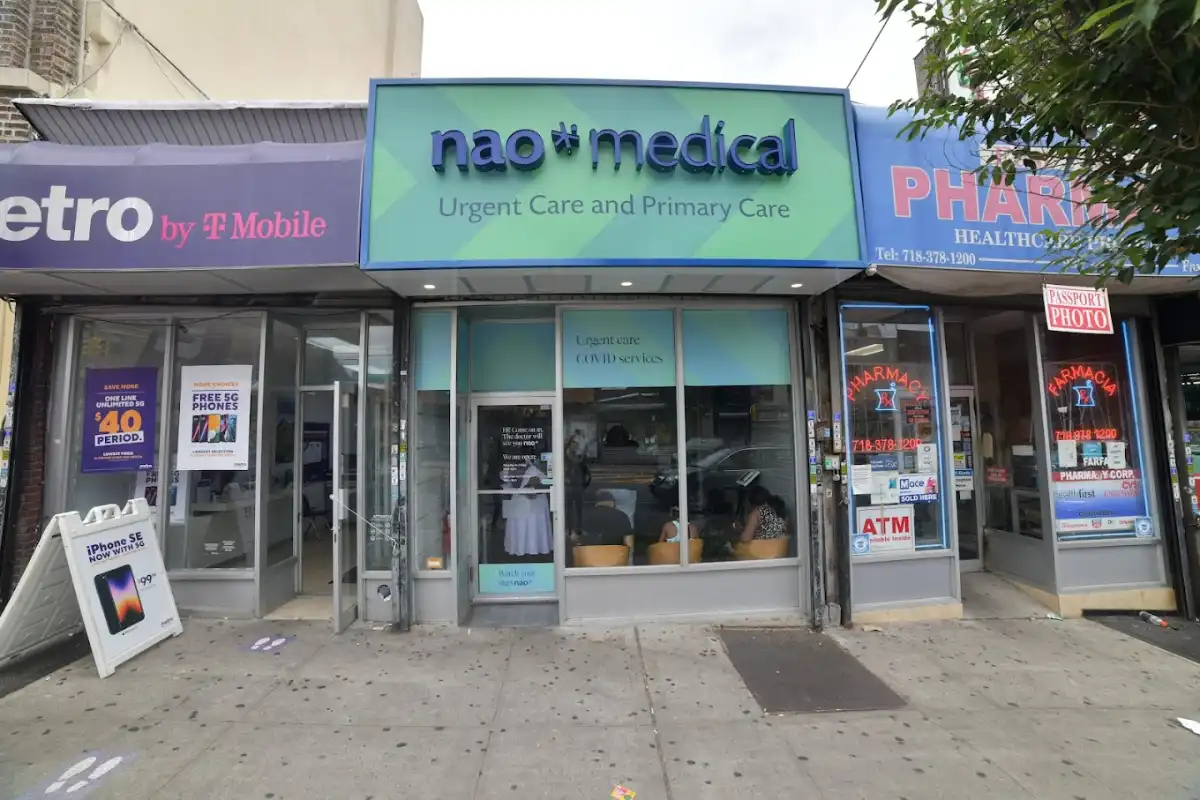
Bronx
932 E 174th St, Bronx, NY 10460
A Bronx access point for addiction medication review, Suboxone or buprenorphine follow-up, and alcohol-use medication discussion. It also supports tobacco-cessation medication planning and coordinated behavioral-health support. It serves patients in West Farms, Crotona Park East, and nearby Bronx neighborhoods.
View local medication support Get directions
Queens
37-15 23rd Ave, Astoria, NY 11105
A Queens access point for addiction medication review, Suboxone or buprenorphine follow-up, and alcohol-use medication discussion. It also supports tobacco-cessation medication planning and coordinated behavioral-health support. It serves patients in Astoria, Ditmars, East Elmhurst, and nearby Queens neighborhoods.
View local medication support Get directions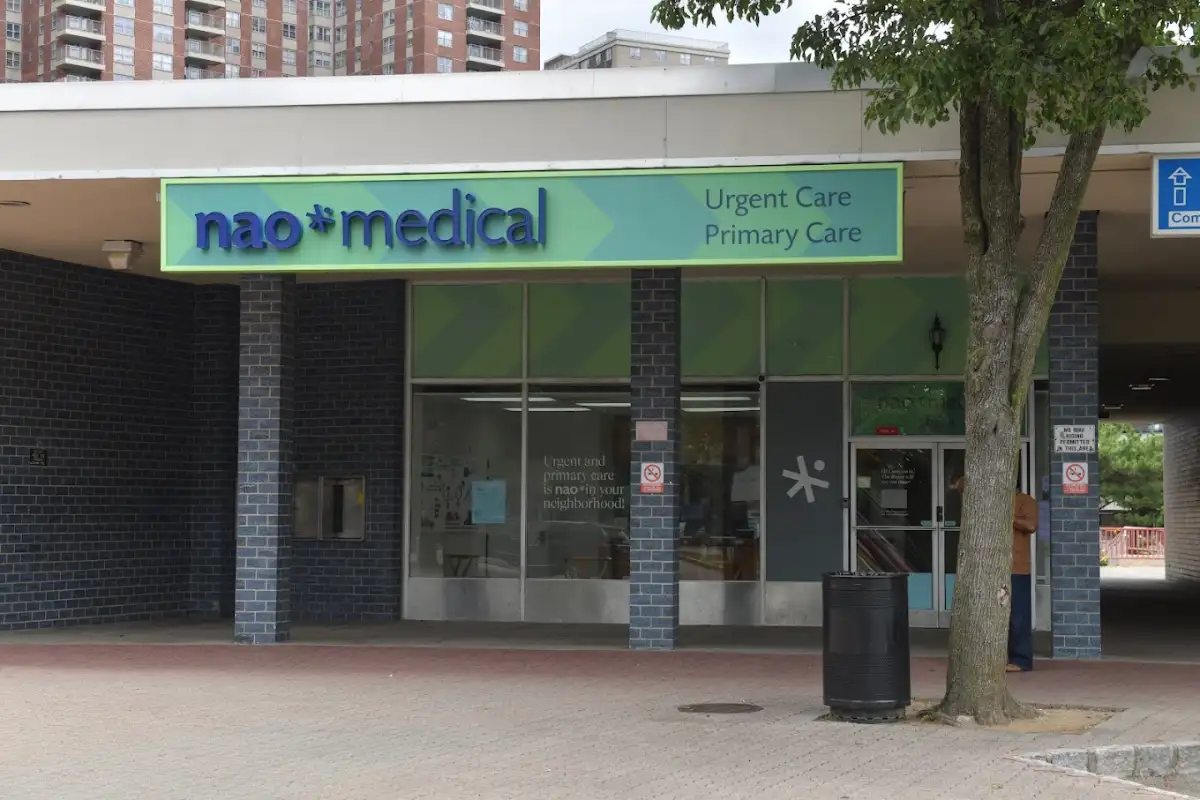
Bronx
2063A Bartow Ave, Bronx, NY 10475
A Bronx access point for addiction medication review, Suboxone or buprenorphine follow-up, and alcohol-use medication discussion. It also supports tobacco-cessation medication planning and coordinated behavioral-health support. It serves patients in Co-op City, Pelham Bay, Baychester, and nearby Bronx neighborhoods.
View local medication support Get directions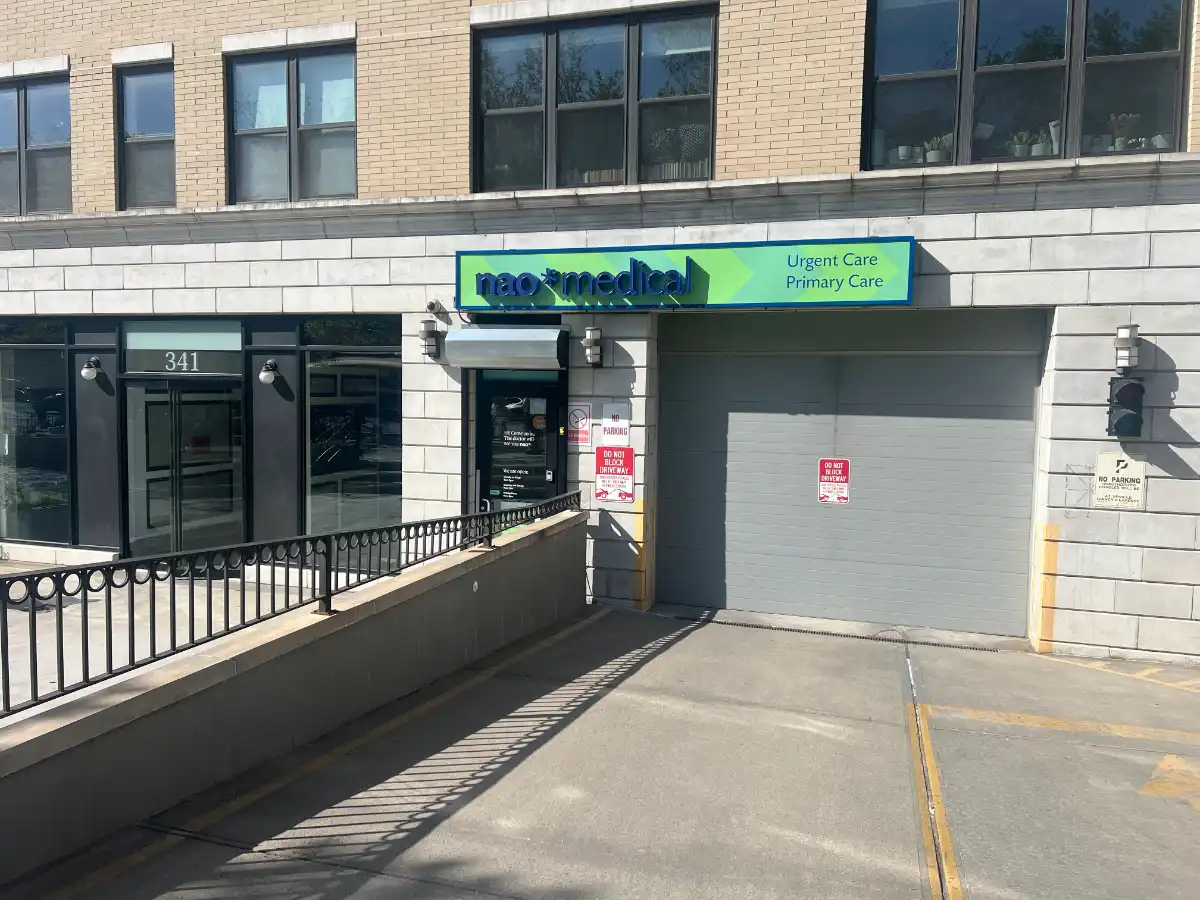
Brooklyn
341 Eastern Pkwy, Brooklyn, NY 11216
A Brooklyn access point for addiction medication review, Suboxone or buprenorphine follow-up, and alcohol-use medication discussion. It also supports tobacco-cessation medication planning and coordinated behavioral-health support. It serves patients in Crown Heights, Prospect Heights, and nearby Brooklyn neighborhoods.
View local medication support Get directions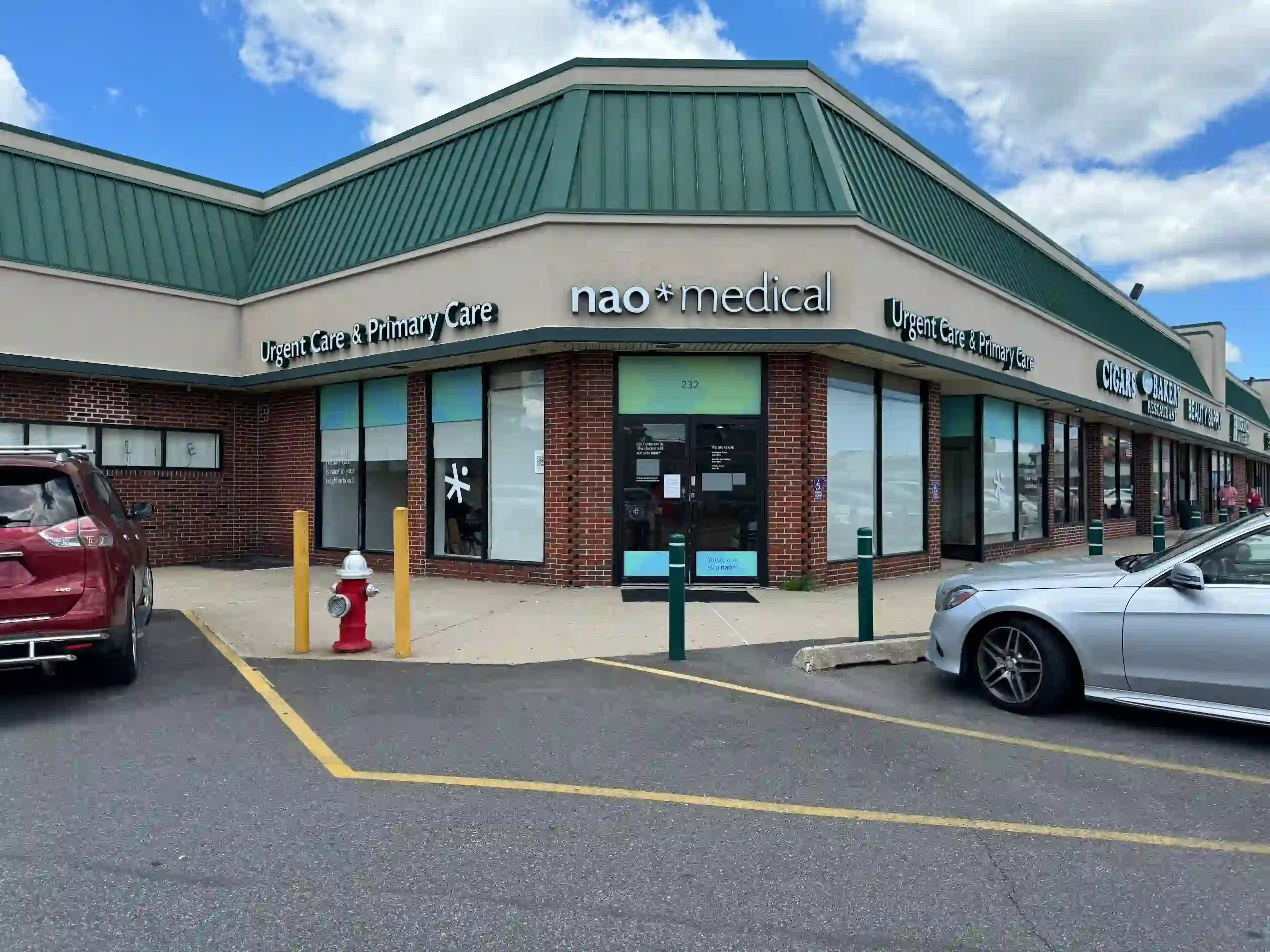
Long Island
232 W Old Country Rd, Hicksville, NY 11801
A Long Island access point for addiction medication review, Suboxone or buprenorphine follow-up, and alcohol-use medication discussion. It also supports tobacco-cessation medication planning and coordinated behavioral-health support. It serves patients in Hicksville, Plainview, Bethpage, and nearby Nassau County communities.
View local medication support Get directions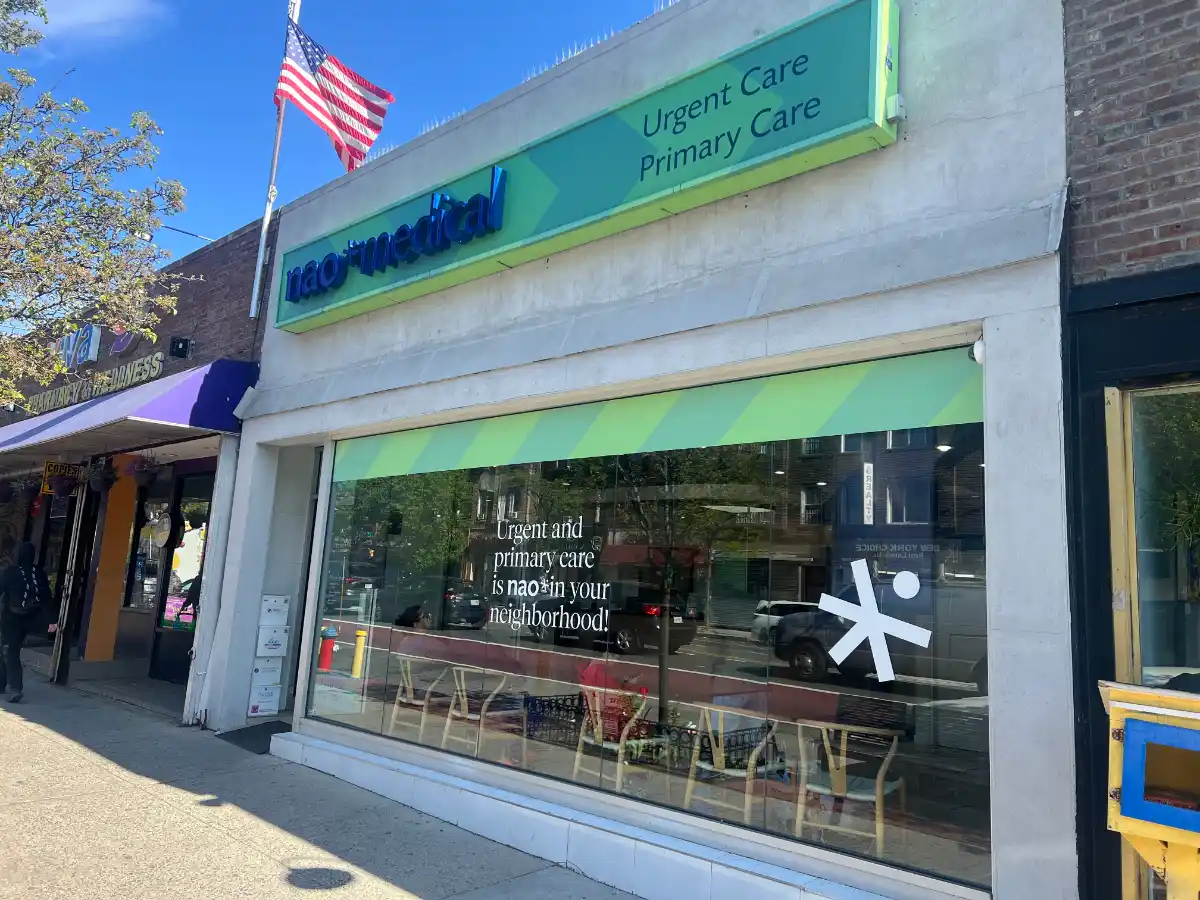
Queens
80-10 Northern Blvd, Jackson Heights, NY 11372
A Queens access point for addiction medication review, Suboxone or buprenorphine follow-up, and alcohol-use medication discussion. It also supports tobacco-cessation medication planning and coordinated behavioral-health support. It serves patients in Jackson Heights, Elmhurst, Corona, and nearby Queens neighborhoods.
View local medication support Get directions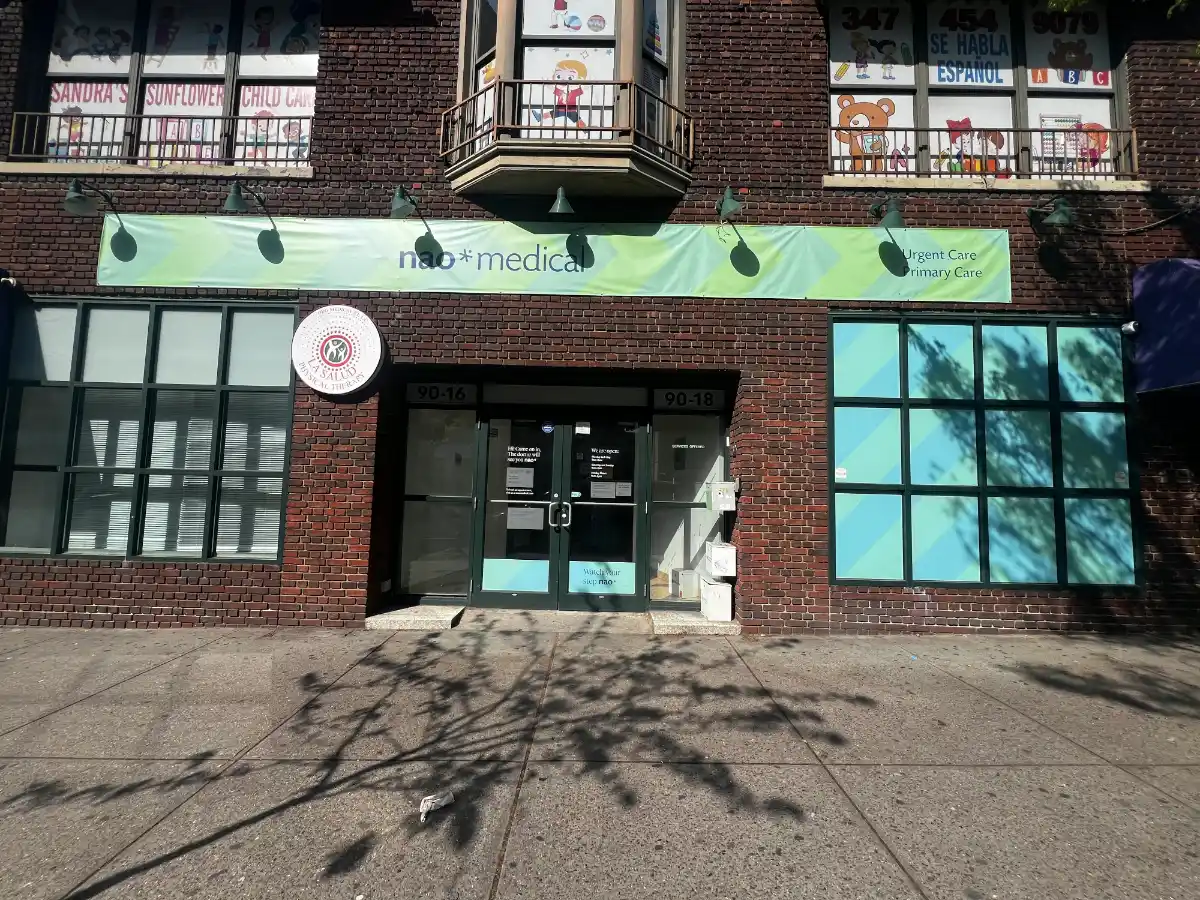
Queens
90-18 Sutphin Blvd, Jamaica, NY 11435
A Queens access point for addiction medication review, Suboxone or buprenorphine follow-up, and alcohol-use medication discussion. It also supports tobacco-cessation medication planning and coordinated behavioral-health support. It serves patients in Jamaica, Briarwood, Richmond Hill, and nearby Queens neighborhoods.
View local medication support Get directions
Queens
30-07 36th Ave, Astoria, NY 11106
A Queens access point for addiction medication review, Suboxone or buprenorphine follow-up, and alcohol-use medication discussion. It also supports tobacco-cessation medication planning and coordinated behavioral-health support. It serves patients in Long Island City, Astoria, Sunnyside, and nearby Queens neighborhoods.
View local medication support Get directions
Long Island
135 Mineola Blvd, Mineola, NY 11501
A Long Island access point for addiction medication review, Suboxone or buprenorphine follow-up, and alcohol-use medication discussion. It also supports tobacco-cessation medication planning and coordinated behavioral-health support. It serves patients in Mineola, Garden City, Westbury, and nearby Nassau County communities.
View local medication support Get directions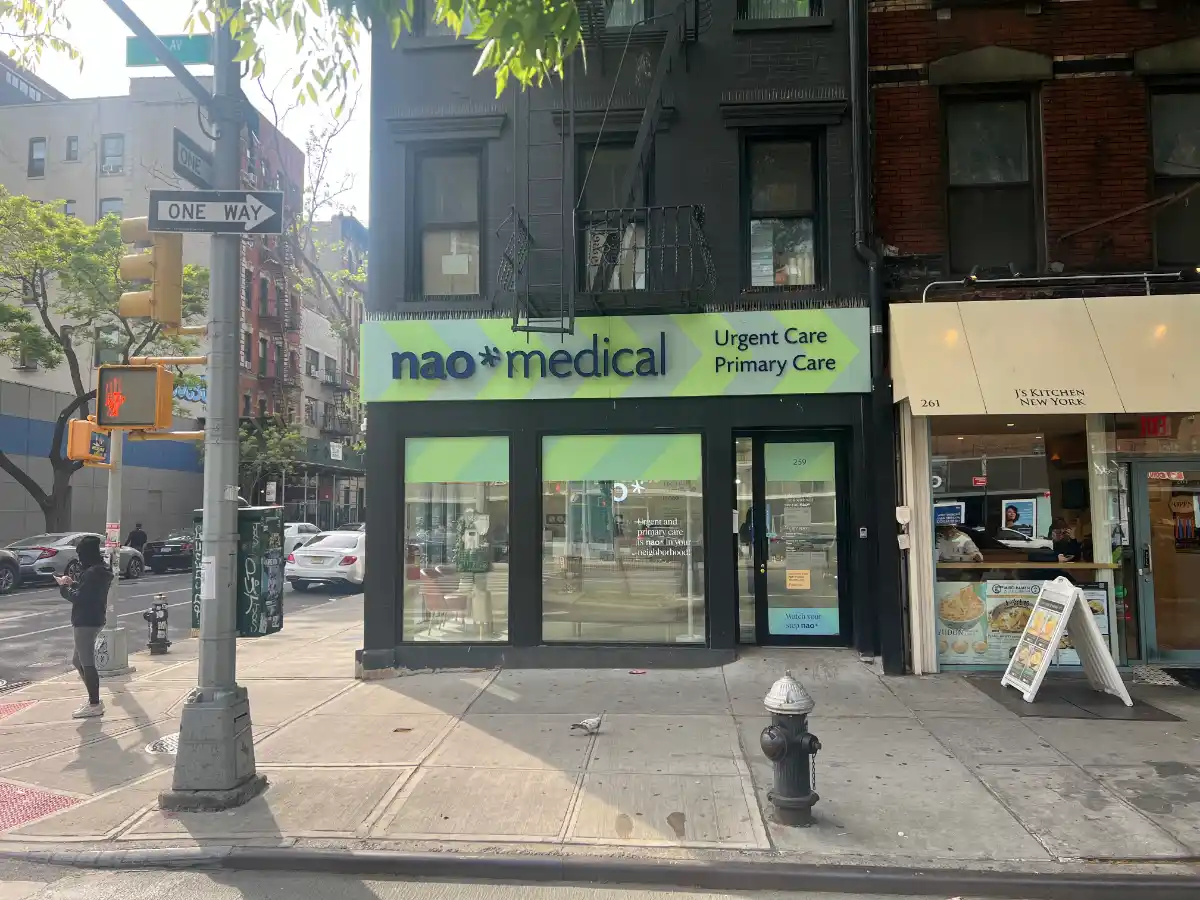
Manhattan
259 1st Ave, New York, NY 10003
A Manhattan access point for addiction medication review, Suboxone or buprenorphine follow-up, and alcohol-use medication discussion. It also supports tobacco-cessation medication planning and coordinated behavioral-health support. It serves patients in StuyTown, East Village, Gramercy, and nearby Manhattan neighborhoods.
View local medication support Get directions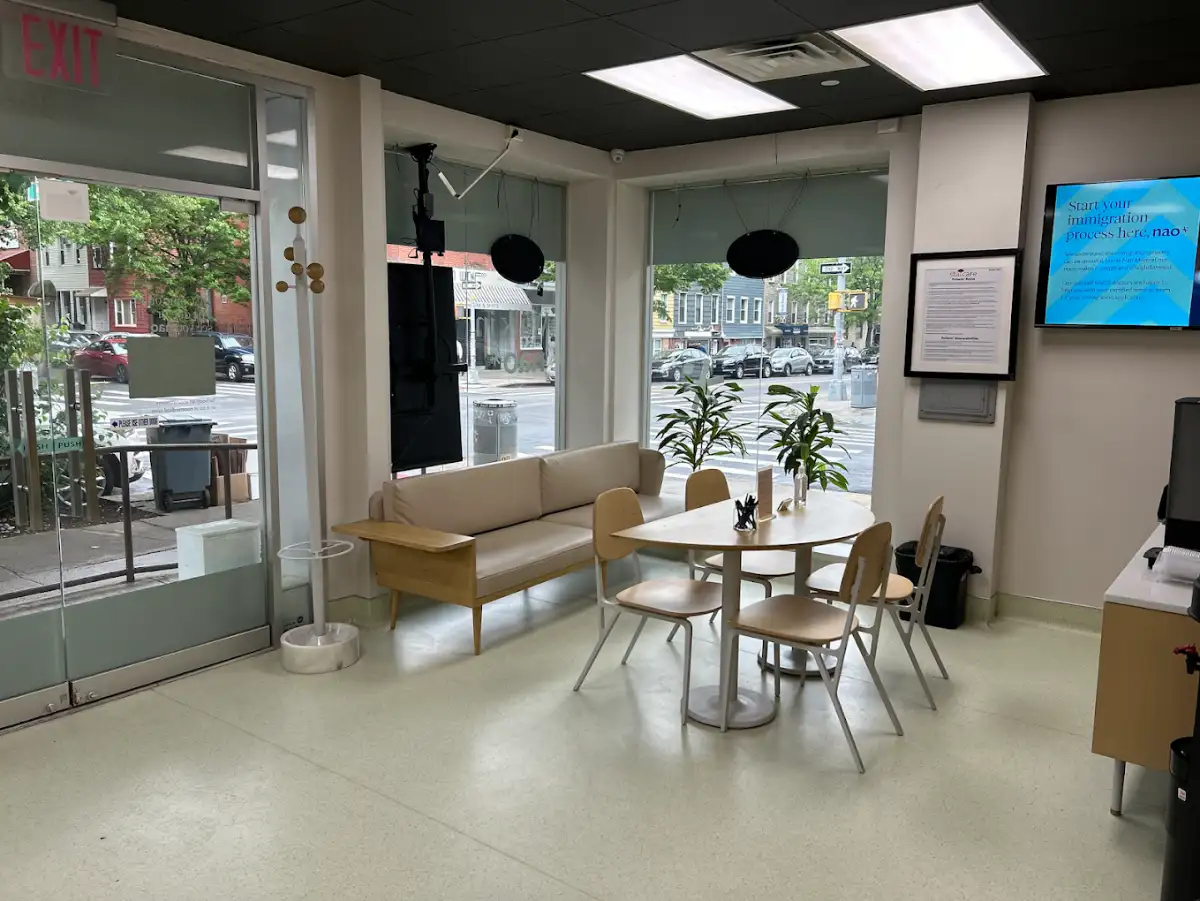
Brooklyn
308 Graham Ave, Brooklyn, NY 11211
A Brooklyn access point for addiction medication review, Suboxone or buprenorphine follow-up, and alcohol-use medication discussion. It also supports tobacco-cessation medication planning and coordinated behavioral-health support. It serves patients in Williamsburg, Greenpoint, Bushwick, and nearby Brooklyn neighborhoods.
View local medication support Get directionsDaily buprenorphine-naloxone care for opioid-use disorder when clinically appropriate.
Medication review for opioid withdrawal timing, cravings, stabilization, and follow-up.
Monthly injectable buprenorphine review for eligible patients who are already stabilized on buprenorphine.
Naltrexone options for alcohol-use disorder and opioid relapse prevention after opioid-free planning.
Naltrexone, acamprosate, and disulfiram discussion for alcohol-use disorder when appropriate.
Medication works best when paired with counseling, follow-up, relapse planning, and mental-health support.
Support for relatives who need help encouraging care without shame or coercion.
Nao Medical provides outpatient addiction care. The first visit can focus on the immediate clinical question and medication planning when relevant. When wanted or clinically recommended, the care plan can also include counseling, recovery support, and closer follow-up. Related information: outpatient addiction care.
Patients who want more support can add counseling, relapse-prevention work, care coordination, and recovery follow-up through the outpatient addiction program.
Coverage depends on your exact plan, clinician, location and service. Check participation and expected charges with the clinic and your insurer before booking. Review addiction-treatment insurance support
Content was updated August 2, 2026 from the cited sources and Nao Medical's current service information. Medical guidance, prescribing information, medication availability, and insurance rules can change. A licensed clinician must confirm current information and determine each patient's eligibility, testing, treatment, administration setting, and follow-up. Call 911 for a medical emergency. Contact Nao Medical with a question or correction.