Cannabis use disorder treatment
Review marijuana-use concerns, anxiety, sleep, school or work impact, family support, and counseling.


Medication decisions require clinical review. A medication that helps one person may be unsafe for another. The review considers recent substance use, withdrawal timing, pregnancy, liver or kidney disease, seizure history, opioid exposure, psychiatric symptoms, current prescriptions, and overdose risk.
Several medications named in research for cocaine, methamphetamine, and cannabis use disorder are not FDA-approved for those conditions. Nao Medical does not present experimental or off-label research drugs as routine addiction treatment. Care can still address cravings, withdrawal discomfort, sleep, anxiety, depression, overdose risk, testing, therapy, and referral needs.


Cannabis use disorder treatment can help when use has become hard to control or is affecting health, relationships, work or school. An assessment explores the pattern of use, the product, attempts to stop and your goals. Legal access or a medical-cannabis recommendation does not establish that a particular pattern of use is harmless or appropriate for you.
Cannabis products differ in potency, ingredients and route. Regular use can lead to dependence, cravings and withdrawal symptoms such as sleep disturbance, irritability and appetite changes. There is no FDA-approved medication specifically for cannabis use disorder or medically assisted cannabis withdrawal. Behavioral treatment and assessment of other health needs are central; care for problematic cannabis use is a different task from seeking a medical-cannabis product.
The clinician reviews control over use, effects on daily life and whether withdrawal or a co-occurring condition is involved. Bring details of flower, concentrates, edibles, vapes and any products with uncertain ingredients. Teens, pregnancy, significant psychiatric symptoms and repeated vomiting require specific assessment. Taking a prescribed cannabinoid for another illness has a different indication from treating cannabis use disorder.
Explain when and why you use cannabis, how much the pattern has changed and what happens when you reduce it. Discuss sleep, anxiety, pain, appetite or social situations that make stopping difficult. You and the clinician can choose goals and assess whether outpatient treatment fits the current risks.
Cognitive behavioral therapy helps examine triggers and practice coping responses. Motivational enhancement helps clarify goals and ambivalence. Contingency management may reinforce agreed treatment goals in a structured program. Ask what is actually available and how progress will be reviewed; a service name alone does not verify a particular therapy program.
Trouble sleeping or a low mood may relate to reducing cannabis, a separate illness or both. The clinician should assess the history and course rather than label every symptom as withdrawal. Symptom-focused or off-label medication discussion does not mean that a drug is approved to cure cannabis use disorder.
Identify high-risk situations, what to do during an urge and how to contact the team if symptoms worsen. Plan around work, school and household exposure. If cannabis use returns, review what led to it and whether treatment intensity or other support should change.
Bring a medicine list and product details, including THC/CBD information if known. Be clear about alcohol, nicotine, other substances and medicines used for sleep. Tell the clinician if you have experienced panic, paranoia, hallucinations or repeated vomiting. Ask which symptoms need urgent care and how to get help between visits. Do not use a forum’s withdrawal calendar as a required timetable for improvement.
Seek urgent medical care for repeated vomiting with dehydration, severe confusion, chest symptoms or an inability to stay safe. New psychosis or dangerous behavior needs urgent assessment. Avoid driving or hazardous tasks while impaired. Edibles and other products need secure storage away from children. Synthetic or unknown cannabinoid products can have different and serious risks and should be identified during assessment.
Follow-up reviews use, cravings, sleep, mood and function. Persistent symptoms may need a new assessment rather than simply waiting longer. Discuss whether behavioral strategies are usable in daily life and whether another condition needs treatment. Testing, if used, has limitations and should be interpreted in context. A fixed abstinence deadline cannot predict every person’s recovery.
Ask whether the service treats cannabis use disorder, provides behavioral treatment or refers to another program. Clarify visits, follow-up, testing and any proposed medication costs. Ask what any proposed medicine is intended to treat and what evidence supports it. Treatment for problematic cannabis use does not promise a cannabis product.
There is no FDA-approved medicine specifically for this stimulant or cannabis-use disorder. Certain medicines may be considered off-label for selected patients under guideline-based specialist care; that is not an approved indication or a guaranteed prescription. Contingency management is a central evidence-based option for stimulant-use disorder, with other behavioral treatment as appropriate. Epidiolex treats specified seizure disorders, not cannabis addiction. Review any coexisting ADHD, anxiety, sleep problems and substance use before changing medicines.
Cannabis use disorder treatment can help when use has become hard to control or is affecting health, relationships, work or school. An assessment explores the pattern of use, the product, attempts to stop and your goals. Legal access or a medical-cannabis recommendation does not establish that a particular pattern of use is harmless or appropriate for you.
Cannabis products differ in potency, ingredients and route. Regular use can lead to dependence, cravings and withdrawal symptoms such as sleep disturbance, irritability and appetite changes. There is no FDA-approved medication specifically for cannabis use disorder or medically assisted cannabis withdrawal. Behavioral treatment and assessment of other health needs are central; care for problematic cannabis use is a different task from seeking a medical-cannabis product.
The clinician reviews control over use, effects on daily life and whether withdrawal or a co-occurring condition is involved. Bring details of flower, concentrates, edibles, vapes and any products with uncertain ingredients. Teens, pregnancy, significant psychiatric symptoms and repeated vomiting require specific assessment. Taking a prescribed cannabinoid for another illness has a different indication from treating cannabis use disorder.
FDA-approved medications exist for opioid-use disorder (buprenorphine, methadone and naltrexone), alcohol-use disorder (naltrexone, acamprosate and disulfiram), and tobacco dependence (nicotine replacement, varenicline and bupropion SR). There is no FDA-approved medication specifically for cocaine, methamphetamine or cannabis-use disorder. Evidence-based behavioral care is important. Selected off-label medicines require a clinician’s rationale. Hydrocodone, oxycodone, codeine and local anesthetics are not approved addiction-treatment substitutes.
The course varies with use and other health factors. Report severity, progression and daytime impairment. Persistent or worsening symptoms deserve assessment; an anecdotal timeline cannot tell you when sleep must normalize.
Review marijuana-use concerns, anxiety, sleep, school or work impact, family support, and counseling.
Anxiety, depression, insomnia, and trauma symptoms can overlap with cannabis use.
Counseling can help with cravings, routines, sleep, and relapse prevention.
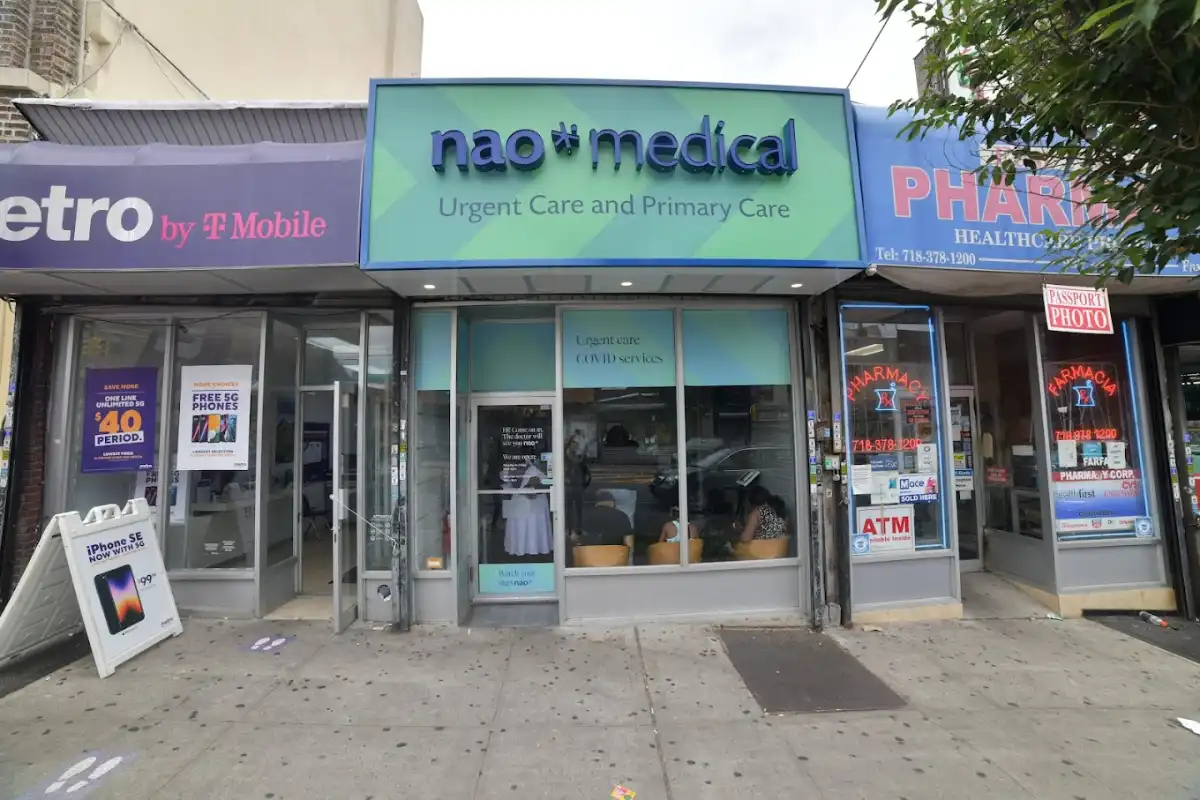
Bronx
932 E 174th St, Bronx, NY 10460
A Bronx access point for addiction medication review, Suboxone or buprenorphine follow-up, and alcohol-use medication discussion. It also supports tobacco-cessation medication planning and coordinated behavioral-health support. It serves patients in West Farms, Crotona Park East, and nearby Bronx neighborhoods.
View local medication support Get directions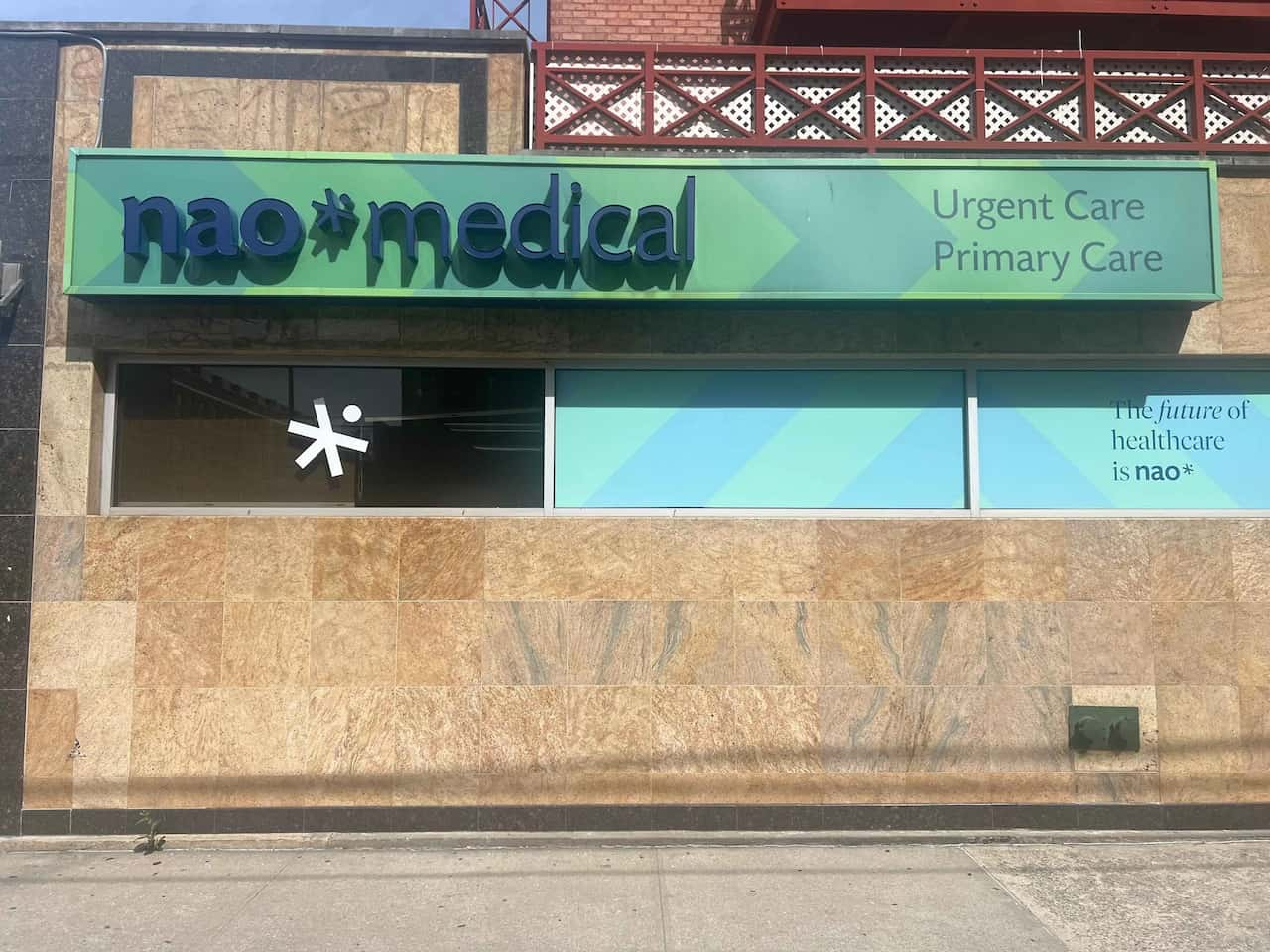
Queens
37-15 23rd Ave, Astoria, NY 11105
A Queens access point for addiction medication review, Suboxone or buprenorphine follow-up, and alcohol-use medication discussion. It also supports tobacco-cessation medication planning and coordinated behavioral-health support. It serves patients in Astoria, Ditmars, East Elmhurst, and nearby Queens neighborhoods.
View local medication support Get directions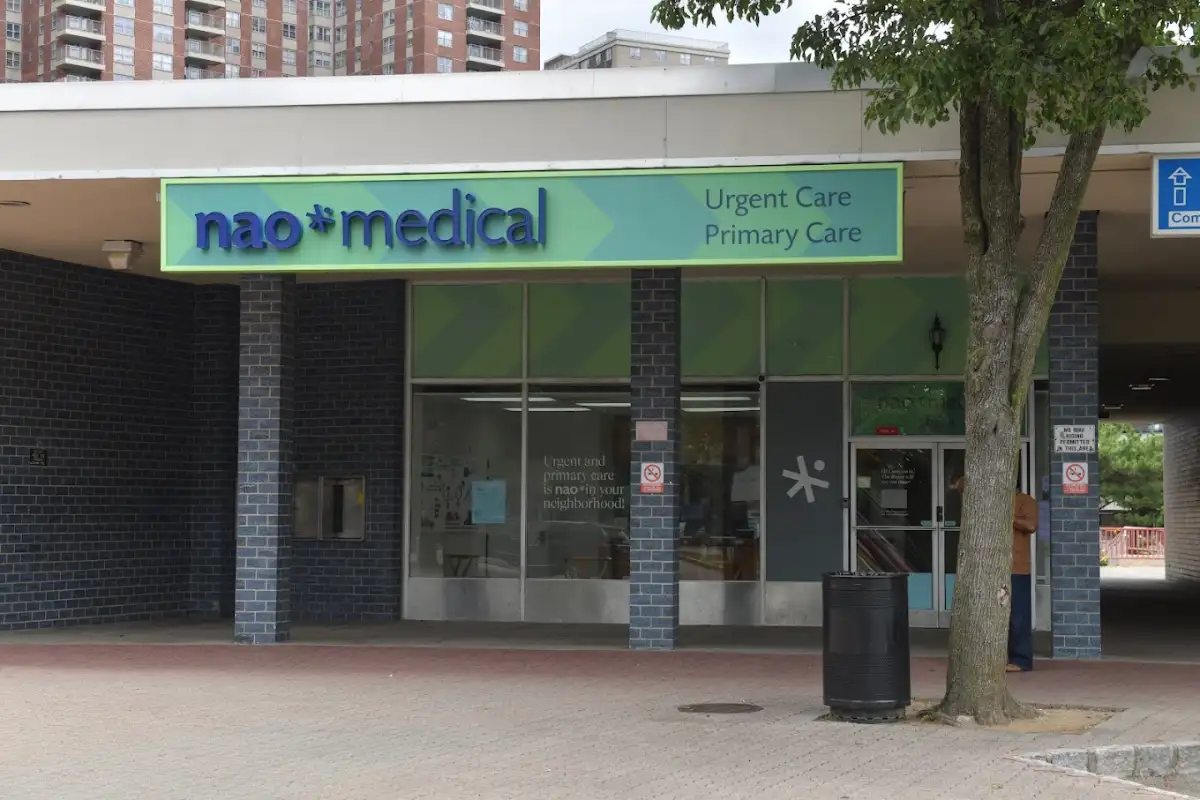
Bronx
2063A Bartow Ave, Bronx, NY 10475
A Bronx access point for addiction medication review, Suboxone or buprenorphine follow-up, and alcohol-use medication discussion. It also supports tobacco-cessation medication planning and coordinated behavioral-health support. It serves patients in Co-op City, Pelham Bay, Baychester, and nearby Bronx neighborhoods.
View local medication support Get directions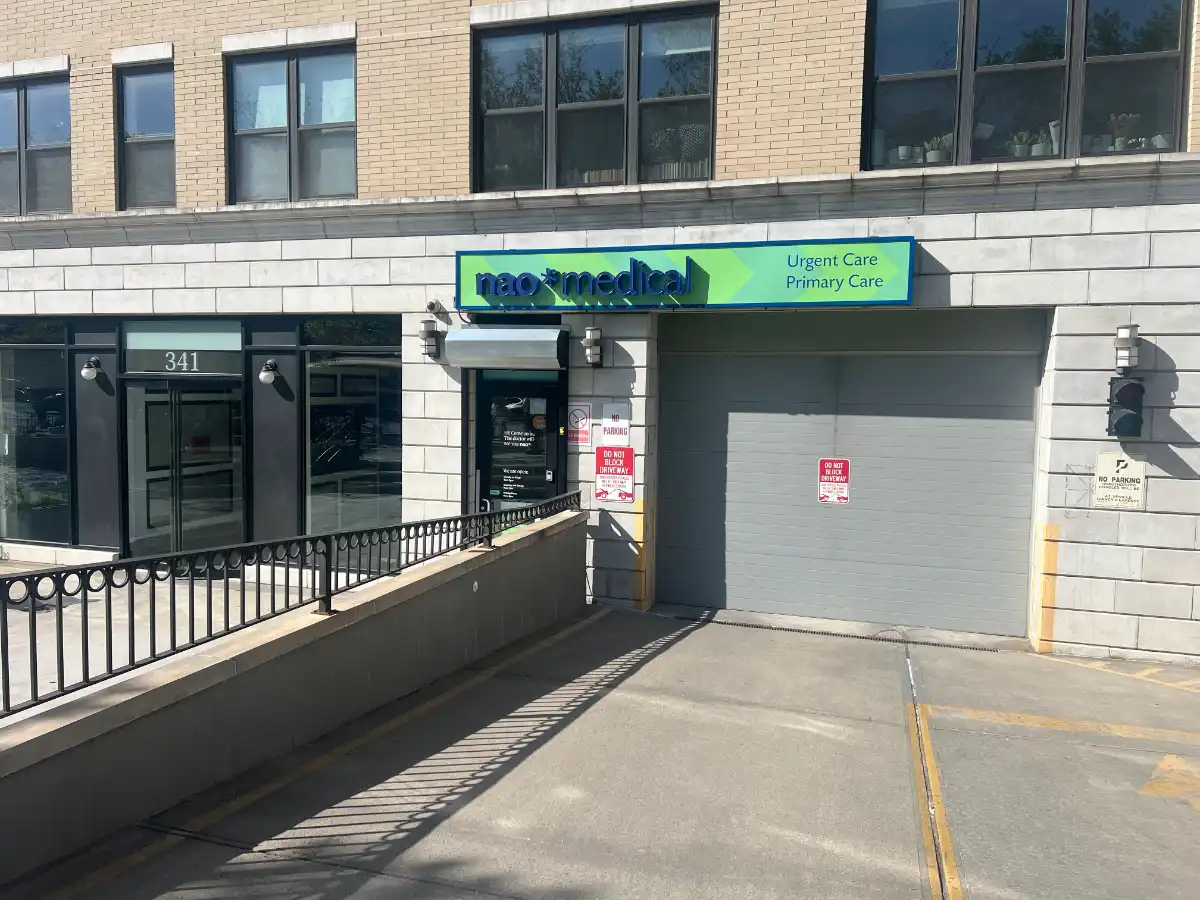
Brooklyn
341 Eastern Pkwy, Brooklyn, NY 11216
A Brooklyn access point for addiction medication review, Suboxone or buprenorphine follow-up, and alcohol-use medication discussion. It also supports tobacco-cessation medication planning and coordinated behavioral-health support. It serves patients in Crown Heights, Prospect Heights, and nearby Brooklyn neighborhoods.
View local medication support Get directions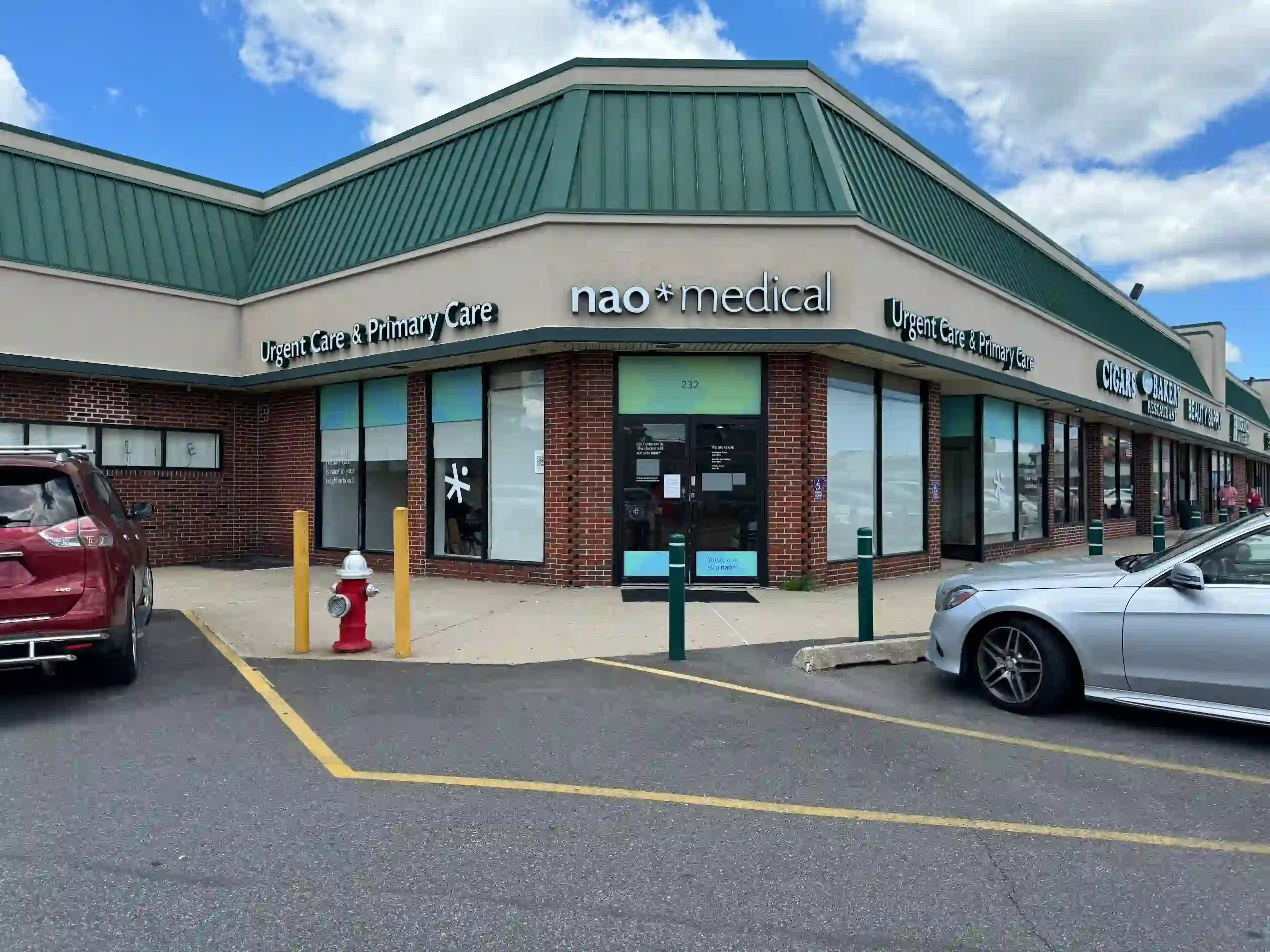
Long Island
232 W Old Country Rd, Hicksville, NY 11801
A Long Island access point for addiction medication review, Suboxone or buprenorphine follow-up, and alcohol-use medication discussion. It also supports tobacco-cessation medication planning and coordinated behavioral-health support. It serves patients in Hicksville, Plainview, Bethpage, and nearby Nassau County communities.
View local medication support Get directions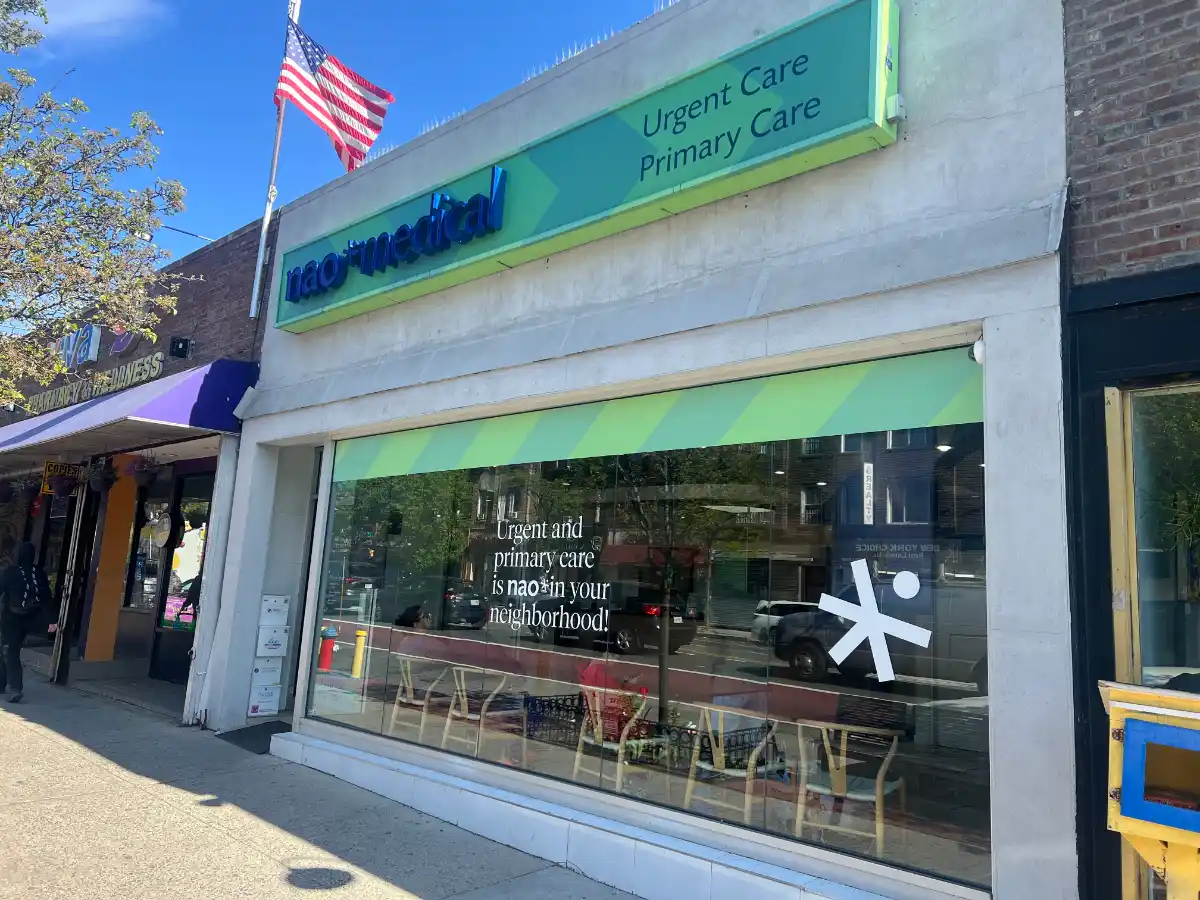
Queens
80-10 Northern Blvd, Jackson Heights, NY 11372
A Queens access point for addiction medication review, Suboxone or buprenorphine follow-up, and alcohol-use medication discussion. It also supports tobacco-cessation medication planning and coordinated behavioral-health support. It serves patients in Jackson Heights, Elmhurst, Corona, and nearby Queens neighborhoods.
View local medication support Get directions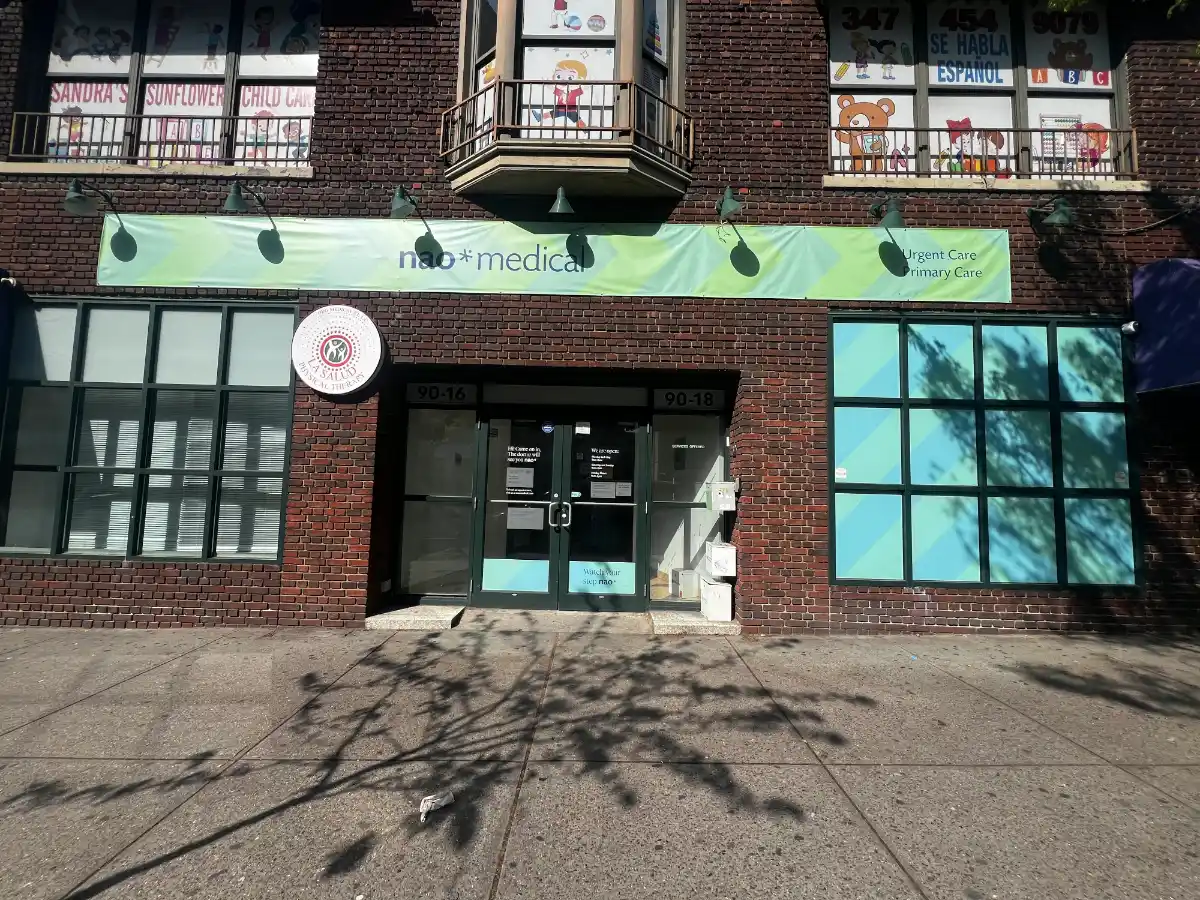
Queens
90-18 Sutphin Blvd, Jamaica, NY 11435
A Queens access point for addiction medication review, Suboxone or buprenorphine follow-up, and alcohol-use medication discussion. It also supports tobacco-cessation medication planning and coordinated behavioral-health support. It serves patients in Jamaica, Briarwood, Richmond Hill, and nearby Queens neighborhoods.
View local medication support Get directions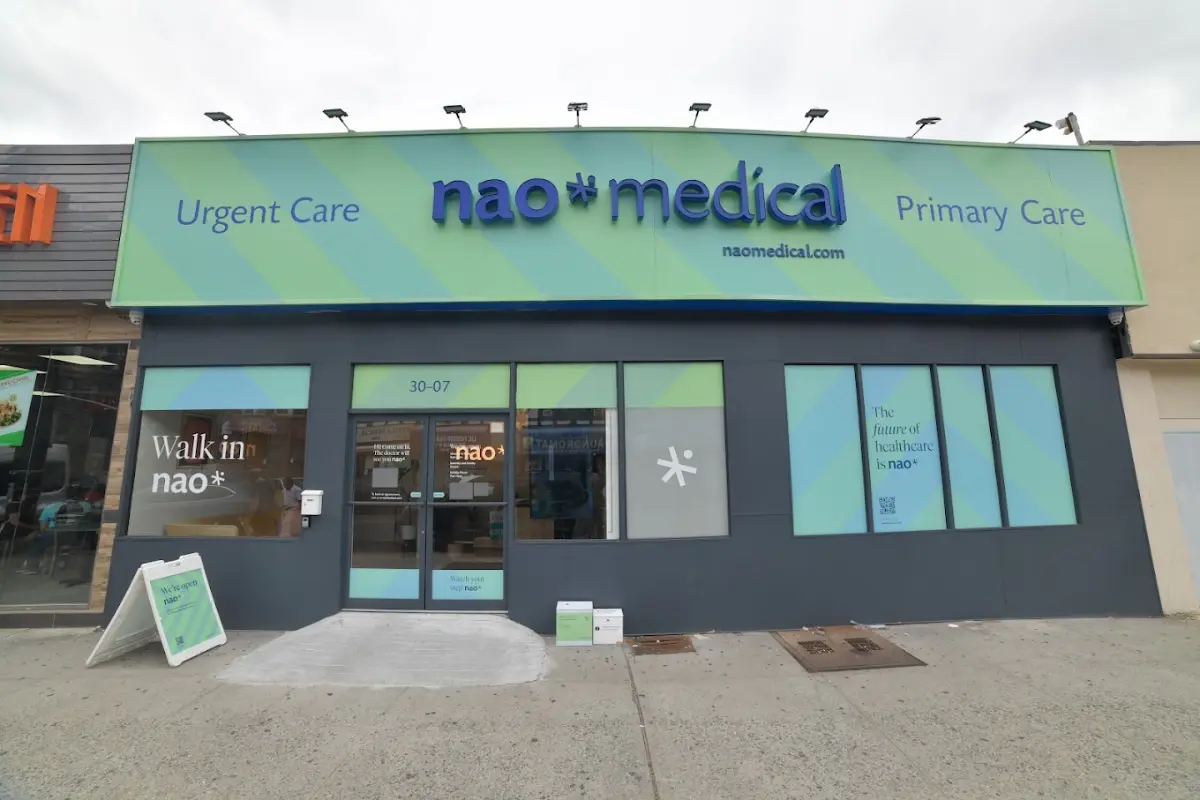
Queens
30-07 36th Ave, Astoria, NY 11106
A Queens access point for addiction medication review, Suboxone or buprenorphine follow-up, and alcohol-use medication discussion. It also supports tobacco-cessation medication planning and coordinated behavioral-health support. It serves patients in Long Island City, Astoria, Sunnyside, and nearby Queens neighborhoods.
View local medication support Get directions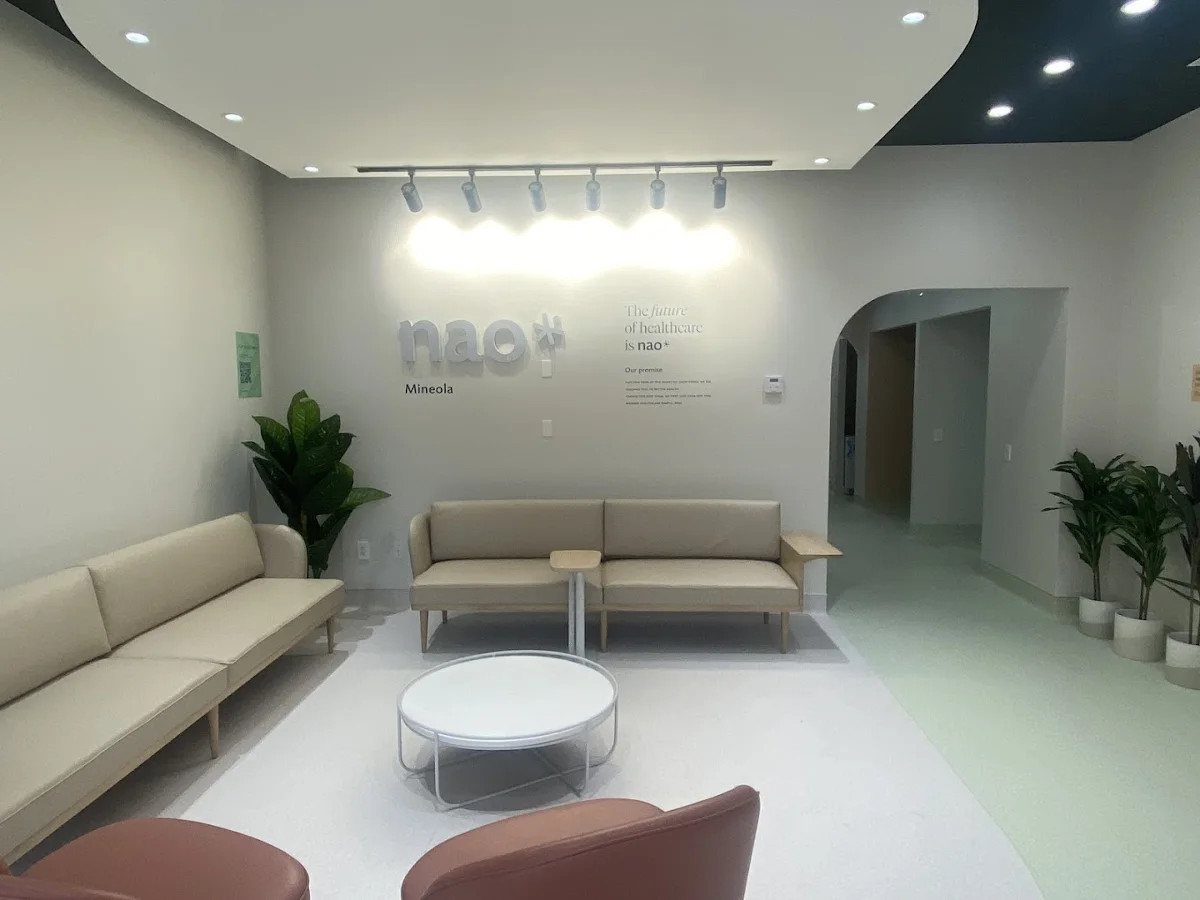
Long Island
135 Mineola Blvd, Mineola, NY 11501
A Long Island access point for addiction medication review, Suboxone or buprenorphine follow-up, and alcohol-use medication discussion. It also supports tobacco-cessation medication planning and coordinated behavioral-health support. It serves patients in Mineola, Garden City, Westbury, and nearby Nassau County communities.
View local medication support Get directions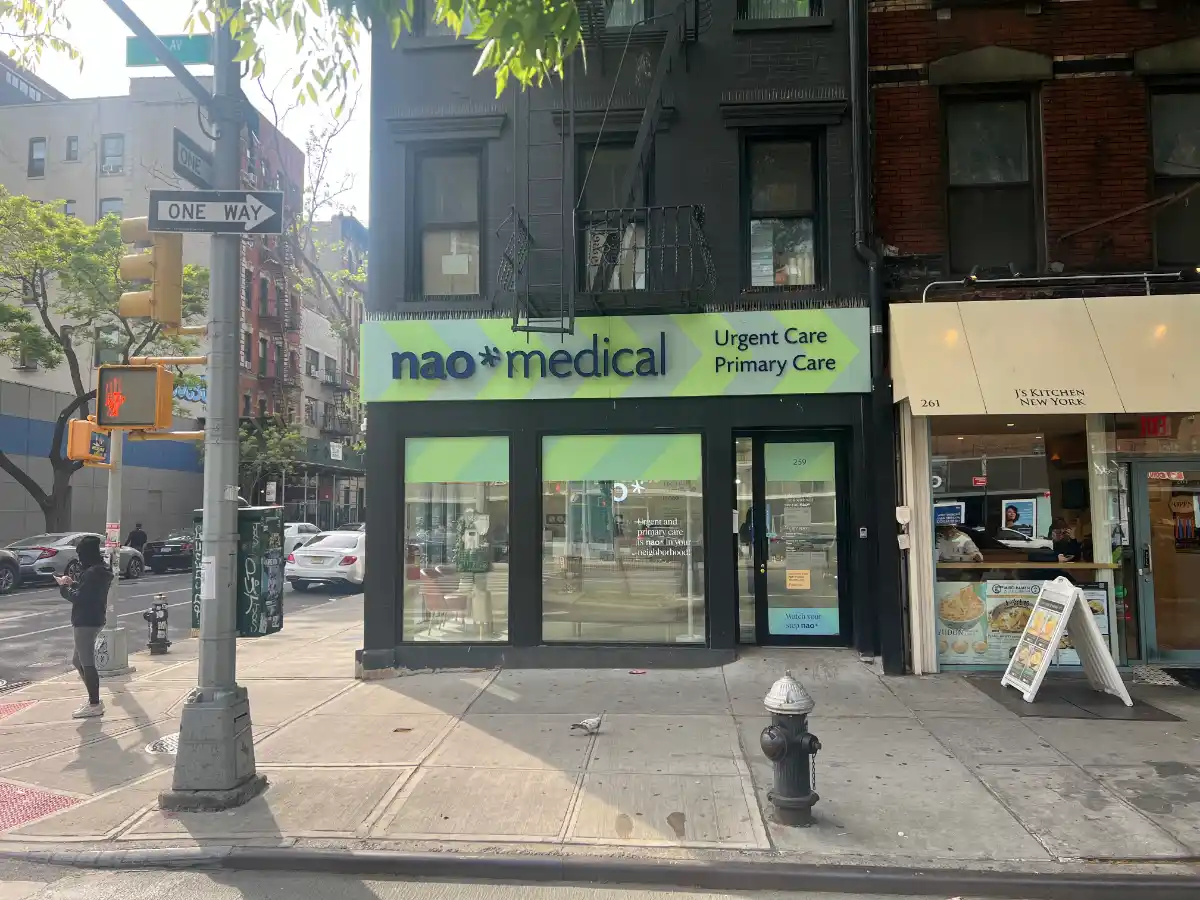
Manhattan
259 1st Ave, New York, NY 10003
A Manhattan access point for addiction medication review, Suboxone or buprenorphine follow-up, and alcohol-use medication discussion. It also supports tobacco-cessation medication planning and coordinated behavioral-health support. It serves patients in StuyTown, East Village, Gramercy, and nearby Manhattan neighborhoods.
View local medication support Get directions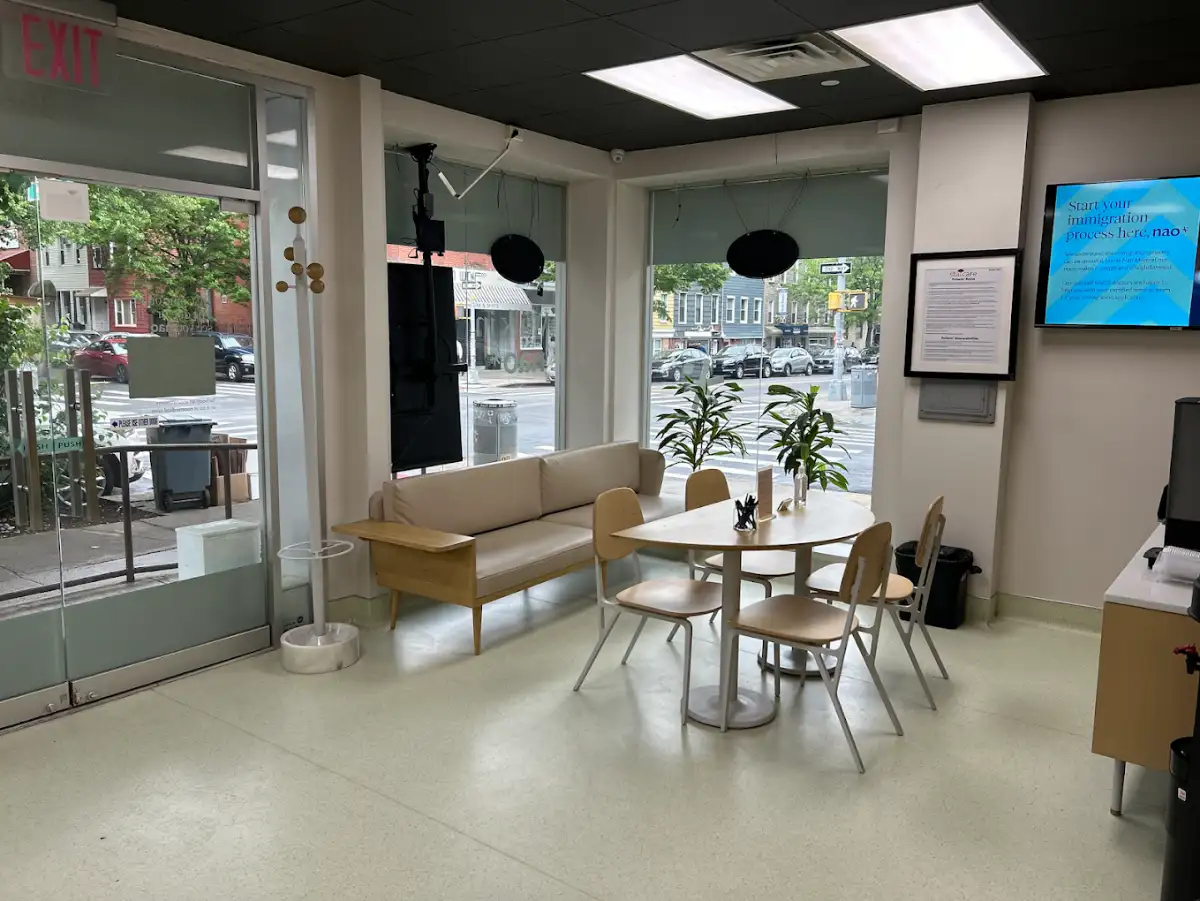
Brooklyn
308 Graham Ave, Brooklyn, NY 11211
A Brooklyn access point for addiction medication review, Suboxone or buprenorphine follow-up, and alcohol-use medication discussion. It also supports tobacco-cessation medication planning and coordinated behavioral-health support. It serves patients in Williamsburg, Greenpoint, Bushwick, and nearby Brooklyn neighborhoods.
View local medication support Get directionsDaily buprenorphine-naloxone care for opioid-use disorder when clinically appropriate.
Medication review for opioid withdrawal timing, cravings, stabilization, and follow-up.
Monthly injectable buprenorphine review for eligible patients who are already stabilized on buprenorphine.
Naltrexone options for alcohol-use disorder and opioid relapse prevention after opioid-free planning.
Naltrexone, acamprosate, and disulfiram discussion for alcohol-use disorder when appropriate.
Medication works best when paired with counseling, follow-up, relapse planning, and mental-health support.
Support for relatives who need help encouraging care without shame or coercion.