 (917) 310-3371

What happens at the first visit
The first visit typically focuses on opioid use history, withdrawal timing, medication safety, prior treatment, urine drug screening, and whether starting or restarting Suboxone is clinically appropriate.




Care can include assessment, opioid withdrawal timing review, Suboxone induction or restart planning when clinically appropriate, stabilization, maintenance follow-up, and coordination with therapy, psychiatry, or primary care when a broader recovery plan is needed.
Coverage depends on your exact plan, clinician, location and service. Check participation and expected charges with the clinic and your insurer before booking.
Self-pay options are also available: $350 initial visits including UDS, $200 follow-up visits including UDS, and $100 bridge visits for 7 days only when clinically appropriate.


Chronic pain needs a continuing plan that addresses the cause, daily function, sleep and treatment risks. Buprenorphine may be considered for selected patients when an opioid treatment is appropriate, but it is not a guaranteed solution or a first step for every chronic pain condition. An assessment should include non-opioid options and realistic functional goals.
Buprenorphine is a partial opioid agonist. Some formulations, such as buccal BELBUCA and transdermal pain products, have pain indications. SUBOXONE combines buprenorphine with naloxone and is labeled for opioid dependence, commonly called opioid use disorder (OUD). Using SUBOXONE specifically for pain is off-label. These products and purposes must not be treated as interchangeable.
The clinician reviews the pain diagnosis, prior treatment, current opioid use and whether OUD is also present. OUD and chronic pain can coexist and both deserve care. Physiologic dependence from prescribed opioids is not by itself an OUD diagnosis. An off-label pain discussion requires an explanation of evidence, alternatives and monitoring, not an automatic enrollment in an addiction program.
Bring existing pain and prescribing records. The clinician evaluates function and risks, discusses non-opioid care and decides whether a pain specialist or the current prescriber should coordinate treatment. If a transition is considered, agree on who manages it, the monitoring plan and what to do if symptoms worsen. Starting buprenorphine after another opioid can precipitate withdrawal and needs a clinician-directed pathway.
Bring all medicines, supplements, prior imaging and treatments, and the current opioid prescription details. Tell the team about sedatives, alcohol, breathing disorders, pregnancy and liver disease. Do not stop an existing opioid abruptly, calculate a dose conversion or start a borrowed buprenorphine product from website instructions.
Buprenorphine still carries opioid risks, including respiratory depression, sedation, overdose and dependence. Alcohol and sedatives can increase harm. Call 911 for slow or absent breathing or inability to wake someone; use prescribed overdose rescue treatment under its instructions while seeking help. New weakness, bladder or bowel changes with back pain, major trauma or a sudden severe new pain needs urgent assessment of its cause.
Review pain, function, adverse effects and safe use at planned visits. Continuing therapy should be supported by benefit and risk review. An acute injury or surgery while taking buprenorphine needs coordination with the treating team; do not improvise changes. Discuss an overdose-prevention plan and safe storage when an opioid is used.
Confirm whether the clinic provides an off-label buprenorphine pain consultation, who coordinates prescribing with your current clinician and what the consultation and follow-up cost. An OUD program fee or enrollment route should not be assumed to cover a distinct pain service.
Ask intake whether you are booking an OUD assessment or a chronic-pain consultation so the clinician can plan the appropriate care. SUBOXONE is labeled for opioid dependence/OUD. Use specifically for chronic pain is off-label. Pain-labeled buprenorphine formulations have different instructions. Chronic pain alone does not establish OUD. Confirm a pain assessment with the responsible clinician, including non-opioid options, function, current opioids and whether OUD also needs care.
Confirm coverage for the exact chronic-pain consultation and proposed medicine with the clinic and your plan. An insurer name or OUD program benefit does not establish coverage for an off-label pain plan. Ask the clinic and exact plan about the pain clinician, visit, tests, formulation, prior authorization and expected personal cost separately. Do not transfer addiction-program coverage terms to this service.
Confirm the current chronic-pain consultation fee and included services with the clinic before booking. An OUD visit or bridge fee does not establish the price of a separate chronic-pain consultation. Request a current itemized pain-service estimate, including assessment, tests, medicine and follow-up. Confirm who coordinates prescribing with your current clinician. A payment does not guarantee an off-label prescription.
A pain consultation does not guarantee an immediate SUBOXONE start or restart. Its use specifically for pain is off-label. The pain clinician and current prescriber should assess prior opioid exposure, pain/function, alternatives and withdrawal risk before coordinating any transition. Starting buprenorphine after another opioid can precipitate withdrawal. Do not stop an existing opioid abruptly or calculate a conversion from website instructions.
An OUD bridge offer does not establish a chronic-pain bridge service. Tell the current pain prescriber promptly about a medication gap and confirm which clinician can safely continue or change treatment. Any buprenorphine transition for pain needs coordinated evaluation. Do not assume a seven-day pain prescription or a particular bridge fee applies to chronic-pain care. Do not borrow medicine or change opioid doses yourself.
Pain can affect mood, sleep and coping. Behavioral-health support can be coordinated with the pain plan when clinically appropriate, but the actual Nao referral arrangement must be confirmed. Chronic pain does not by itself establish addiction. A therapy referral does not replace assessment of pain, function or safe prescribing.
Chronic pain generally lasts more than 3 months and can continue beyond usual healing. It can arise from a condition, injury or an uncertain cause and affect movement, sleep, mood and daily function. If a record says chronic pain syndrome, ask which condition and functional problems the clinician means. The term alone does not identify the cause or guarantee one treatment. A clinician should assess the diagnosis, function and risks and agree on a continuing plan. Chronic pain does not by itself establish opioid use disorder. Journavx is labeled for adult acute pain, while Suboxone use specifically for pain is off-label and needs a distinct prescribing discussion.
A continuing plan starts with the cause, daily function, prior treatment and medicine risks. Suitable options may include physical activity or therapy, psychological support and nonopioid medicines selected for the condition. Agree on realistic goals such as safer walking, sleep and participation, then review benefit and adverse effects over time. An opioid is not the automatic next step. If buprenorphine is considered, pain-labeled formulations and off-label Suboxone have different purposes and are not interchangeable. The Suboxone label warns that it is not appropriate as an analgesic and reports deaths in opioid-naive people. Any off-label pain discussion needs specialist assessment of the formulation and risks. The current prescriber and pain clinician should coordinate any transition. Do not abruptly stop an existing opioid or calculate a conversion from online instructions.
Contact the treating clinician promptly when pain prevents sleep, eating, movement or ordinary activities, or the plan is no longer helping. Describe what changed and ask for reassessment rather than increasing medicine yourself. Seek emergency assessment now for sudden severe new pain, concerning chest pain or new weakness. New loss of bladder or bowel control, or inability to urinate with back pain, also needs an emergency department assessment now. Call 911 for severe breathing problems, inability to wake someone or another life-threatening symptom. If you might hurt yourself or cannot stay safe, seek emergency help now. Chronic pain deserves a continuing plan that addresses function and distress as well as pain intensity.
SUBOXONE is labeled for opioid use disorder; using it specifically for pain is off-label. Other buprenorphine formulations have pain indications and are not interchangeable. Chronic pain alone does not establish opioid use disorder. The pain clinician and current prescriber should coordinate any transition, because starting buprenorphine after another opioid can precipitate withdrawal.
The first visit typically focuses on opioid use history, withdrawal timing, medication safety, prior treatment, urine drug screening, and whether starting or restarting Suboxone is clinically appropriate.
Suboxone care usually requires follow-up. Maintenance visits are where cravings, adherence, side effects, relapse risk, and dose stability are reviewed over time.
If chronic pain and opioid dependence overlap, the addiction medicine team can help decide whether separate pain-management, psychiatry, or primary-care follow-up should be layered in.
Some patients use insurance, while others move faster with self-pay pricing. Either way, the plan should be clear before treatment starts so the patient is not surprised later.
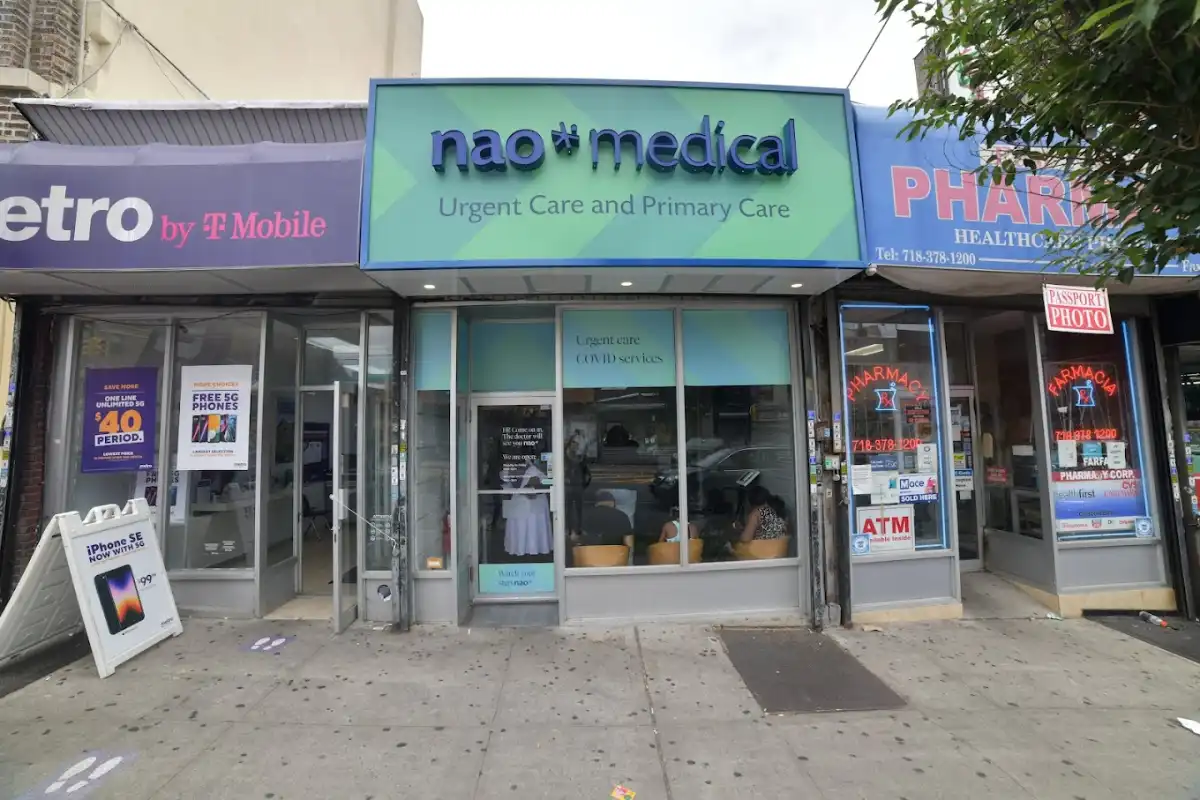
Bronx
932 E 174th St, Bronx, NY 10460
A Bronx location for local addiction medicine follow-up, Suboxone restarts, and practical recovery support.
View local Suboxone care Get directions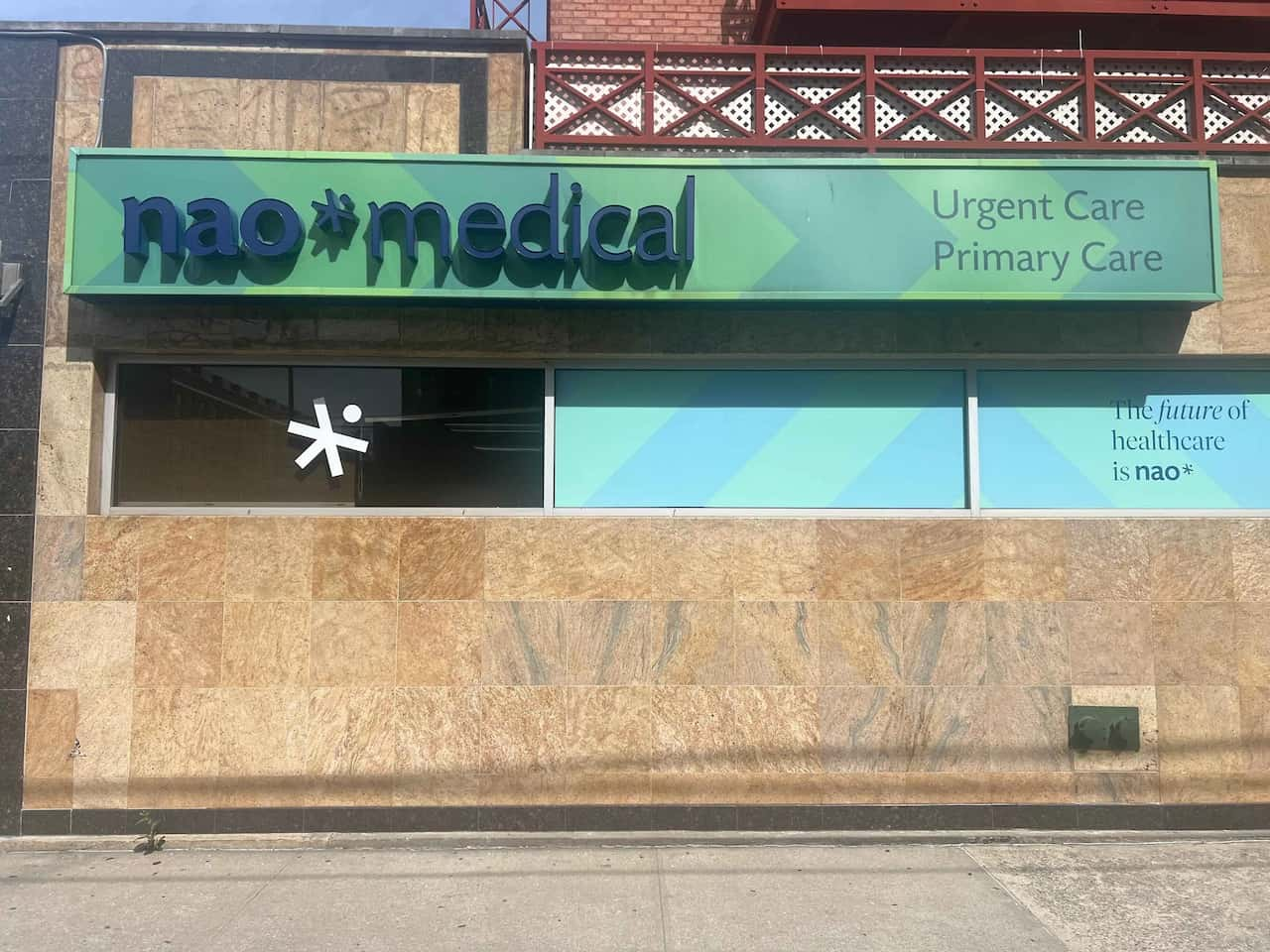
Queens
37-15 23rd Ave, Astoria, NY 11105
A western Queens location for ongoing Suboxone visits, addiction medicine follow-up, and recovery planning close to home.
View local Suboxone care Get directions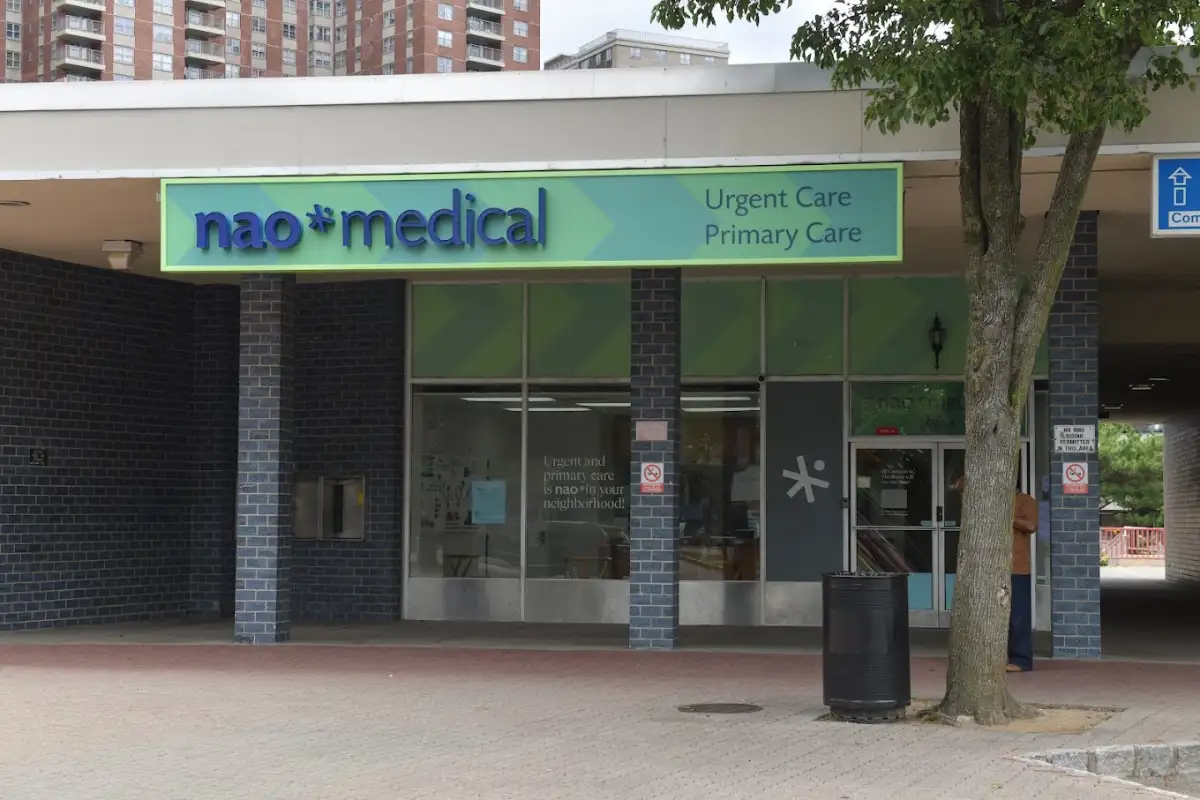
Bronx
2063A Bartow Ave, Bronx, NY 10475
A Bronx option for buprenorphine follow-up, structured addiction medicine visits, and practical next-step coordination.
View local Suboxone care Get directions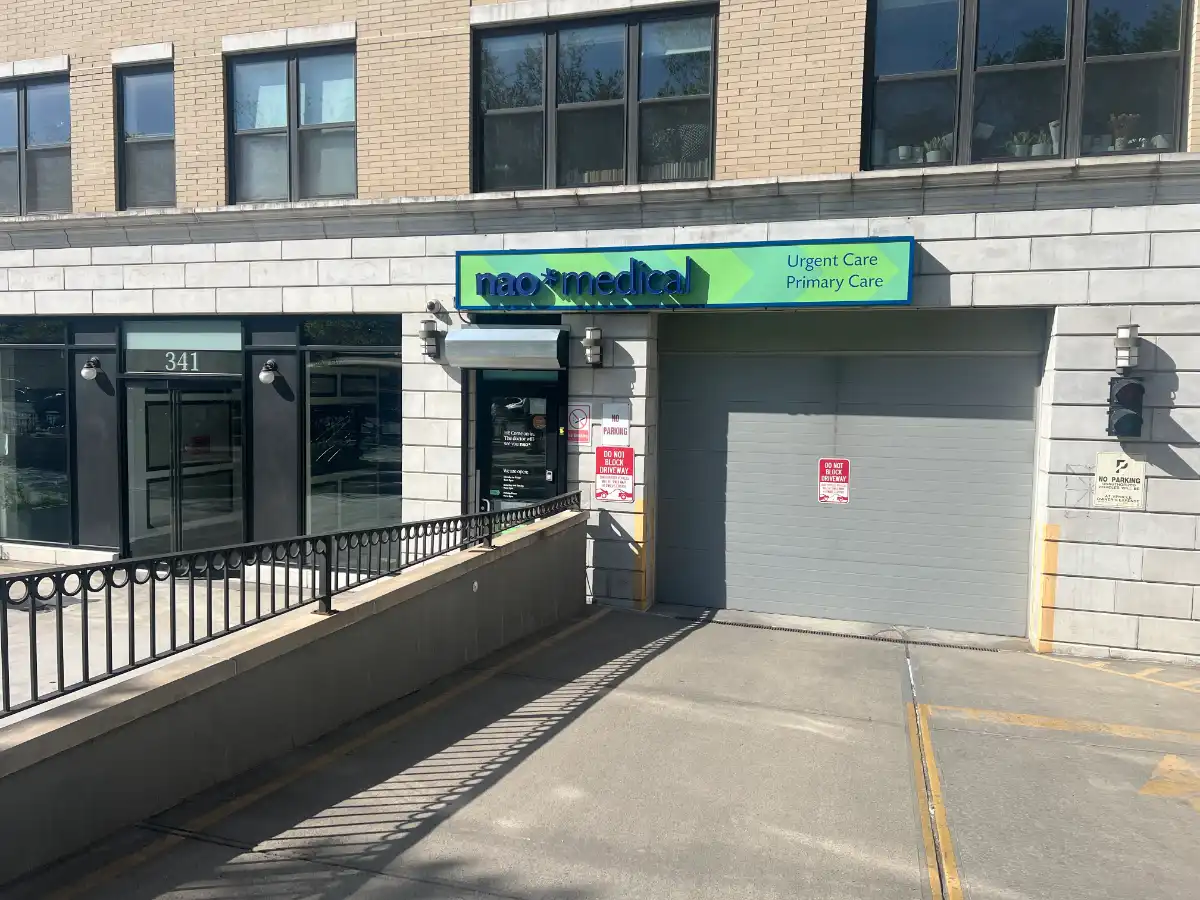
Brooklyn
341 Eastern Pkwy, Brooklyn, NY 11216
A central Brooklyn location for local addiction medicine access, maintenance visits, and realistic follow-up planning.
View local Suboxone care Get directions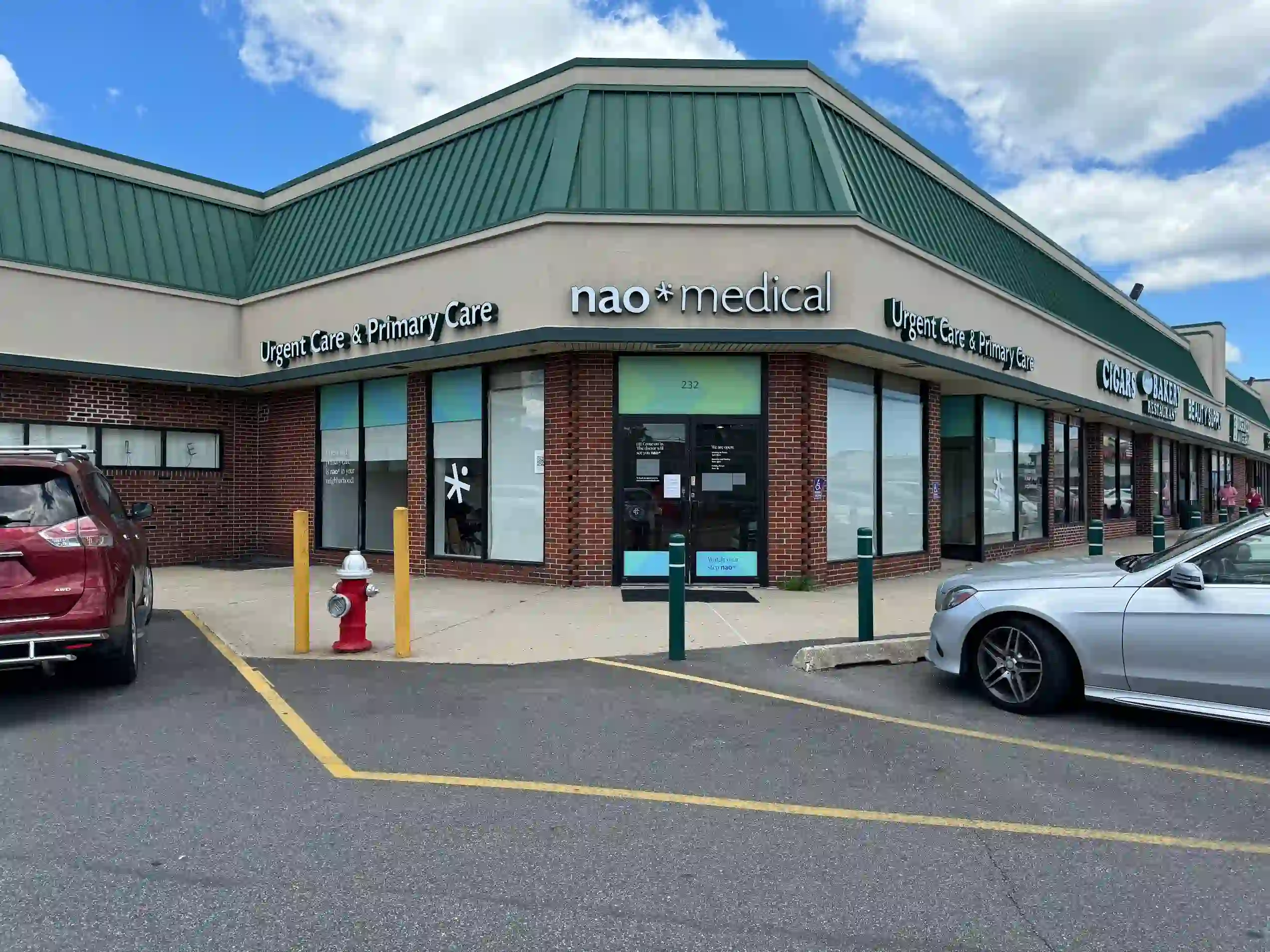
Long Island
232 W Old Country Rd, Hicksville, NY 11801
A Long Island location for Suboxone treatment, medication-assisted recovery follow-up, and ongoing addiction medicine support.
View local Suboxone care Get directions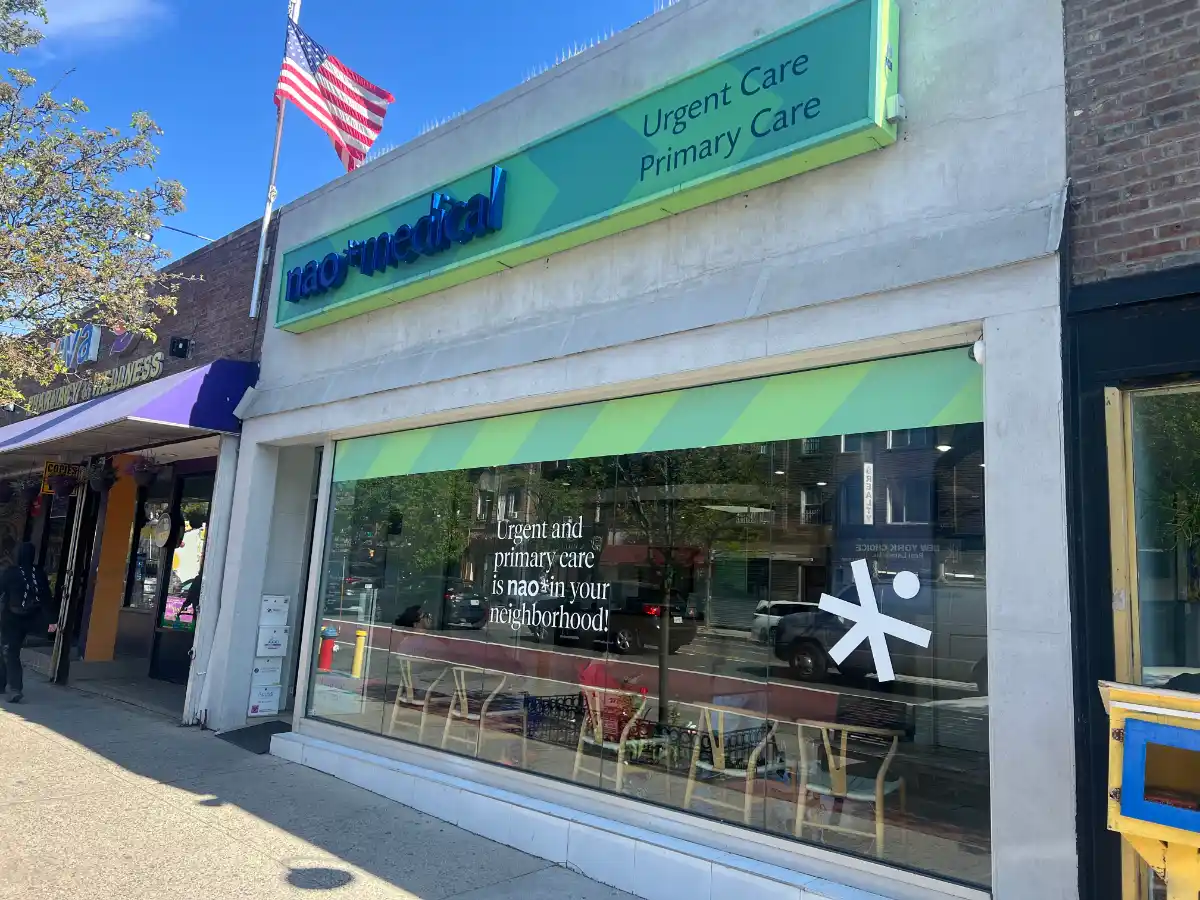
Queens
80-10 Northern Blvd, Jackson Heights, NY 11372
A central Queens clinic for local Suboxone follow-up, recovery planning, and practical addiction medicine access.
View local Suboxone care Get directions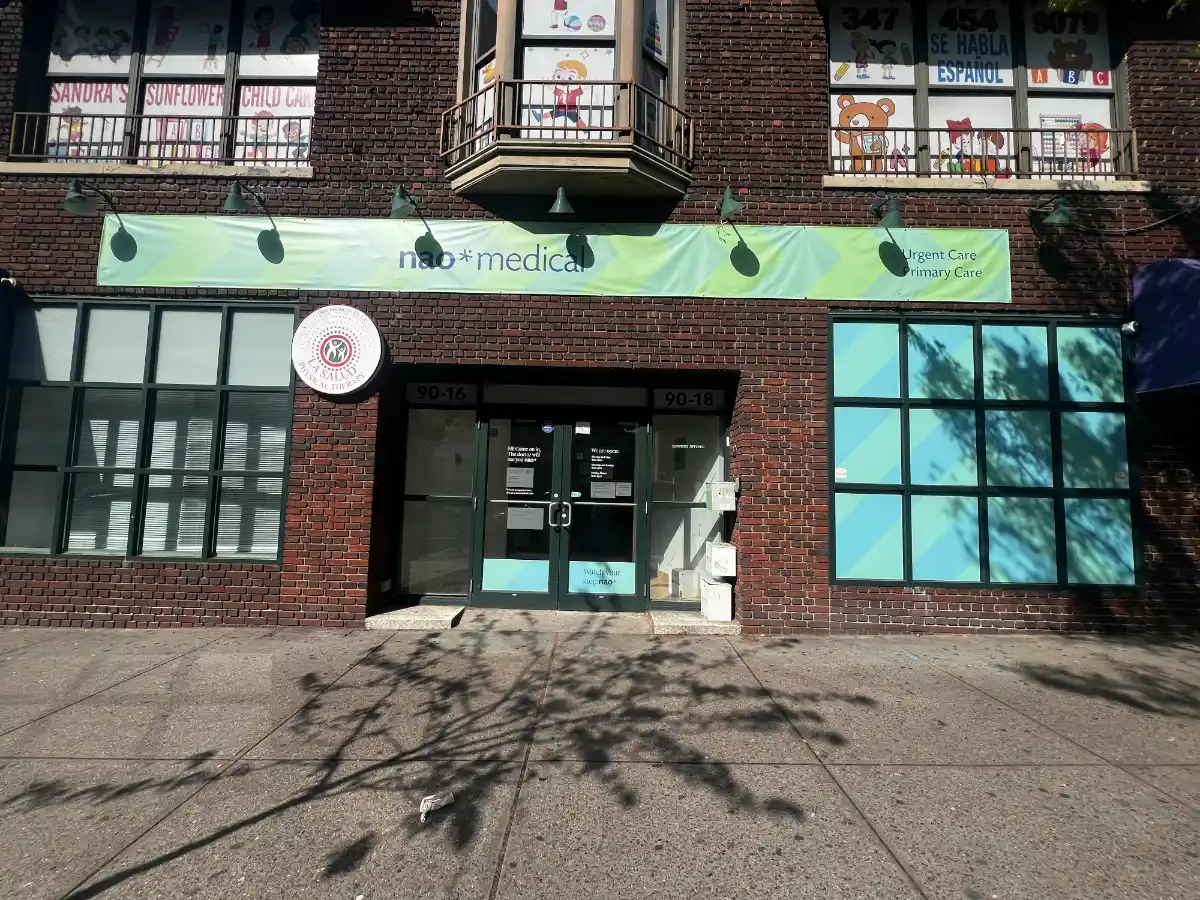
Queens
90-18 Sutphin Blvd, Jamaica, NY 11435
A southeast Queens location for addiction medicine visits, Suboxone maintenance, and clear follow-up support.
View local Suboxone care Get directions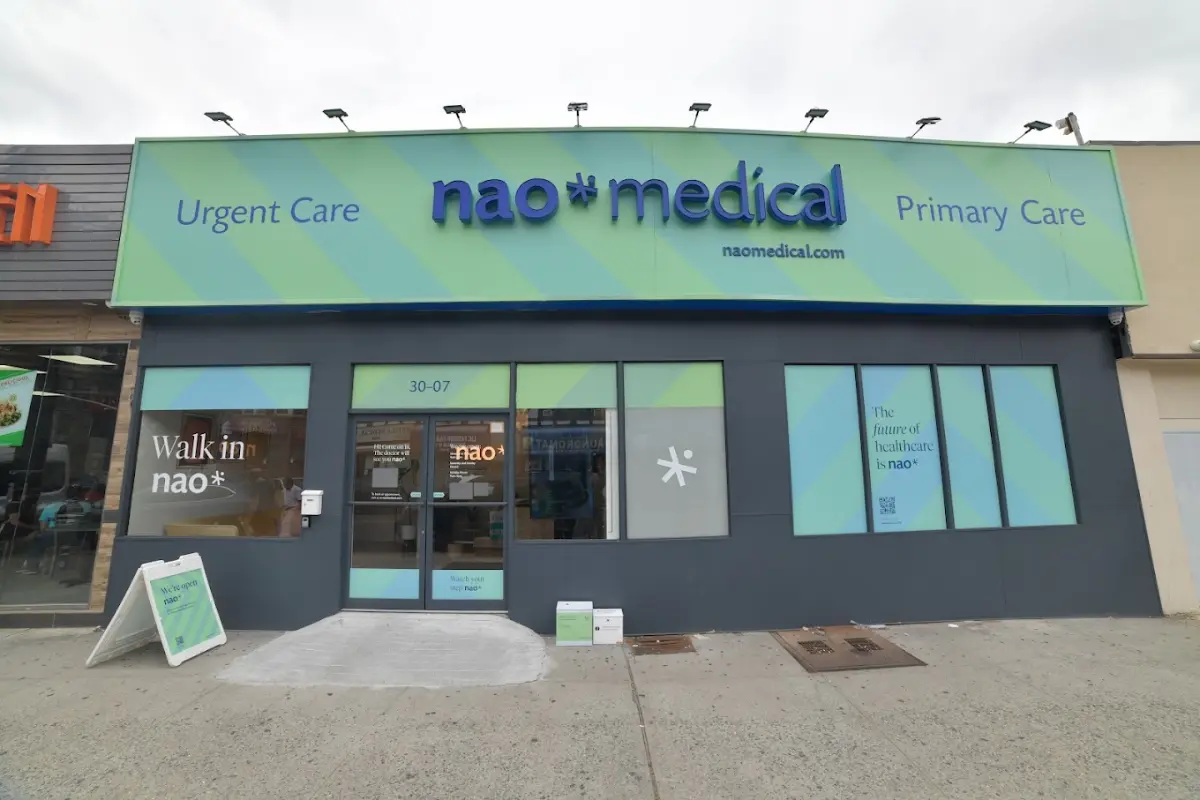
Queens
30-07 36th Ave, Astoria, NY 11106
A workday-friendly Queens location for local buprenorphine follow-up and practical addiction medicine care.
View local Suboxone care Get directions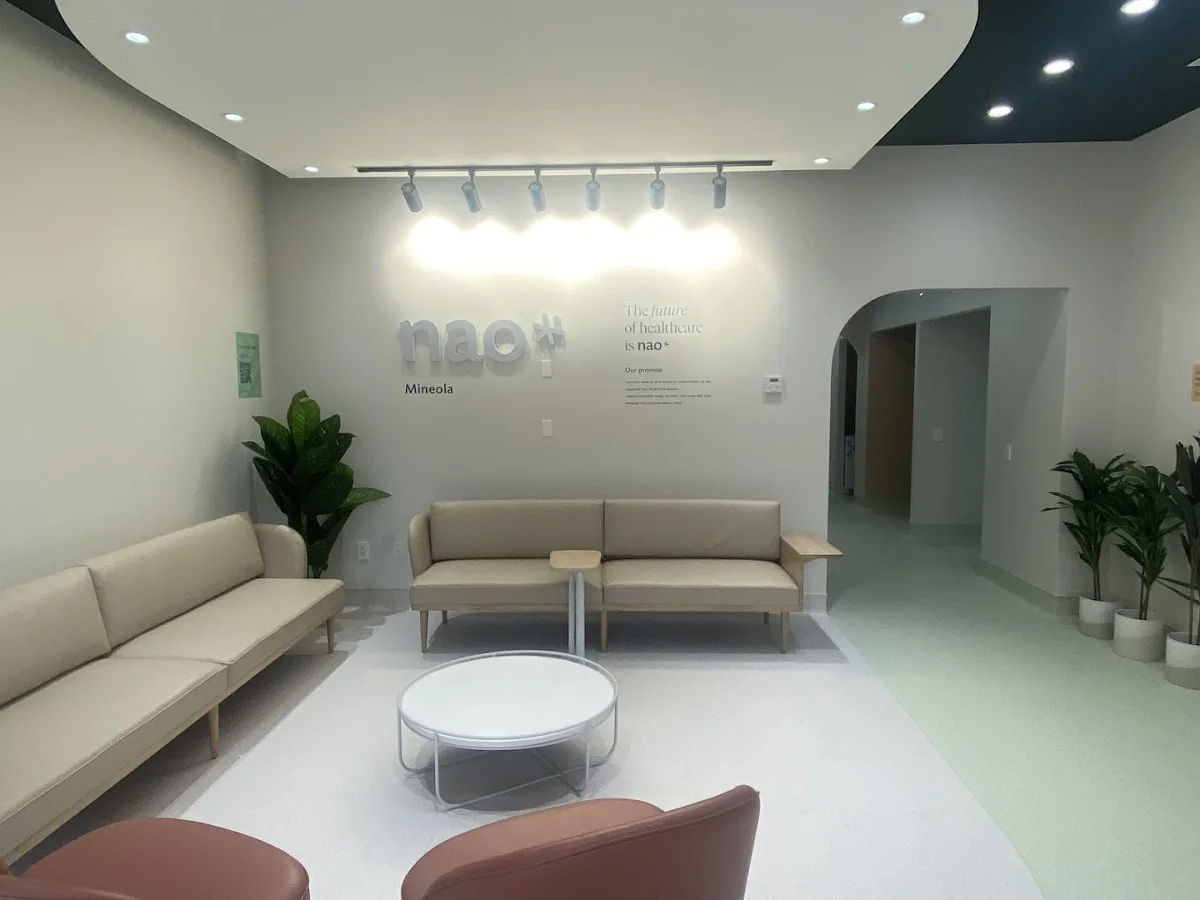
Long Island
135 Mineola Blvd, Mineola, NY 11501
A core Long Island location for Suboxone visits, recovery follow-up, and reliable addiction medicine access.
View local Suboxone care Get directions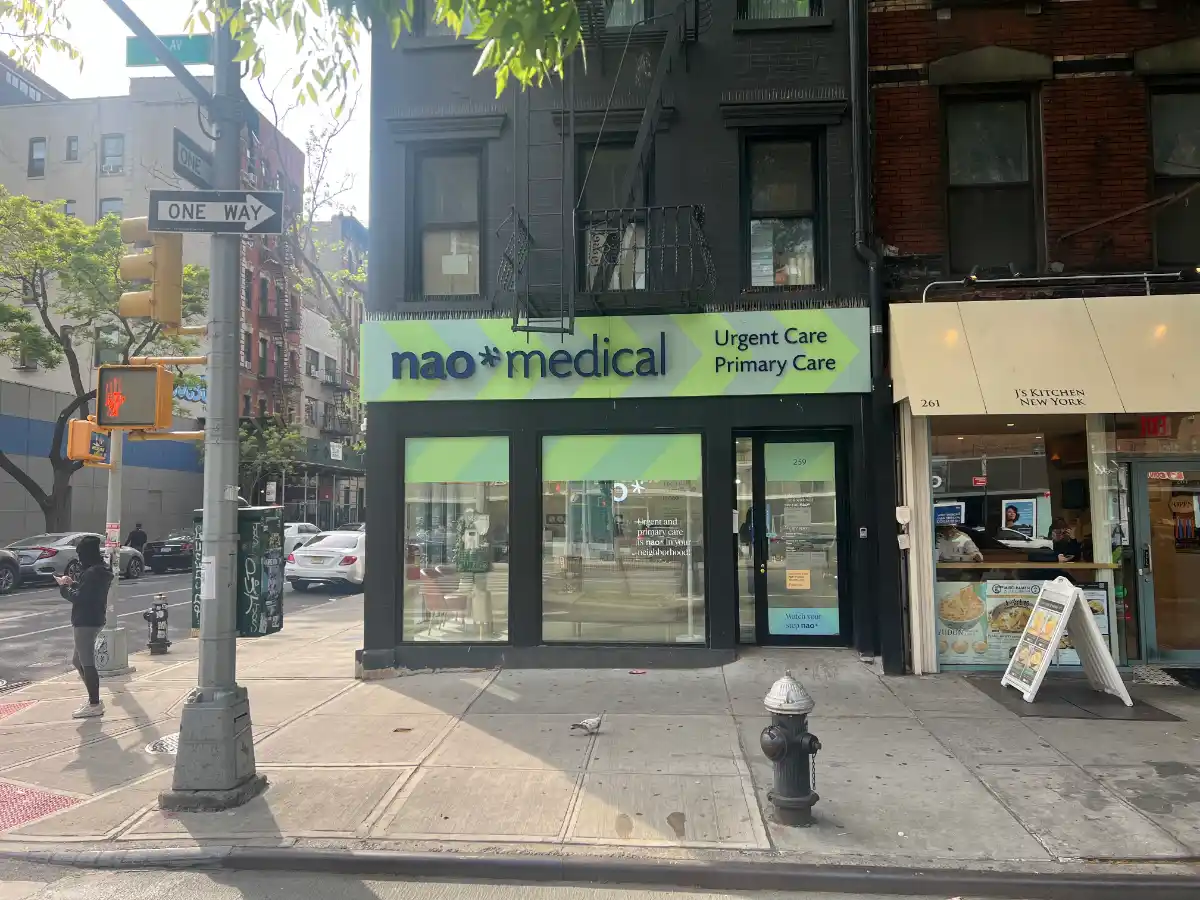
Manhattan
259 1st Ave, New York, NY 10003
A Manhattan location for structured Suboxone follow-up, recovery planning, and convenient addiction medicine care.
View local Suboxone care Get directions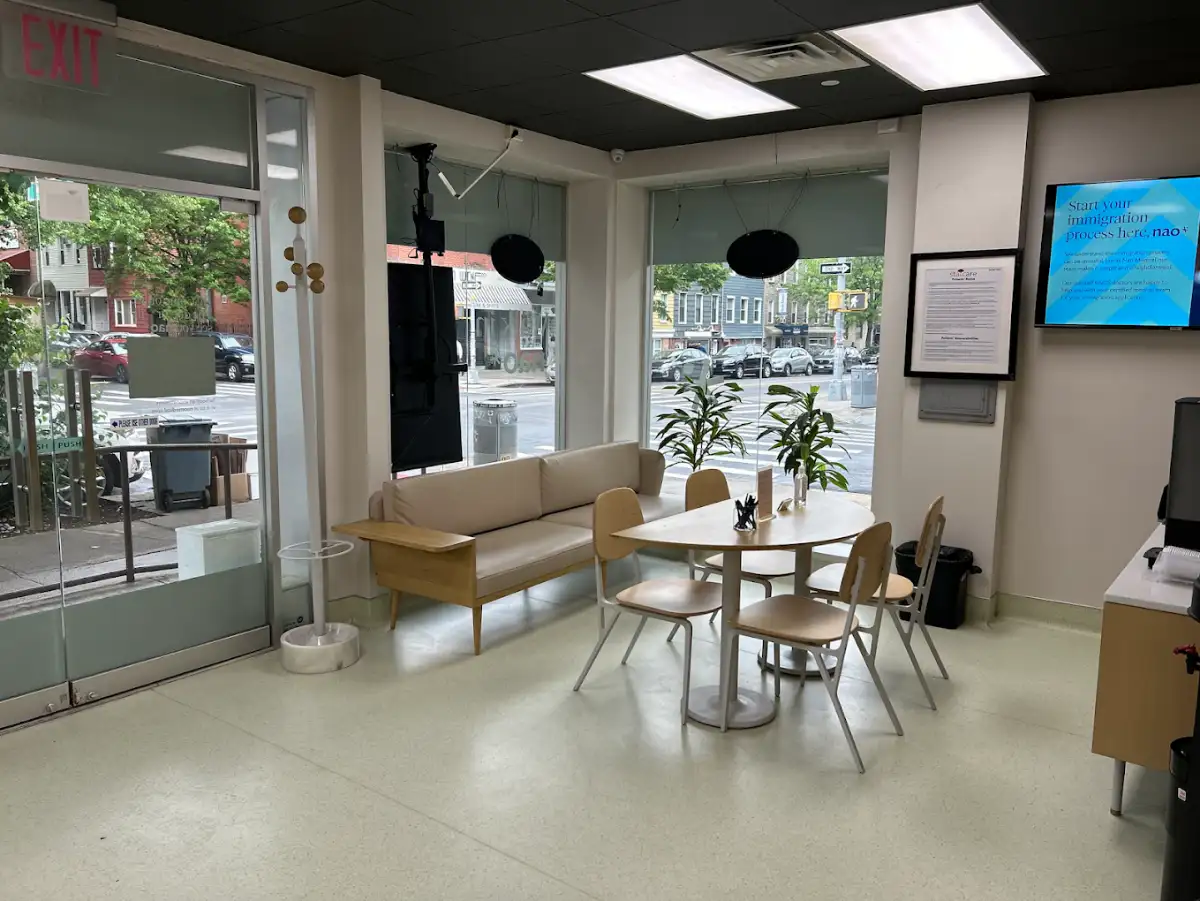
Brooklyn
308 Graham Ave, Brooklyn, NY 11211
A Brooklyn location for local addiction medicine follow-up, maintenance visits, and practical recovery support.
View local Suboxone care Get directions
Arrange an evaluation to discuss suitable care, preparation and follow-up with a clinician.
See Suboxone locationsNao Medical provides outpatient addiction care. The first visit can focus on the immediate clinical question and medication planning when relevant, or the care plan can include counseling, recovery support, and closer follow-up when that is wanted or clinically recommended. Related information: outpatient addiction care.
Patients who want more support can add counseling, relapse-prevention work, care coordination, and recovery follow-up through the outpatient addiction program.
Coverage depends on your exact plan, clinician, location and service. Check participation and expected charges with the clinic and your insurer before booking. Review addiction-treatment insurance support
Content was updated August 2, 2026 from the cited sources and Nao Medical's current service information. Medical guidance, prescribing information, medication availability, and insurance rules can change. A licensed clinician must confirm current information and determine each patient's eligibility, testing, treatment, administration setting, and follow-up. Call 911 for a medical emergency. Contact Nao Medical with a question or correction.