Court-ordered evaluation
Review assessment, testing, documentation, and treatment recommendations for court-related requirements.

Probation and parole requirements can involve treatment attendance, drug testing, medication questions, reporting instructions, and documentation. Bring the written instructions so the care team can confirm what can be handled.
Coverage depends on your exact plan, clinician, location and service. Check participation and expected charges with the clinic and your insurer before booking.


A substance-use evaluation reviews alcohol or drug use, health, functioning and treatment needs. It may be requested for your own care or by another organization. A court, DMV or employer request has a separate purpose and may require a specific approved evaluator, documents or reporting process. Confirm those requirements before paying for a general clinical visit.
An interview, screening tools, records and sometimes testing help the evaluator understand the clinical picture. A test alone does not diagnose a substance-use disorder or determine a legal outcome. The evaluation may recommend treatment, another assessment or a different level of care. It is not a guarantee of a “no treatment needed” letter, court acceptance or license restoration.
People can seek evaluation for concerns about use, a referral or a formal requirement. For New York impaired-driving assessment referrals, OASAS states that residents must choose an OASAS-approved provider. General addiction treatment certification and approval for a particular impaired-driving function should not be assumed equivalent. CASAC identifies a counseling credential; the specific evaluator and requested service still need verification.
Bring the actual order or referral, deadline and contact details of the requesting organization. Ask what kind of evaluator, format, report and testing are required. Court, DMV, probation and employer processes can differ. A previous report may not satisfy a new request, so confirm acceptance with the responsible organization.
Before scheduling a mandated evaluation, confirm that the specific provider can perform the requested function. Use the OASAS directory for the appropriate New York impaired-driving service and ask the requesting organization about its requirements. Confirm that the requesting organization accepts the specific evaluator and report.
Discuss substances, frequency, consequences, prior treatment, medical and mental-health history and current medicines. Bring records requested by the evaluator. If testing is part of the process, ask what it measures and how prescribed medicines or an uncertain result are reviewed. Do not try to manipulate the account or test to obtain a preferred recommendation.
Ask what the findings mean, whether treatment or another level of care is recommended and what the next steps are. Clarify who receives the report, what consent or legal authority applies and whether you can obtain a copy. Confirm submission and acceptance separately; an assessment appointment does not establish completion of the requesting organization’s process.
Bring identification requested for registration, the referral or order, relevant court or DMV documents and previous reports. Ask in advance about driving records, collateral information and testing rather than assuming a universal checklist. Include all prescriptions and treatment records. Clarify the anticipated number of visits, fees, report turnaround and whether a remote format is accepted.
An administrative deadline does not override emergency needs. Seek urgent medical care for overdose, severe withdrawal, seizures, chest symptoms or dangerous confusion. Tell the evaluator about recent intoxication or withdrawal because the assessment may need a safer setting or another time. Never stop alcohol, sedatives or prescribed OUD treatment abruptly to produce a desired report or test result.
If treatment is recommended, ask what kind, why and how progress will be reviewed. Keep clinical care separate from assumptions about legal compliance. Confirm the report recipient, submission date and any additional requirements with the requesting organization. If a report is delayed or disputed, ask for the specific missing step rather than assuming another ordinary clinic visit will resolve it.
Ask whether the service provides clinical assessment, counseling, impaired-driving evaluation or another formal report. Verify the actual evaluator and approval before booking. Confirm assessment, testing and report charges separately from ongoing treatment. Privacy protections depend on the program, consent and applicable exceptions; ask which records may be shared and what requirements still apply.
Bring the exact court, probation, DMV or employer instruction and deadline. An ordinary outpatient treatment visit, CASAC counseling, an OASAS-certified program, an impaired-driver assessment and a DOT SAP return-to-duty process are different services. Verify the named evaluator, designation, required report and receiving agency’s acceptance before booking. Clinical treatment or an attendance/fitness letter does not itself clear a legal or safety-sensitive requirement.
Have your insurance card ready when booking. Share member details through the clinic’s confirmed secure intake process. Check with the clinic and your insurer that the exact plan covers the clinician and requested service. Ask about visit charges, any separately billed tests or medicines, and any referral or authorization requirement. Coverage and your copay or deductible depend on the plan; request a written estimate if paying yourself.
Do not assume that it will. The purposes, requesting organizations and requirements can differ. Ask each responsible organization whether the specific report and provider will be accepted before scheduling.
Review assessment, testing, documentation, and treatment recommendations for court-related requirements.
Drug court participation may involve treatment, accountability, testing, and reporting requirements.
Insurance and Medicaid coverage can affect treatment visits, testing, counseling, medication, and pharmacy access.
Suboxone, buprenorphine, Vivitrol review, Sublocade review, naloxone, and follow-up can be reviewed.
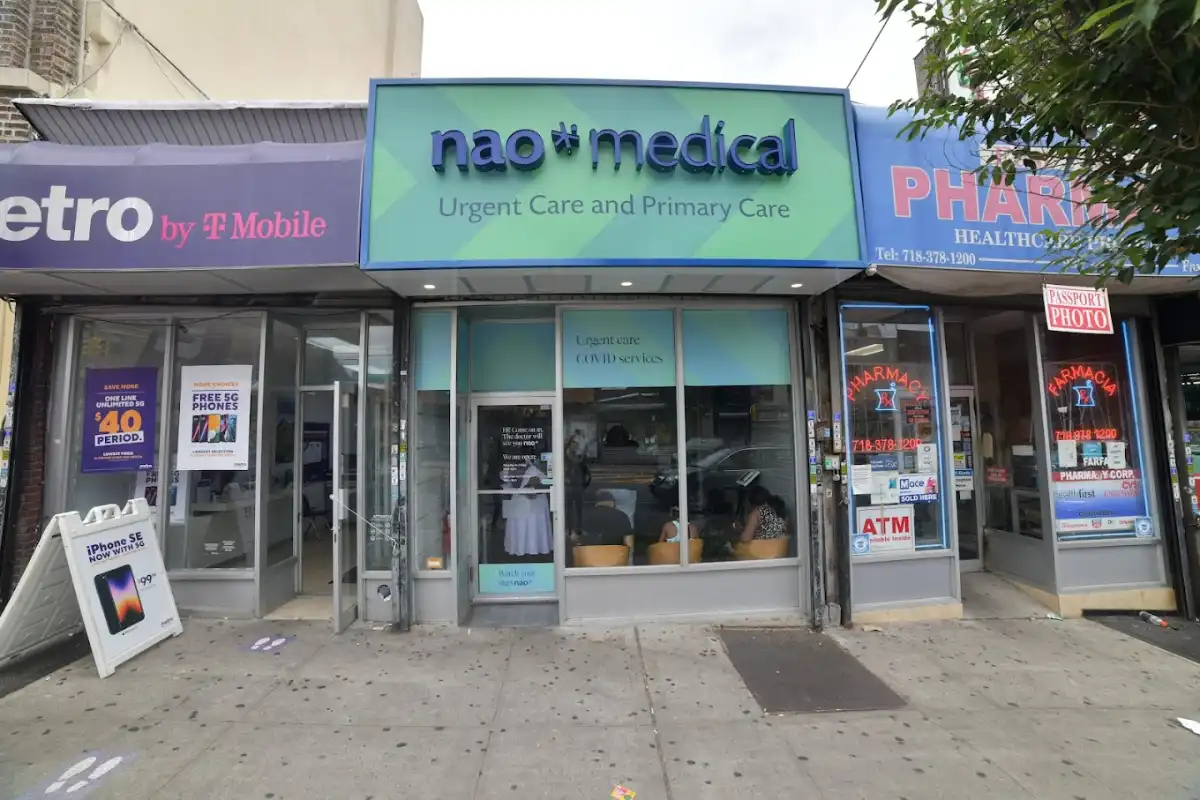
Bronx
932 E 174th St, Bronx, NY 10460
174th Street can help patients review addiction medicine options, insurance, counseling fit, medication needs, and local follow-up.
View addiction care details Get directions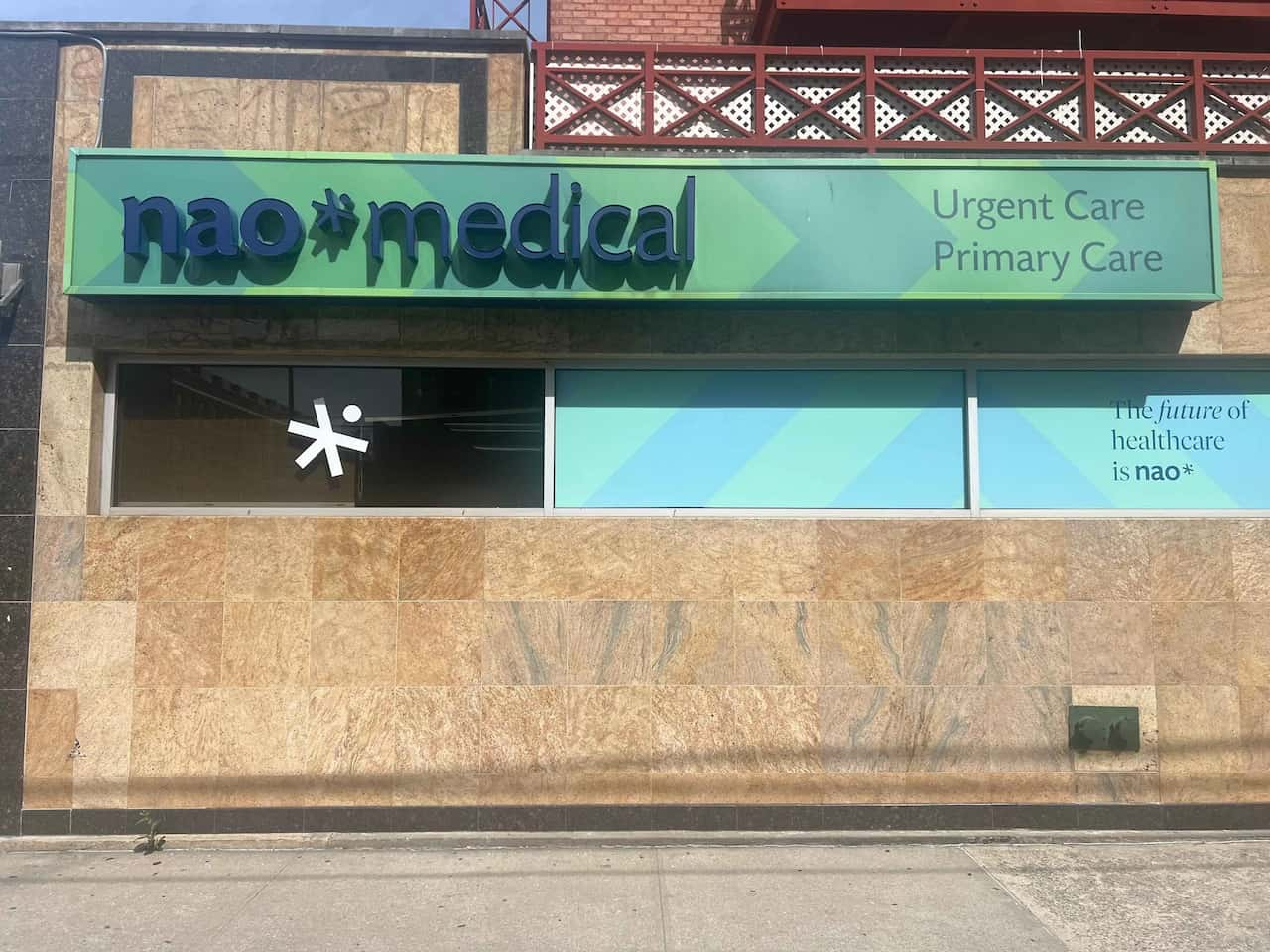
Queens
37-15 23rd Ave, Astoria, NY 11105
Astoria can help patients review addiction medicine options, insurance, counseling fit, medication needs, and local follow-up.
View addiction care details Get directions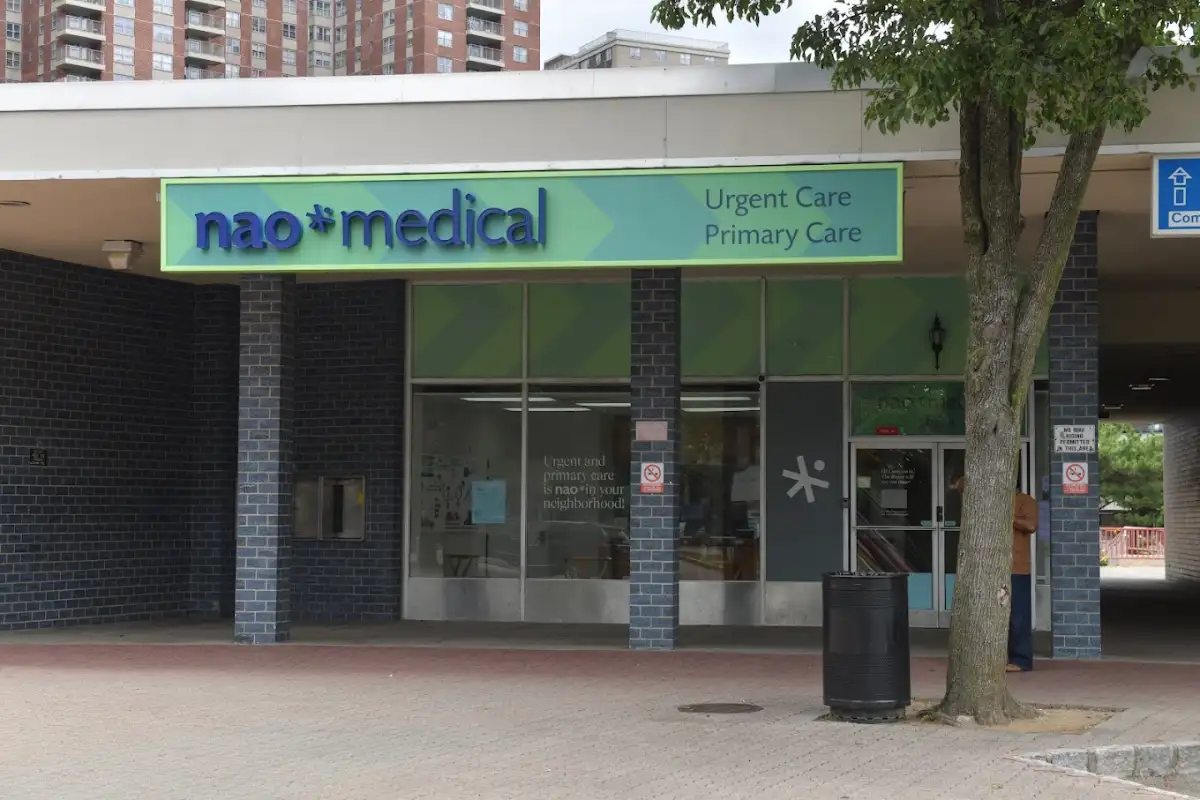
Bronx
2063A Bartow Ave, Bronx, NY 10475
Bartow Mall can help patients review addiction medicine options, insurance, counseling fit, medication needs, and local follow-up.
View addiction care details Get directions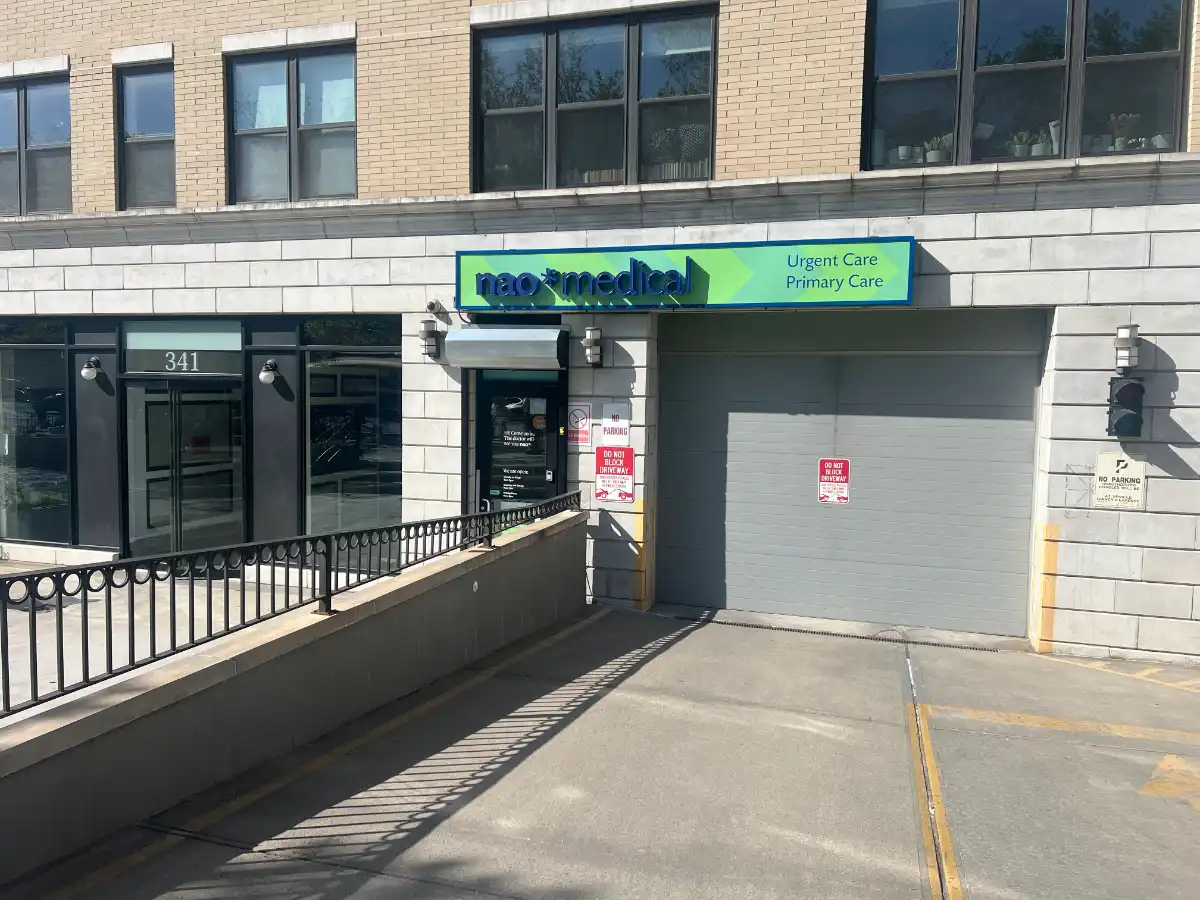
Brooklyn
341 Eastern Pkwy, Brooklyn, NY 11216
Crown Heights can help patients review addiction medicine options, insurance, counseling fit, medication needs, and local follow-up.
View addiction care details Get directions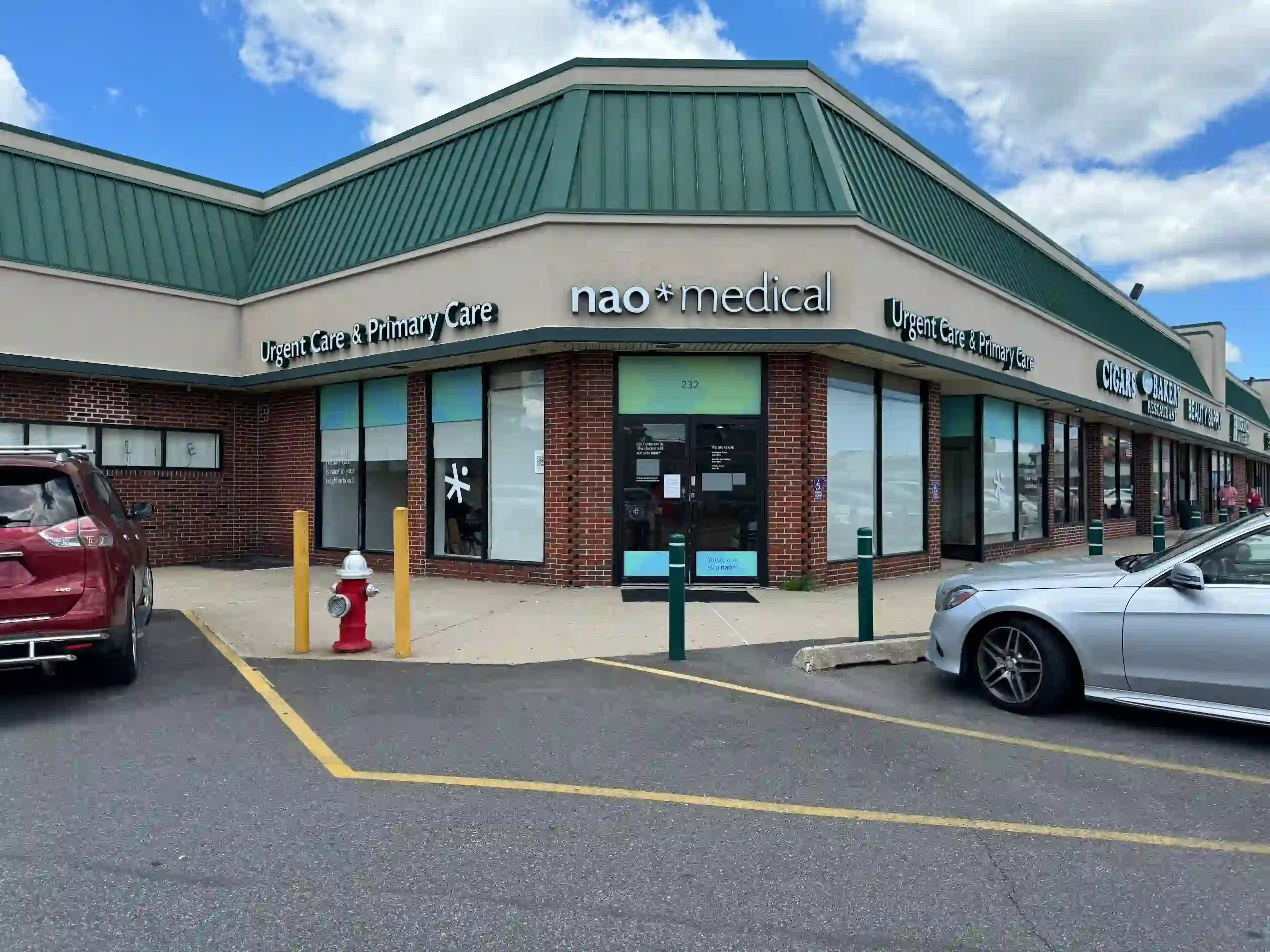
Long Island
232 W Old Country Rd, Hicksville, NY 11801
Hicksville can help patients review addiction medicine options, insurance, counseling fit, medication needs, and local follow-up.
View addiction care details Get directions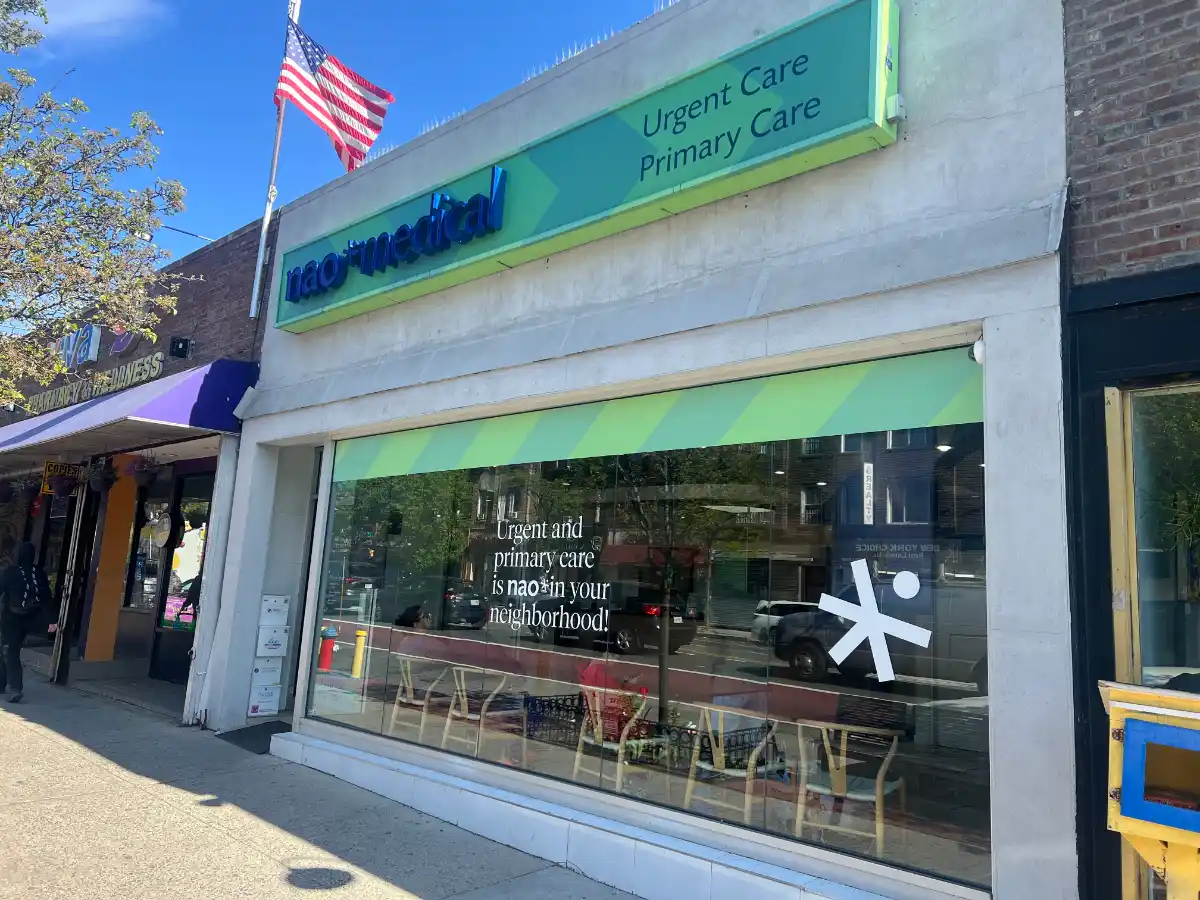
Queens
80-10 Northern Blvd, Jackson Heights, NY 11372
Jackson Heights can help patients review addiction medicine options, insurance, counseling fit, medication needs, and local follow-up.
View addiction care details Get directions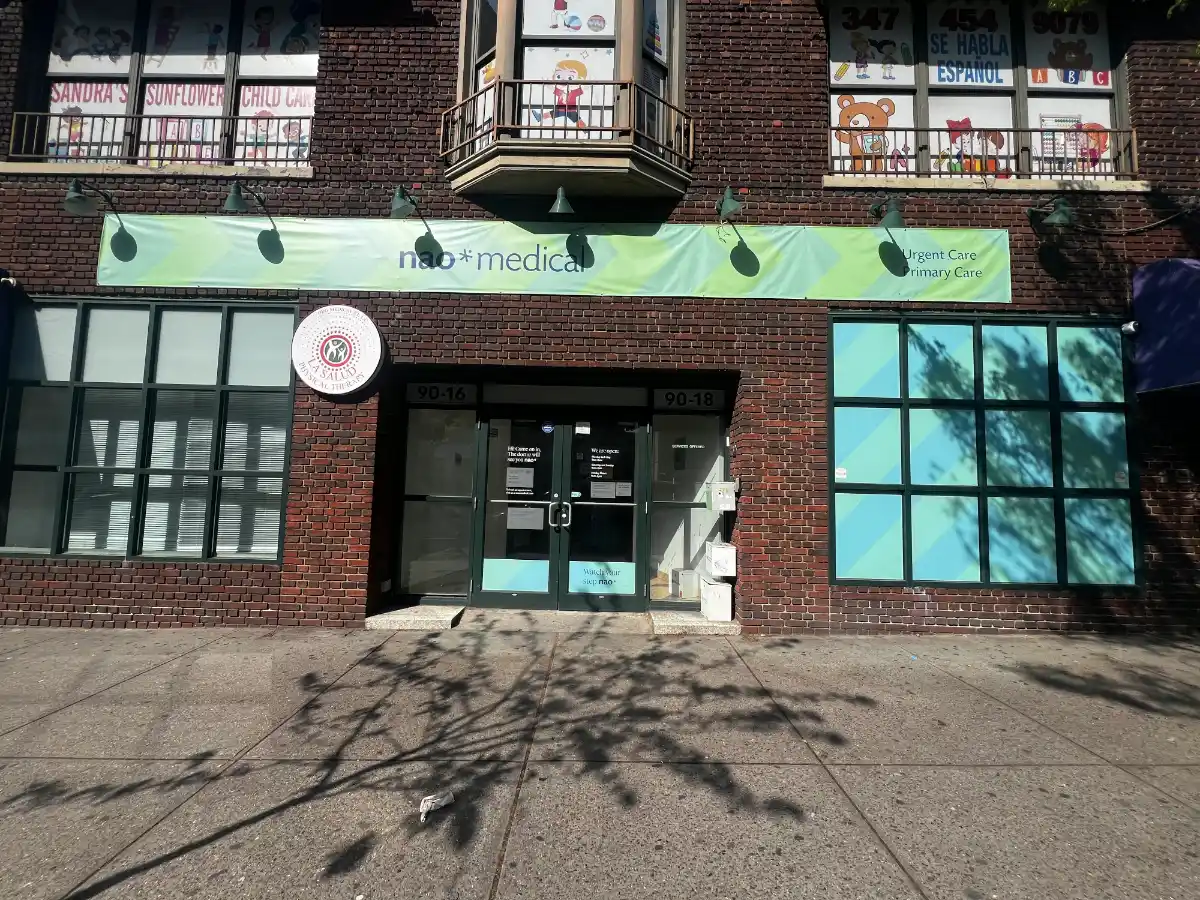
Queens
90-18 Sutphin Blvd, Jamaica, NY 11435
Jamaica can help patients review addiction medicine options, insurance, counseling fit, medication needs, and local follow-up.
View addiction care details Get directions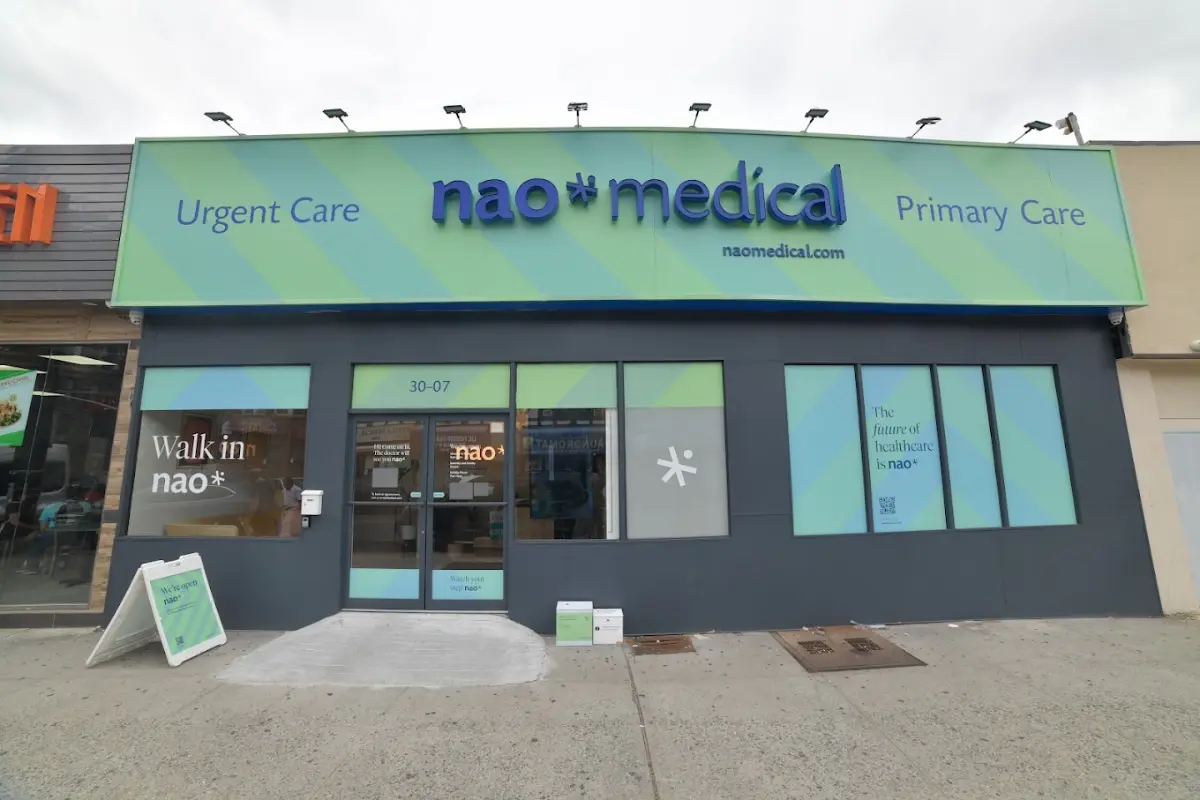
Queens
30-07 36th Ave, Astoria, NY 11106
Long Island City can help patients review addiction medicine options, insurance, counseling fit, medication needs, and local follow-up.
View addiction care details Get directions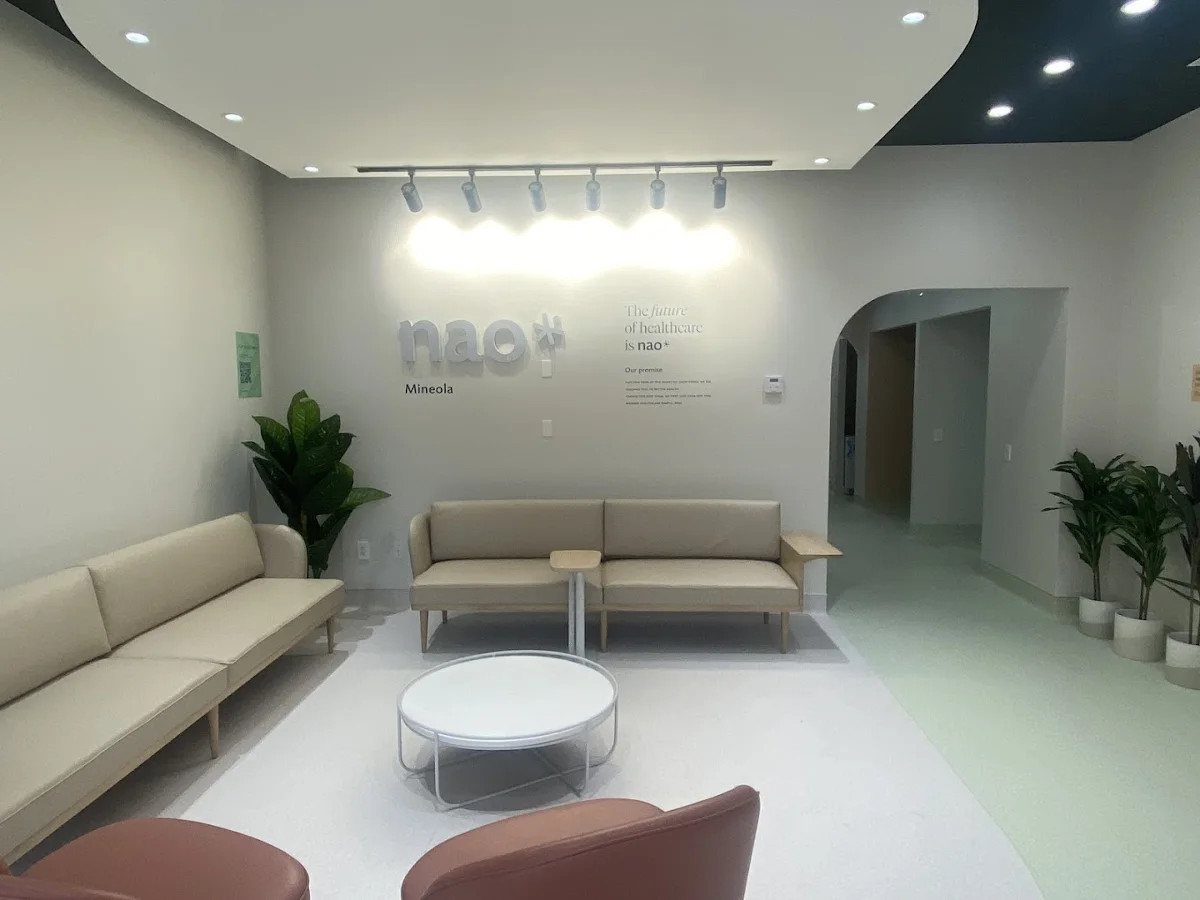
Long Island
135 Mineola Blvd, Mineola, NY 11501
Mineola can help patients review addiction medicine options, insurance, counseling fit, medication needs, and local follow-up.
View addiction care details Get directions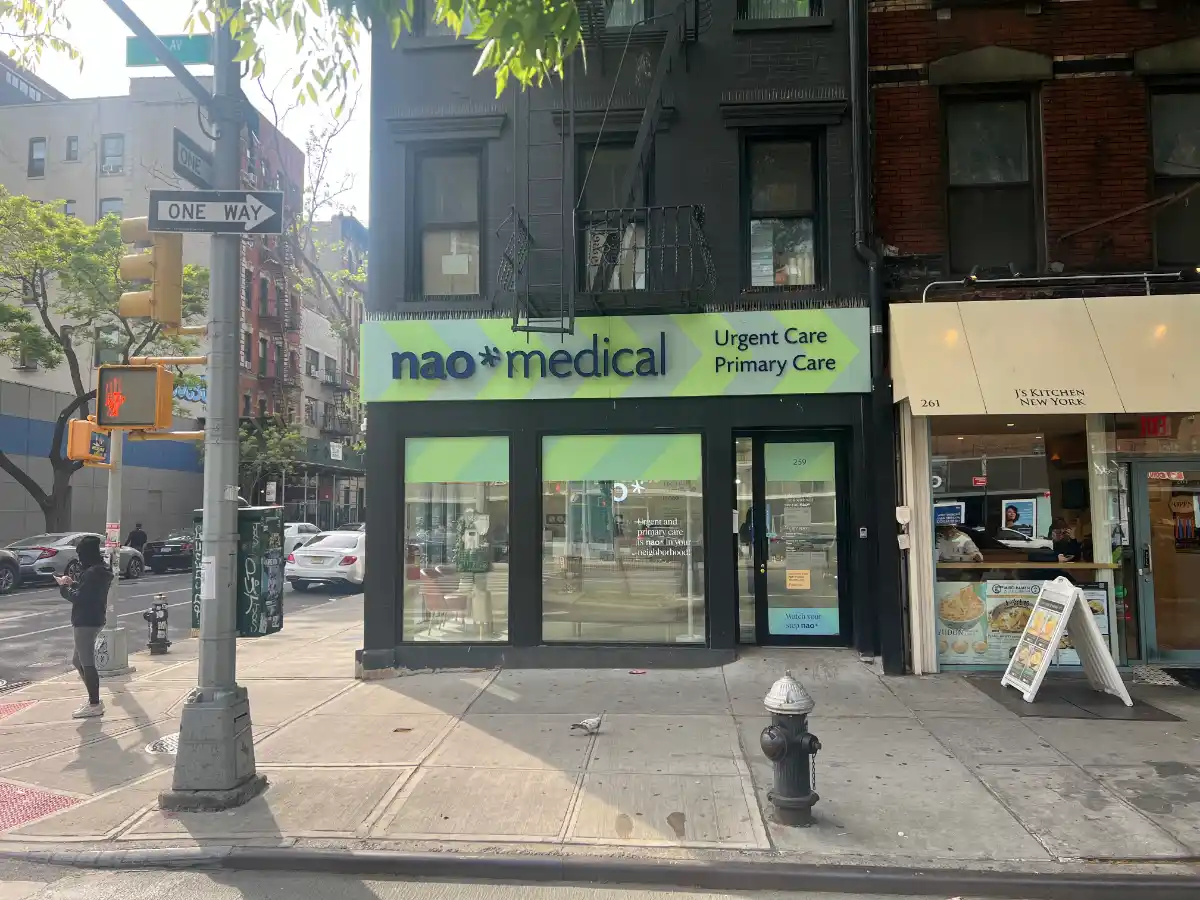
Manhattan
259 1st Ave, New York, NY 10003
StuyTown can help patients review addiction medicine options, insurance, counseling fit, medication needs, and local follow-up.
View addiction care details Get directions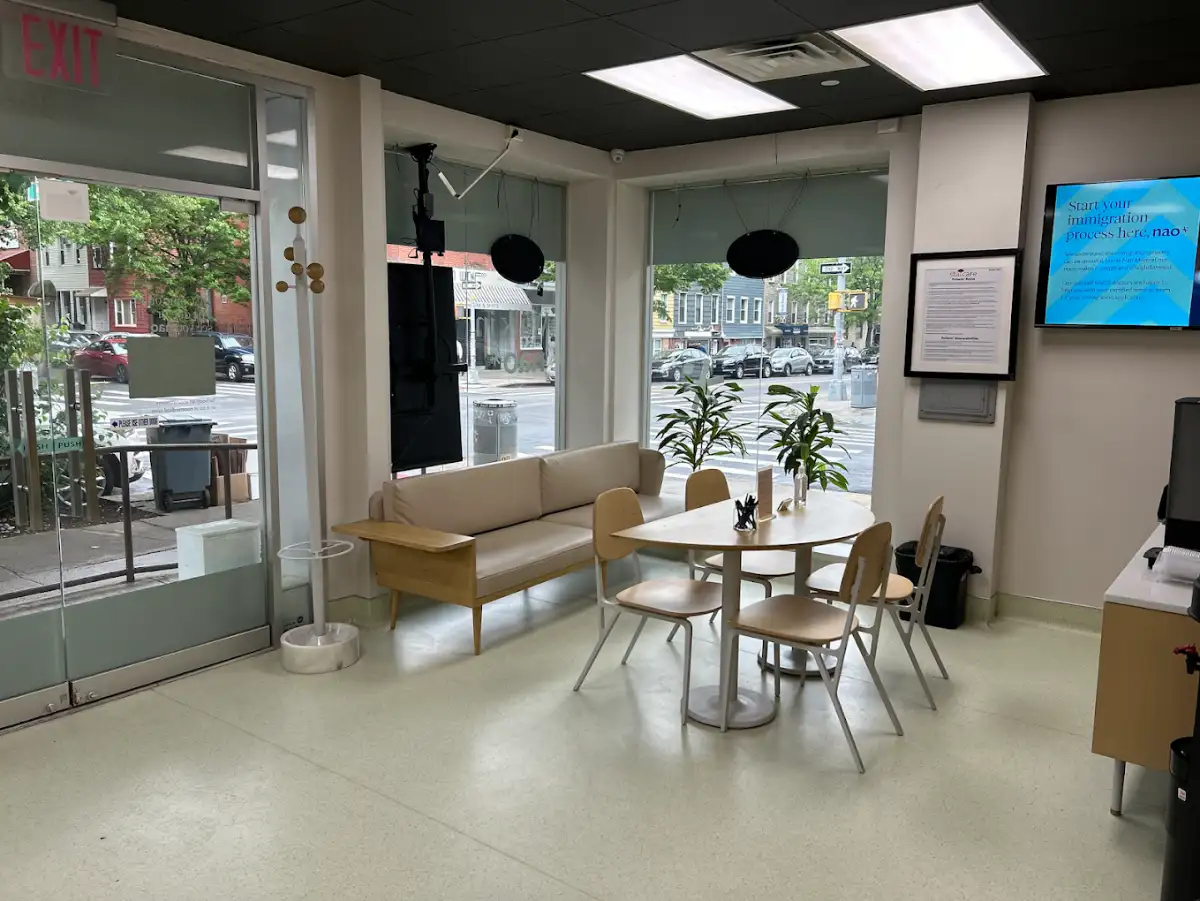
Brooklyn
308 Graham Ave, Brooklyn, NY 11211
Williamsburg can help patients review addiction medicine options, insurance, counseling fit, medication needs, and local follow-up.
View addiction care details Get directionsBook a substance abuse evaluation in NYC and Long Island with Nao Medical for addiction concerns, treatment recommendations, documentation, insurance, Medicaid, and follow-up.
Review OASAS substance abuse evaluation needs in NYC with Nao Medical, including certified care requirements, assessment, documentation, court needs, insurance, and Medicaid.
Book court-ordered substance abuse evaluation review in NYC with Nao Medical for court, attorney, probation, parole, treatment recommendation, testing, and documentation needs.
Review drug court addiction treatment in NYC with Nao Medical for substance-use evaluation, outpatient treatment, MAT, counseling, testing, documentation, insurance, and Medicaid.
Review DUI or DWI substance abuse evaluation needs in NYC with Nao Medical for alcohol or drug assessment, documentation, testing, treatment recommendations, and insurance.
Review EAP addiction treatment in NYC with Nao Medical for employer referrals, confidential assessment, outpatient care, drug testing, documentation, insurance, and return-to-work planning.
Review return-to-work addiction treatment in NYC with Nao Medical for employer requirements, EAP referrals, drug testing, documentation, outpatient care, and recovery follow-up.
Book after-detox addiction treatment in NYC with Nao Medical for outpatient follow-up, MAT, counseling, relapse prevention, medication continuity, insurance, and Medicaid.
Book after-rehab outpatient follow-up in NYC with Nao Medical for medication continuity, MAT, counseling, relapse prevention, drug testing, insurance, Medicaid, and local care.
Compare local outpatient addiction care access across NYC and Long Island.
Review outpatient addiction medicine when patients are comparing nearby rehab options.
Review scheduled outpatient addiction treatment, medication, counseling, testing, and follow-up.
Review urgent but non-emergency addiction medicine access and same-day limitations.
Review cost factors, insurance, Medicaid, medication, testing, and self-pay options.
Review privacy, self-pay, records release, employer, family, and third-party documentation questions.
Arrange an evaluation to discuss suitable care, preparation and follow-up with a clinician.
Nao Medical provides outpatient addiction care. The first visit can focus on the immediate clinical question and medication planning when relevant. When wanted or clinically recommended, the care plan can also include counseling, recovery support, and closer follow-up. Related information: outpatient addiction care.
Patients who want more support can add counseling, relapse-prevention work, care coordination, and recovery follow-up through the outpatient addiction program.
Coverage depends on your exact plan, clinician, location and service. Check participation and expected charges with the clinic and your insurer before booking. Review addiction-treatment insurance support
Content was updated August 2, 2026 from the cited sources and Nao Medical's current service information. Medical guidance, prescribing information, medication availability, and insurance rules can change. A licensed clinician must confirm current information and determine each patient's eligibility, testing, treatment, administration setting, and follow-up. Call 911 for a medical emergency. Contact Nao Medical with a question or correction.