Alcohol addiction treatment
Review alcohol-use care, medication options, withdrawal safety, counseling, and relapse prevention.

Alcohol treatment should start with withdrawal safety. Some patients can use outpatient follow-up, while others need detox or emergency care before medication or counseling can safely move forward.
Coverage depends on your exact plan, clinician, location and service. Check participation and expected charges with the clinic and your insurer before booking.


Alcohol use disorder treatment can begin with a discussion about drinking, health, control over use and what you want to change. Medication, behavioral treatment and recovery support may help. The first decision is whether reducing or stopping alcohol requires medically supervised withdrawal care. A relapse-prevention medicine does not make it safe to manage dangerous withdrawal at home.
The main approved medication options work differently. Naltrexone blocks opioid receptors and can help reduce heavy drinking or support an agreed alcohol goal; the injection has its own abstinence-before-start requirements. Acamprosate supports maintaining abstinence after alcohol has stopped and withdrawal has been addressed. Disulfiram creates a potentially serious reaction with alcohol and is chosen with informed consent for an abstinence-oriented plan. None prevents intoxication or alcohol poisoning.
The clinician assesses drinking frequency, amount, loss of control, consequences, current symptoms and previous attempts to stop. Prior seizures or delirium during withdrawal are especially important. Kidney and liver function, opioid exposure, pregnancy, psychiatric symptoms and daily medication routines can affect selection. Being able to work or maintain responsibilities does not rule out an alcohol-use problem.
Describe your last drink, usual pattern, previous withdrawal and any current shaking, sweating, nausea, confusion or hallucinations. The clinician decides whether outpatient treatment is suitable or whether more monitored care is needed. This decision should come before a plan to stop drinking suddenly.
Discuss whether your goal is abstinence, reducing harm or another clinically appropriate change. Review naltrexone’s opioid and liver precautions, acamprosate’s kidney requirements and daily tablet burden, and disulfiram’s alcohol-reaction and consent requirements. A medicine is chosen for safety and fit, not because it appears first on a list.
Behavioral treatment can address stress, sleep, relationships and situations linked to drinking. Mental-health and other substance-use treatment may need coordination. Decide which support you want and what is actually available, whether individual therapy, recovery support or another program.
Agree on how progress will be measured: drinking, urges, health, daily function and side effects. Clarify laboratory monitoring, refill or injection visits and whom to contact if drinking returns. A lapse is information for reassessment and does not make continued care pointless.
Bring a medication list, alcohol-use history, recent laboratory results and records of withdrawal or rehab care. Include opioid pain medicines, tramadol, methadone, buprenorphine and nonprescribed substances. If stopping alcohol has caused symptoms before, tell the team when arranging the evaluation. Do not arrive after an unsupervised detox solely to meet a medicine’s starting requirement.
Call 911 or seek emergency care for a seizure, severe confusion, hallucinations with worsening withdrawal, collapse or inability to remain safe. Alcohol mixed with opioids or sedatives can cause dangerous breathing problems. Relapse-prevention medicines have separate adverse-effect precautions and may not be suitable for everyone. Symptoms of liver injury, serious medication reactions or severe dehydration need prompt review.
Treatment review should cover actual drinking, cravings, sleep, mood, adherence and tolerability. If urges continue, check whether the medicine was taken, whether the selected treatment fits the goal and whether additional support is needed. Some people benefit from ongoing medication; duration should be based on benefit and preference rather than a promised cure date. Stopping or changing medicines needs a continuity plan.
Ask whether the service provides AUD evaluation, medication management, behavioral treatment and referrals for withdrawal care. Confirm the costs of visits, tests and medication separately. Injection coverage may differ from oral treatment. Ask for the actual outpatient care intensity and schedule, and whether withdrawal assessment or referral is part of the service.
Alcohol use disorder treatment can begin with a discussion about drinking, health, control over use and what you want to change. Medication, behavioral treatment and recovery support may help. The first decision is whether reducing or stopping alcohol requires medically supervised withdrawal care. A relapse-prevention medicine does not make it safe to manage dangerous withdrawal at home.
The clinician assesses drinking frequency, amount, loss of control, consequences, current symptoms and previous attempts to stop. Prior seizures or delirium during withdrawal are especially important. Kidney and liver function, opioid exposure, pregnancy, psychiatric symptoms and daily medication routines can affect selection. Being able to work or maintain responsibilities does not rule out an alcohol-use problem.
Describe your last drink, usual pattern, previous withdrawal and any current shaking, sweating, nausea, confusion or hallucinations. The clinician decides whether outpatient treatment is suitable or whether more monitored care is needed. This decision should come before a plan to stop drinking suddenly.
Discuss whether your goal is abstinence, reducing harm or another clinically appropriate change. Review naltrexone’s opioid and liver precautions, acamprosate’s kidney requirements and daily tablet burden, and disulfiram’s alcohol-reaction and consent requirements. A medicine is chosen for safety and fit, not because it appears first on a list.
Behavioral treatment can address stress, sleep, relationships and situations linked to drinking. Mental-health and other substance-use treatment may need coordination. Decide which support you want and what is actually available, whether individual therapy, recovery support or another program.
Agree on how progress will be measured: drinking, urges, health, daily function and side effects. Clarify laboratory monitoring, refill or injection visits and whom to contact if drinking returns. A lapse is information for reassessment and does not make continued care pointless.
Alcohol withdrawal can cause seizures, delirium and other life-threatening problems. The clinician assesses current symptoms, previous severe withdrawal, last use, other medicines and the support/monitoring available before selecting outpatient or hospital-level care. Confirm with addiction-care intake whether supervised withdrawal assessment and a monitored treatment setting can be arranged. An addiction appointment or craving medicine does not establish that capability. Call 911 for a seizure, severe confusion, collapse or breathing trouble during withdrawal. Other severe or worsening withdrawal symptoms need emergency department care now. Do not wait for a routine booking.
Vivitrol is a monthly injection of naltrexone. It is used for alcohol dependence in patients able to abstain before starting, and to prevent relapse to opioid dependence after detoxification. Those are different starting situations. The evaluation needs to establish which condition is being treated, whether withdrawal has been safely addressed and whether a month-long opioid blocker fits your health and pain-treatment needs.
Naltrexone blocks opioid receptors. For alcohol treatment, it can reduce alcohol-related reward and support a recovery plan. For opioid treatment, it blocks opioid effects. It does not relieve opioid withdrawal or treat dangerous alcohol withdrawal. Unlike buprenorphine, it is not an opioid agonist. It also does not protect someone who drinks from intoxication, impaired driving or alcohol poisoning.
For alcohol dependence, the first injection is for a patient who can abstain in an outpatient setting and is not actively drinking at administration. Every patient needs an opioid exposure review, even when alcohol is the reason for treatment. Pain medicines, tramadol, methadone, buprenorphine and opioid-containing cough or diarrhea remedies matter. Current opioid dependence, acute opioid withdrawal, a positive opioid urine screen or a failed naloxone challenge are label contraindications. Liver history and pregnancy require individual review.
Have your insurance card ready when booking. Share member details through the clinic’s confirmed secure intake process. Check with the clinic and your insurer that the exact plan covers the clinician and requested service. Ask about visit charges, any separately billed tests or medicines, and any referral or authorization requirement. Coverage and your copay or deductible depend on the plan; request a written estimate if paying yourself.
An injection does not guarantee elimination of urges. Discuss their timing, drinking, triggers and other symptoms. The clinician can review treatment fit and support without assuming that an extra or early injection is appropriate.
No. The answer depends on the diagnosis, severity, tests and the medicine. Naltrexone and disulfiram require careful liver review, while acamprosate has important kidney restrictions. Do not select or rule out a medicine from one general rule.
Review alcohol-use care, medication options, withdrawal safety, counseling, and relapse prevention.
Monthly injectable naltrexone may be reviewed for some alcohol-use disorder patients.
Follow-up can address cravings, triggers, sleep, stress, missed medication, and high-risk moments.
After-detox follow-up can help maintain medication continuity, counseling, and relapse-prevention planning.
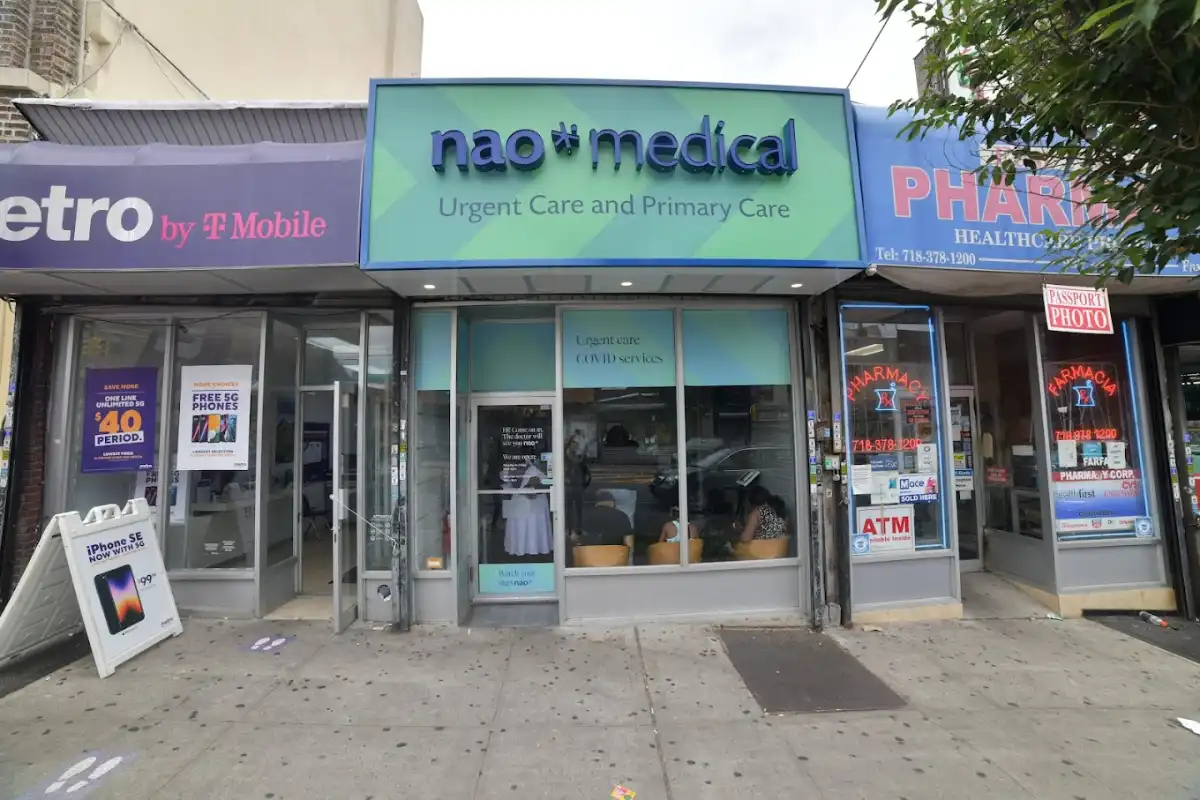
Bronx
932 E 174th St, Bronx, NY 10460
174th Street can help patients review addiction medicine options, insurance, counseling fit, medication needs, and local follow-up.
View addiction care details Get directions
Queens
37-15 23rd Ave, Astoria, NY 11105
Astoria can help patients review addiction medicine options, insurance, counseling fit, medication needs, and local follow-up.
View addiction care details Get directions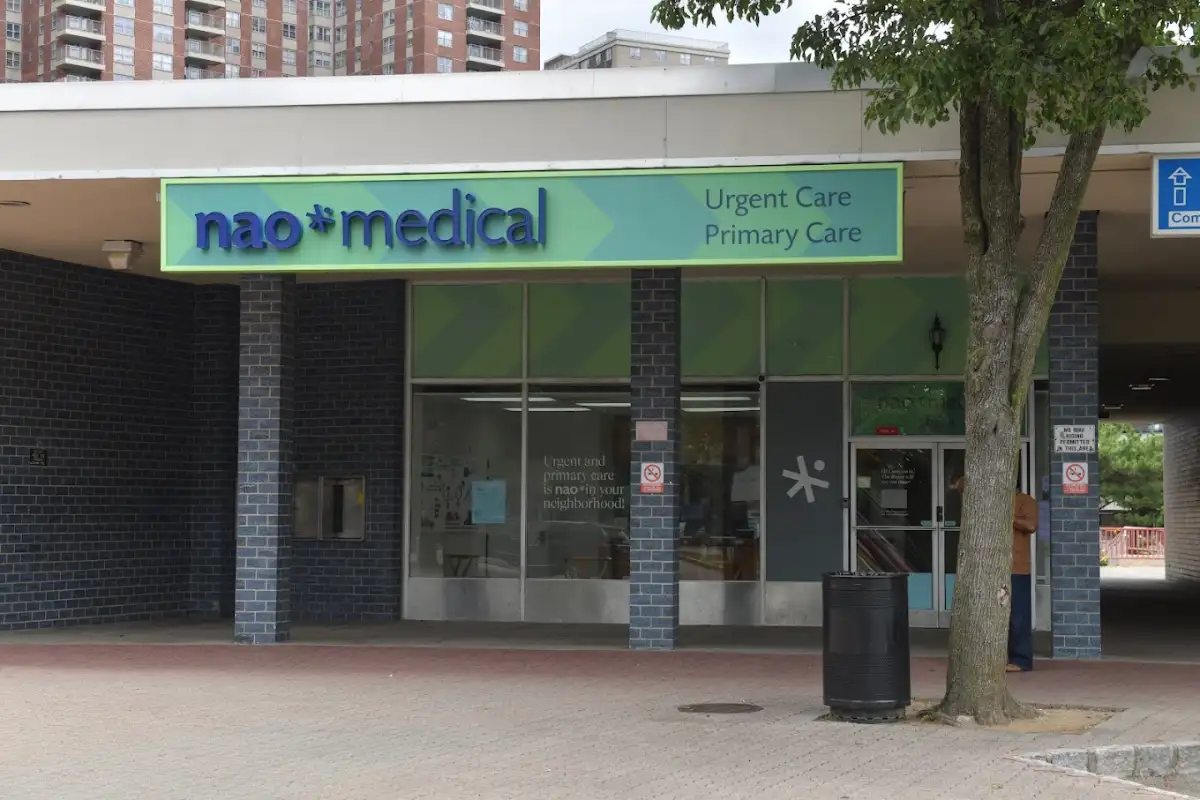
Bronx
2063A Bartow Ave, Bronx, NY 10475
Bartow Mall can help patients review addiction medicine options, insurance, counseling fit, medication needs, and local follow-up.
View addiction care details Get directions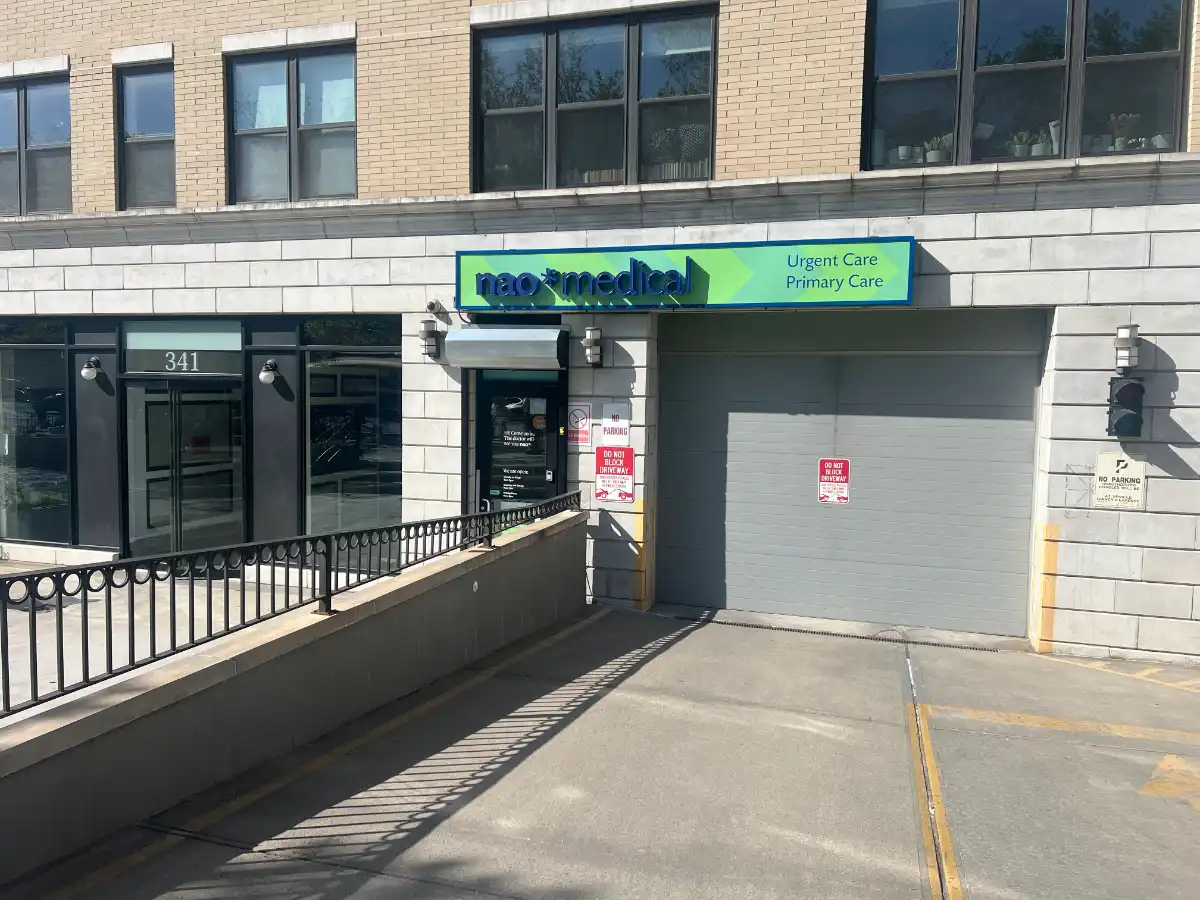
Brooklyn
341 Eastern Pkwy, Brooklyn, NY 11216
Crown Heights can help patients review addiction medicine options, insurance, counseling fit, medication needs, and local follow-up.
View addiction care details Get directions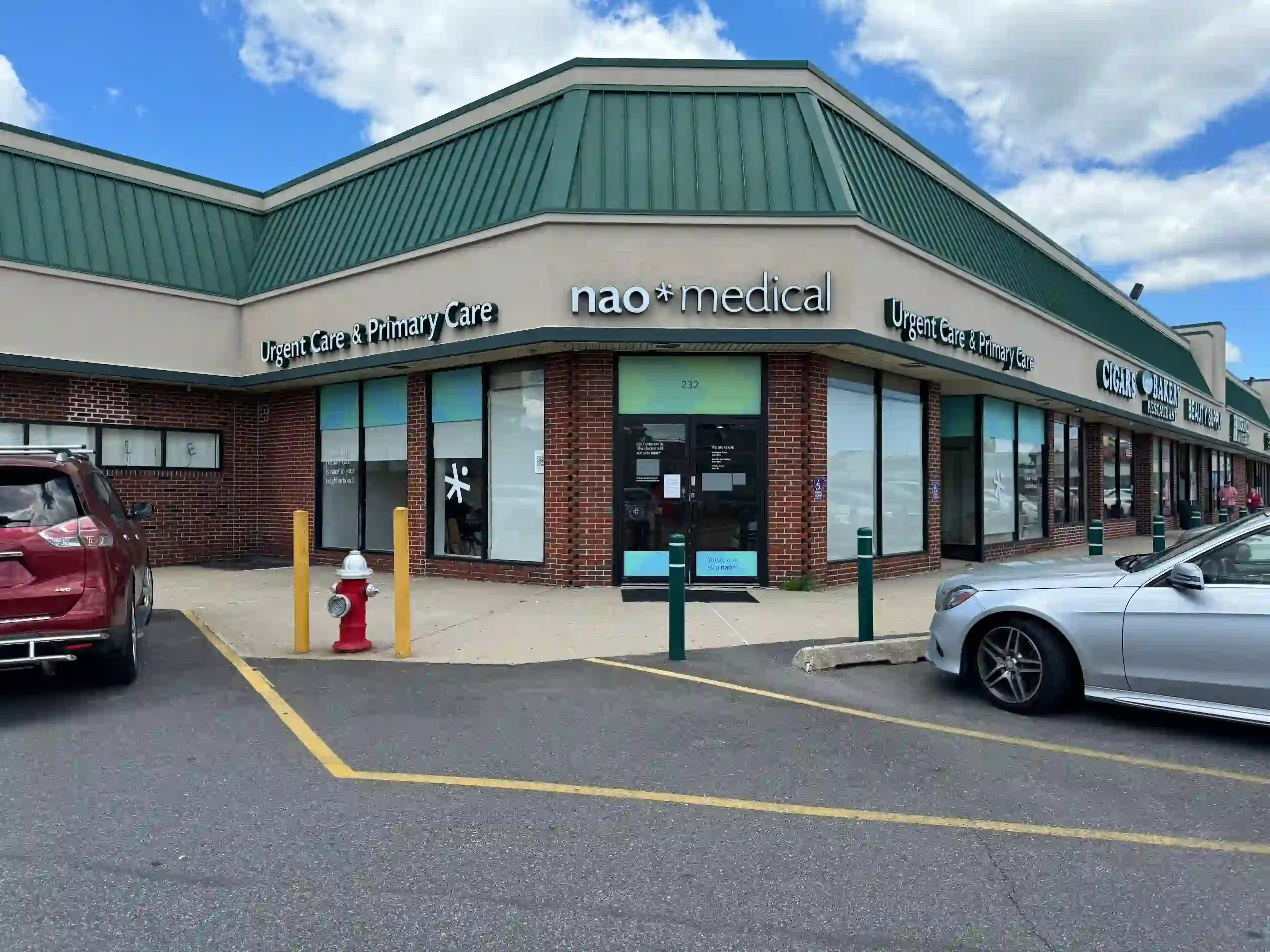
Long Island
232 W Old Country Rd, Hicksville, NY 11801
Hicksville can help patients review addiction medicine options, insurance, counseling fit, medication needs, and local follow-up.
View addiction care details Get directions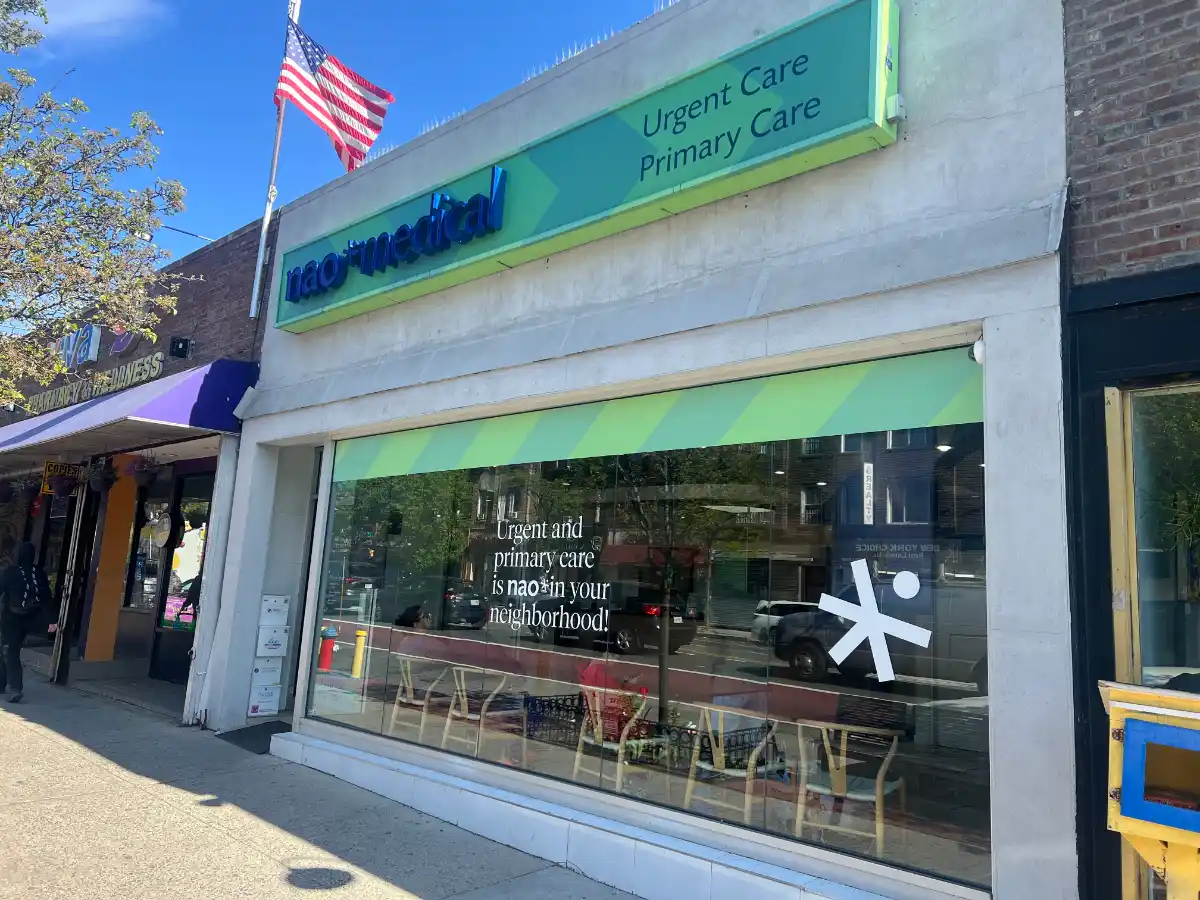
Queens
80-10 Northern Blvd, Jackson Heights, NY 11372
Jackson Heights can help patients review addiction medicine options, insurance, counseling fit, medication needs, and local follow-up.
View addiction care details Get directions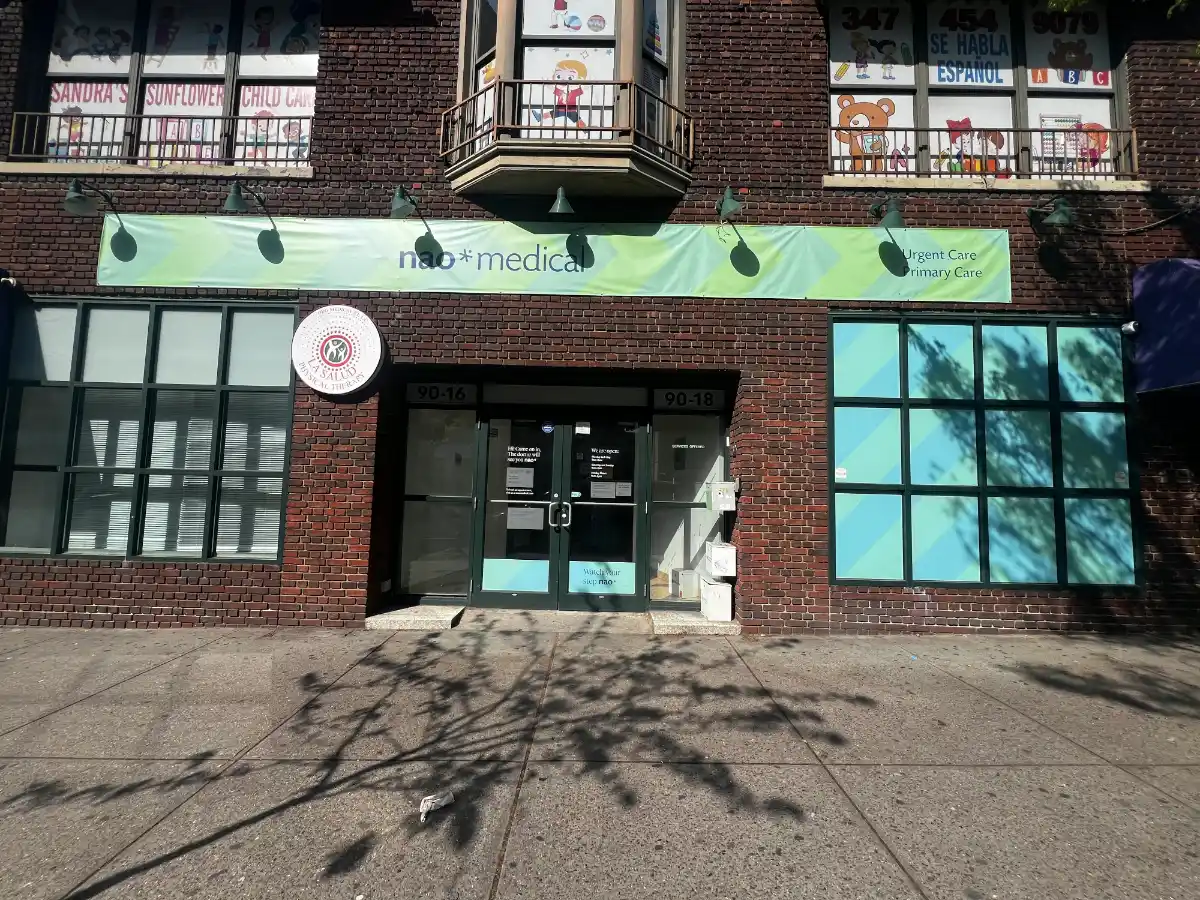
Queens
90-18 Sutphin Blvd, Jamaica, NY 11435
Jamaica can help patients review addiction medicine options, insurance, counseling fit, medication needs, and local follow-up.
View addiction care details Get directions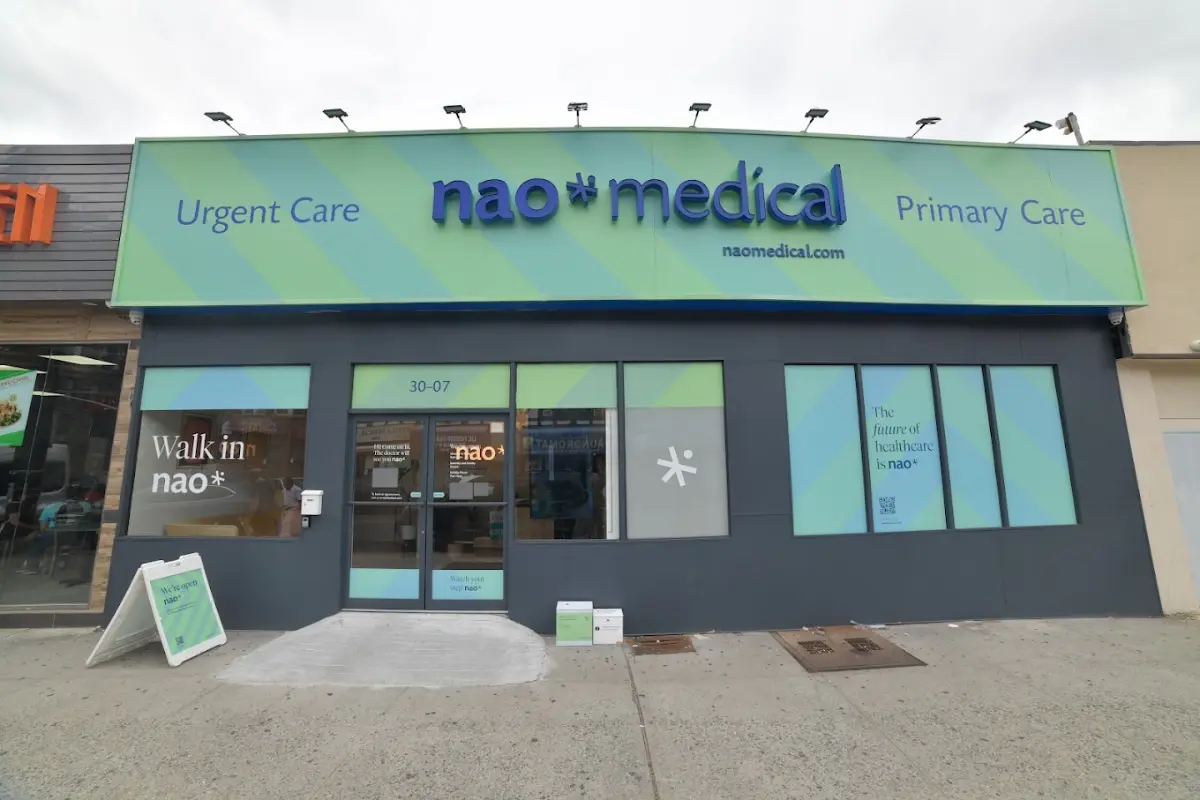
Queens
30-07 36th Ave, Astoria, NY 11106
Long Island City can help patients review addiction medicine options, insurance, counseling fit, medication needs, and local follow-up.
View addiction care details Get directions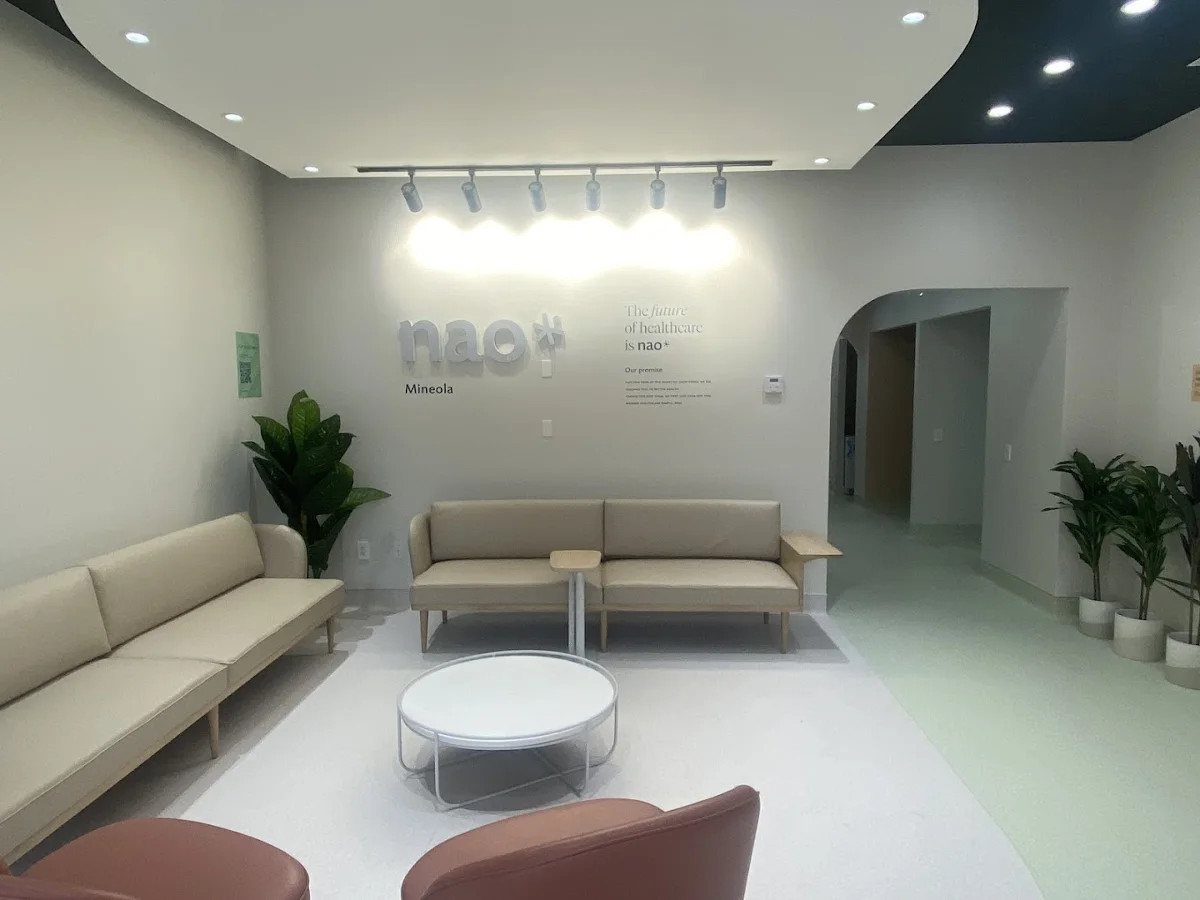
Long Island
135 Mineola Blvd, Mineola, NY 11501
Mineola can help patients review addiction medicine options, insurance, counseling fit, medication needs, and local follow-up.
View addiction care details Get directions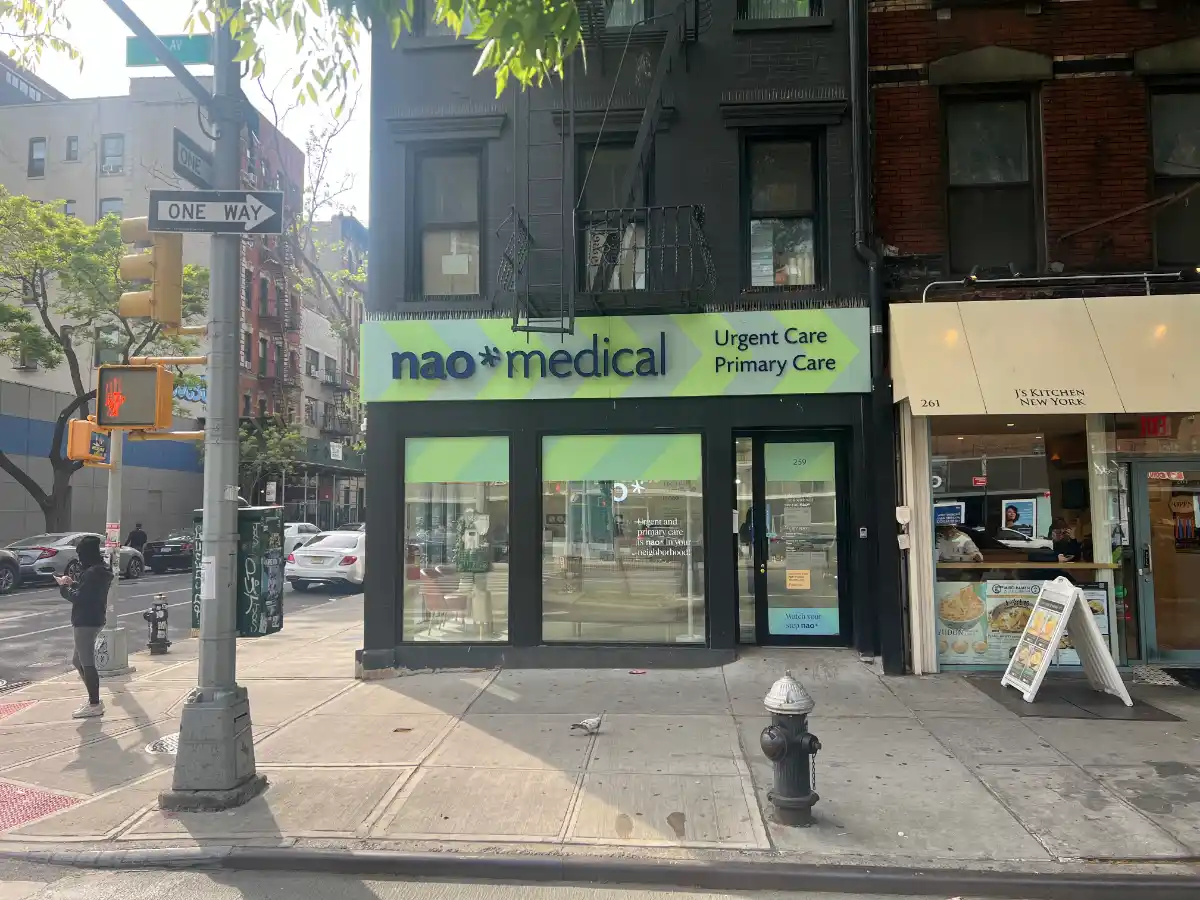
Manhattan
259 1st Ave, New York, NY 10003
StuyTown can help patients review addiction medicine options, insurance, counseling fit, medication needs, and local follow-up.
View addiction care details Get directions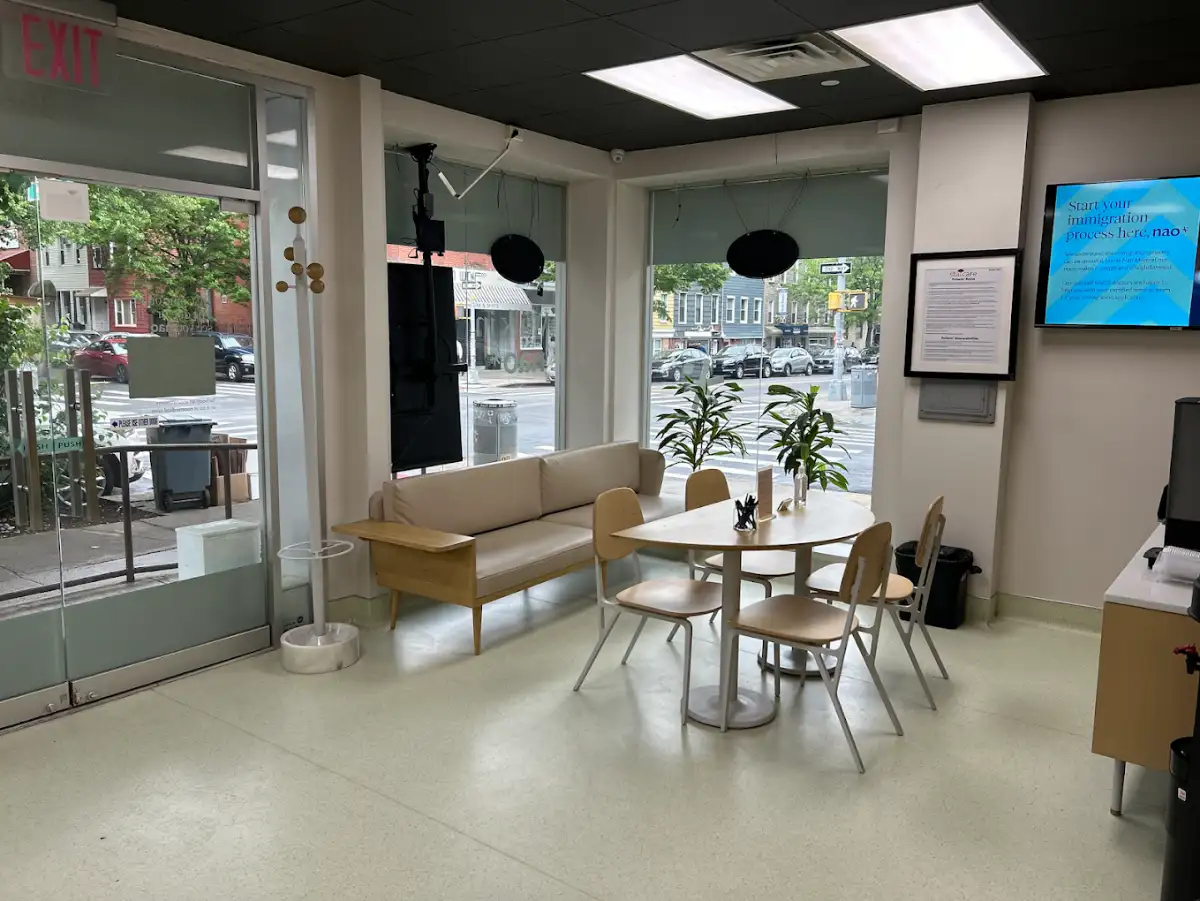
Brooklyn
308 Graham Ave, Brooklyn, NY 11211
Williamsburg can help patients review addiction medicine options, insurance, counseling fit, medication needs, and local follow-up.
View addiction care details Get directionsFind addiction treatment near you in NYC and Long Island with Nao Medical for outpatient care, MAT, counseling coordination, testing, Medicaid, insurance, and telemedicine.
Review drug rehab near me options in NYC with Nao Medical for outpatient addiction care, MAT, substance-use evaluation, counseling, drug testing, insurance, and Medicaid.
Book outpatient rehab review in NYC with Nao Medical for addiction treatment, MAT, counseling, relapse prevention, testing, insurance, Medicaid, and post-rehab follow-up.
Find outpatient drug rehab in NYC with Nao Medical for opioids, cocaine, cannabis, benzodiazepines, prescription medications, MAT, counseling, testing, and insurance.
Review walk-in addiction treatment access in NYC with Nao Medical for urgent but non-emergency addiction visits, same-day assessment, MAT, testing, counseling, and insurance.
Book same-day substance abuse evaluation review in NYC with Nao Medical for urgent assessment, court or employer documentation, drug testing, treatment recommendations, and insurance.
Find private addiction treatment in NYC with Nao Medical for outpatient care, MAT, counseling coordination, confidential visits, insurance, Medicaid, self-pay, and telemedicine.
Book confidential addiction treatment in NYC with Nao Medical for private outpatient care, MAT, counseling coordination, testing, records-release questions, insurance, and telemedicine.
Review addiction treatment cost in NYC with Nao Medical for outpatient visits, insurance, Medicaid, self-pay, drug testing, medication, pharmacy, injections, and follow-up.
Arrange an evaluation to discuss suitable care, preparation and follow-up with a clinician.
Nao Medical provides outpatient addiction care. The first visit can focus on the immediate clinical question and medication planning when relevant. When wanted or clinically recommended, the care plan can also include counseling, recovery support, and closer follow-up. Related information: outpatient addiction care.
Patients who want more support can add counseling, relapse-prevention work, care coordination, and recovery follow-up through the outpatient addiction program.
Coverage depends on your exact plan, clinician, location and service. Check participation and expected charges with the clinic and your insurer before booking. Review addiction-treatment insurance support
, relapse-prevention planning, and follow-up are available through Nao Medical's outpatient addiction care. Counseling
Compare alcohol-use-disorder medications, Vivitrol treatment, oral naltrexone, acamprosate, and disulfiram. Medication does not replace emergency care for dangerous alcohol withdrawal.
Content was updated August 2, 2026 from the cited sources and Nao Medical's current service information. Medical guidance, prescribing information, medication availability, and insurance rules can change. A licensed clinician must confirm current information and determine each patient's eligibility, testing, treatment, administration setting, and follow-up. Call 911 for a medical emergency. Contact Nao Medical with a question or correction.